
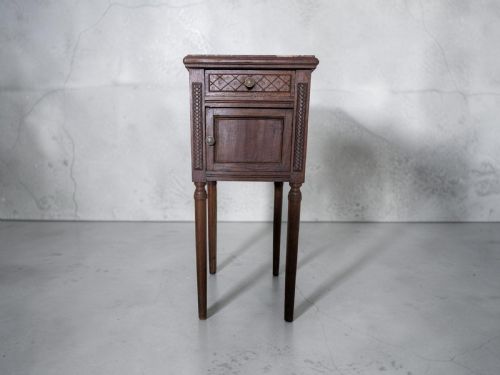


Provincial Carved Storage Cabinet
A provincial carved storage cabinet brings regional timber and rural craftsmanship directly into domestic rooms for daily utility.
Provincial Carved Storage Cabinet
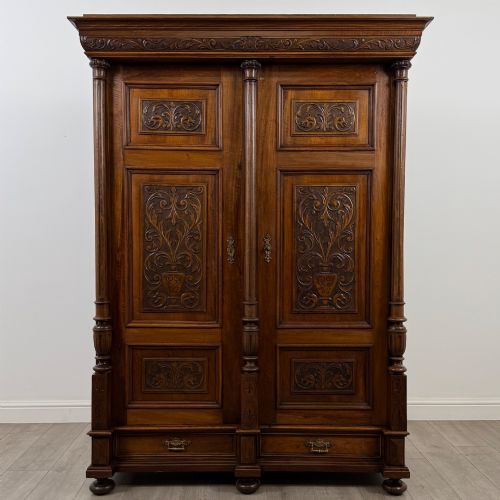
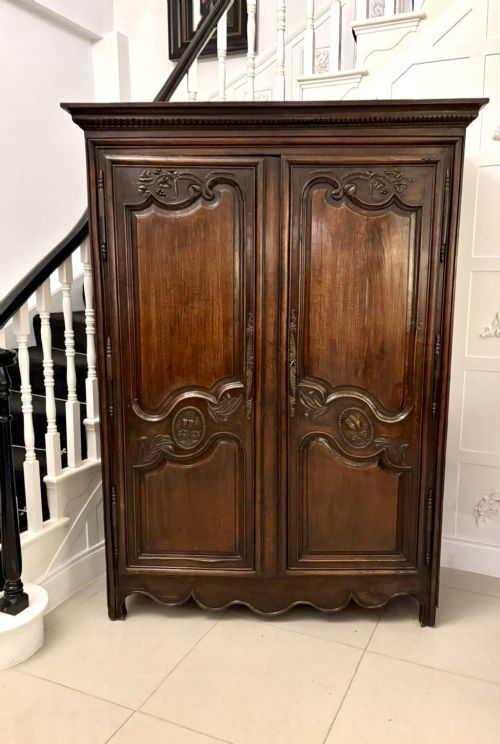
A provincial carved storage cabinet represents regional furniture made across European districts rather than capital city workshops, encompassing armoires, buffets, commodes, and cupboards. Buyers searching for a provincial carved storage cabinet encounter substantial timber pieces originating mostly from eighteenth and nineteenth-century France, Italy, and regional territories. These items served practical domestic functions in farmhouses and chateaux, holding provisions, linen, or garments.
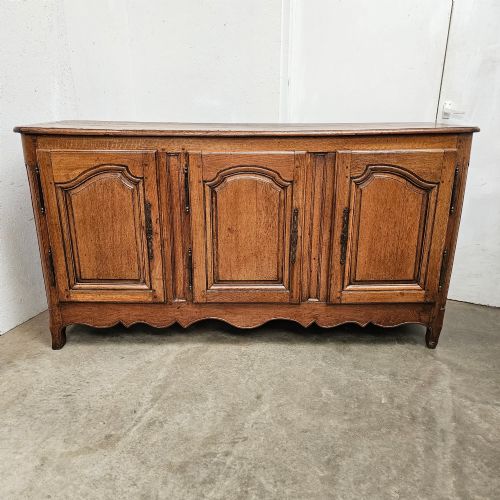
The selections on this page lean heavily toward French provincial regions such as Normandy, Brittany, Burgundy, and Provence. Common forms include large armoires, smaller bedside cabinets, enfilades, and food cupboards alongside commodes with fitted drawers. Oak and walnut dominate the construction, often displaying regional carving traditions specific to their local districts.
Materials and construction methods
Makers relied primarily on solid oak and walnut, supplemented by chestnut, cherrywood, and burr elm depending on local availability. Carpenters joined structural members using traditional mortise and tenon joints, assembling heavy door frames and panelled sides designed to withstand decades of rural use.
Surface ornamentation involved hand-carved motifs worked directly into the solid timber framing, frequently featuring floral panels, scrolling foliage, or regional emblems. Iron, brass, and steel hardware including hinges, escutcheons, and lock plates secured doors and drawers while adding functional contrast to the wood.
One cabinet incorporates the actual closed front salvaged from a traditional Breton sleeping compartment.
Assessing quality in regional furniture
Quality rests in the depth and crispness of the hand-carved details relative to the local timber used. Superior examples display confident, sharp chiselling that integrates harmoniously with the structural panels rather than appearing flat or hastily applied.
The integrity of the timber seasoning and the survival of original mounting hardware dictate the standing of a piece. Retaining original brass or iron hinges, locks, and internal shelving indicates an undisturbed history.
The Provincial Carved Storage Cabinet Glossary
- Armoire
- A large upright cupboard or wardrobe used for storing garments. These tall storage units typically feature double doors opening to reveal hanging space or internal shelving.
- Commode
- A low chest of drawers designed for domestic storage. Eighteenth-century examples often sit on short cabriole legs with shaped fronts.
- Enfilade
- A long sideboard or buffet featuring a continuous line of multiple doors and drawers. These large dining room pieces originated in grand French houses.
- Buffet de Corps
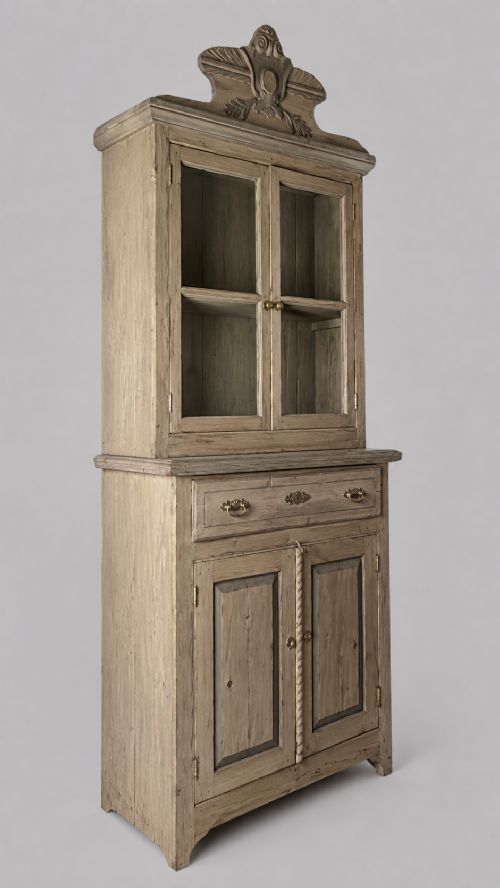
- A large two-tier sideboard or cupboard consisting of an upper cabinet resting on a lower base. This substantial furniture form provided extensive storage for household provisions.
- Lit-clos
- A traditional enclosed bed from Brittany featuring wooden panels and doors. Cabinets occasionally incorporate elements salvaged from the front structures of these sleeping compartments.
Provincial Carved Storage Cabinet: Frequently Asked Questions
Where were these cabinets made?
These storage pieces originated in regional workshops across France, Italy, and rural European provinces. Local cabinet makers utilised timber native to their specific districts.
Craftsmen in regions such as Normandy, Brittany, and Provence applied distinct local carving styles and construction methods to oak and walnut.
How do I date an 18th-century piece?
Dating relies on examining the timber grain, tool marks left by hand planes, and the construction of the panel joins. Older items often feature pegged mortise and tenon joints.
Hardware fixings, such as hand-beaten iron hinges and wrought lock plates, also provide clear indicators of period manufacture.
Can I use an armoire for modern clothes storage?
Many armoires and wardrobes adapt well to contemporary living spaces once internal fittings are adjusted. Deep shelves accommodate folded garments and bedding with ease.
Some models feature enough interior height to allow the installation of a modern hanging rail without altering the exterior facade.
What is the difference between an armoire and a buffet?
An armoire is a tall, vertical storage cabinet primarily designed for garments and linens behind full-length doors. A buffet serves as a lower sideboard intended for dining rooms.
Buffets generally combine drawers and shorter cupboards, whereas armoires prioritise vertical hanging capacity and deep internal shelving.