


Rustic French Larder Cupboard
A rustic french larder cupboard offers generous storage through time-worn timber and painted finishes, bringing genuine provincial character into modern kitchens.
Rustic French Larder Cupboard
When you search for a rustic french larder cupboard, you encounter substantial storage furniture designed for food preservation and household provisions in provincial settings. These pieces primarily date from the eighteenth and nineteenth centuries, spanning periods like the Victorian era and the year eighteen hundred and fifty.
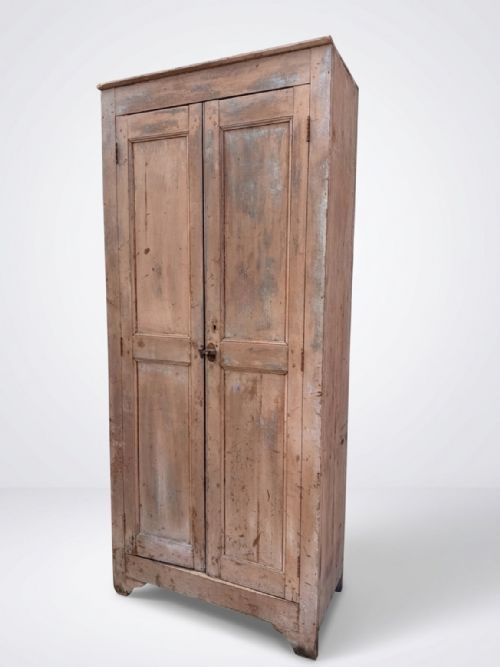
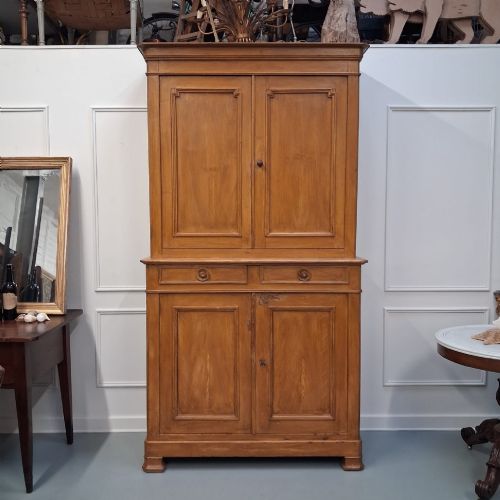
The forms on this page include housekeepers cupboards, food cupboards, and mountain cupboards originating from regions such as Normandie. Builders constructed these cabinets using pine, chestnut, and oak, often applying painted finishes or leaving the timber plain.
How they were made
Cabinet makers utilised solid timbers like pine, oak, and chestnut to build these durable storage pieces. Construction often involved traditional joinery methods suited to rural workshops and provincial demands.
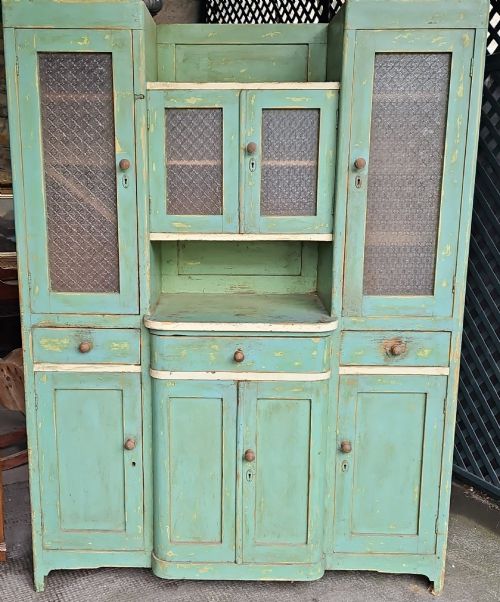
Surfaces frequently received layers of paint, while hardware components incorporated iron and brass fittings. Textured glass occasionally appeared in panels, complementing the robust metal elements used for hinges and latches.
The documented pieces span the eighteenth century, the Victorian era, and the Edwardian period.
What varies in quality
Quality in these pieces rests upon the integrity of the timber and the honesty of the surfaces. Earlier examples from the eighteenth century display hand-carved details and heavier structural timbers compared to later nineteenth-century iterations.
The character of the painted finish significantly influences the appeal of a piece. Original or patinated paintwork holds greater visual weight than later refinishing, while the proportion and scale of the cupboard dictate its architectural presence.
The Rustic French Larder Cupboard Glossary
- Housekeepers cupboard
- A large storage cabinet traditionally used for linens, dry goods, and household provisions. These tall pieces provide extensive internal shelving.
- Pine
- A softwood commonly utilised in provincial furniture making for its accessibility and workability. It forms the primary structural material for many painted country cabinets.
- Mountain cupboard
- A regional variant of storage furniture built to withstand rural highland conditions. These pieces often feature sturdy construction and local timber selections.
- Normandie
- A northern French region known for distinct provincial furniture styles. Cabinets from this area frequently exhibit regional carving traditions and robust proportions.
Rustic French Larder Cupboard: Frequently Asked Questions
What is a rustic french larder cupboard used for?
These large cabinets served historically to store food, dry goods, and household linens in rural homes. Today, buyers utilise them in kitchens and dining spaces for pantry storage and tableware.
Their deep shelves and substantial doors accommodate modern kitchen provisions while adding authentic historical texture to an interior.
How do I date an antique larder cupboard?
Dating relies on examining the timber species, construction joinery, and hardware used in the cabinet. Eighteenth-century examples often show hand-planed surfaces and regional construction traits.
Later nineteenth-century pieces may incorporate machine-sawn elements, standardised iron hinges, or Edwardian styling details that distinguish them from earlier rural builds.
Are these cupboards made of solid wood?
Provincial furniture makers built these cabinets using solid woods such as pine, oak, and chestnut. These durable timbers provided the necessary strength for heavy daily use in busy households.
Surfaces were frequently finished with paint or left natural, allowing the grain and construction marks to remain visible over centuries.
Where did these cupboards originate?
These storage pieces originate from various French regions, including provincial areas and mountainous districts like Normandie. Local craftsmen built them to suit the specific storage needs of rural households.
Regional differences appear in the carving styles, timber choices, and painted finishes applied to the exterior of the cabinets.