



Antique French Food Cupboard
An antique french food cupboard brings rustic charm and practical storage into a home through centuries of provincial craft.
Antique French Food Cupboard
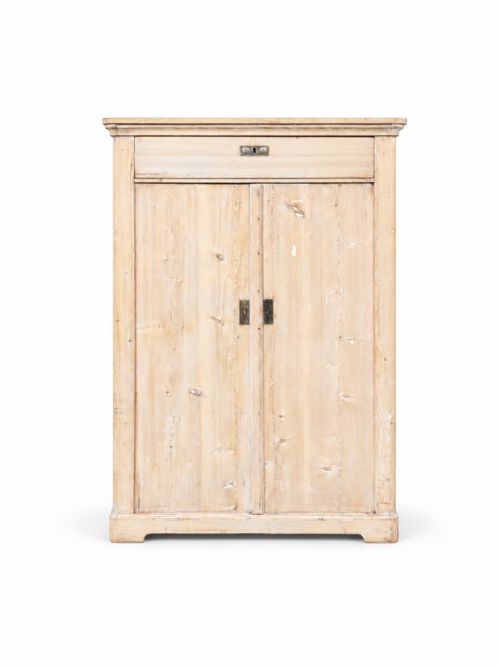
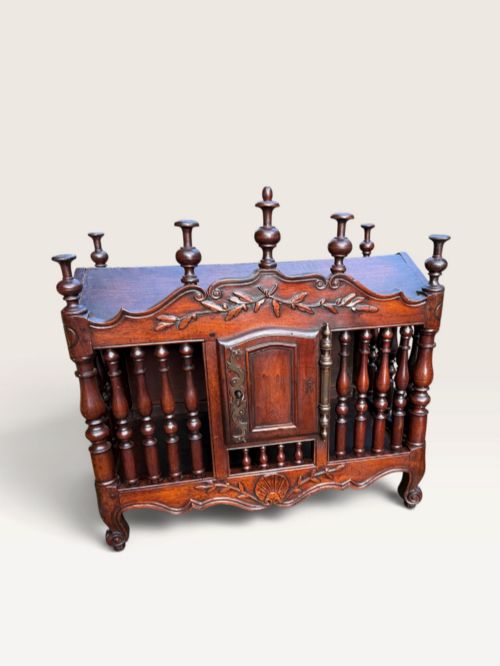
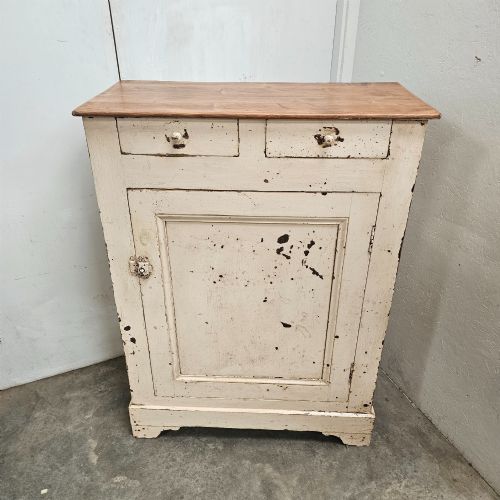
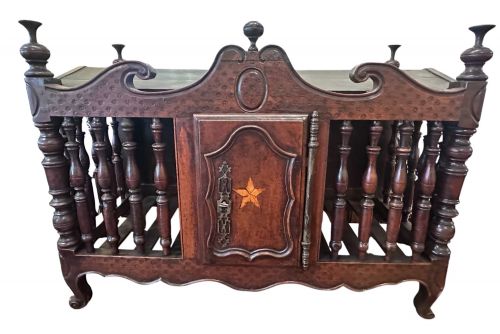
An antique french food cupboard encompasses regional storage forms designed for provisions, ranging from small jam cupboards and wall cabinets to tall larder cupboards and housekeeper's presses. These pieces reflect the domestic needs of provincial households across different regions, often taking specific local shapes like the bread safe or panetiere.
The versions most commonly met on this page span the seventeenth, eighteenth, and nineteenth centuries, with oak and painted pine appearing frequently alongside fruitwood, walnut, and chestnut. Stylistically, they lean into french provincial, rustic country, and french breton traditions rather than formal court aesthetics.
Buyers encounter a variety of functional formats, including food safes with ventilated panels, alcove cupboards originating from manoir cellars, and substantial kitchen dressers. Each piece provides a direct link to rural french domestic life through utilitarian design.
Materials and construction methods
Cabinetmakers relied on solid regional timbers such as oak, fruitwood, pine, and chestnut, selecting woods that grew locally to the workshop. These hardwoods and softwoods were often panelled and joined to withstand daily domestic use in provincial kitchens and larders.
Iron and wrought iron hardware, including hinges, latches, and ventilation grilles, form an integral part of the construction. Paint finishes also feature significantly, ranging from original painted surfaces on pine to natural waxed patinas on aged oak and fruitwood.
Antique French Food Cupboard Retail Price Guide 2026
Typical asking prices for french food cupboard among the pieces listed under this phrase on Sellingantiques today, from the lower quarter to the upper quarter. They describe what is for sale here now, not the wider market.
Listings feature oak, pine, fruitwood, walnut, and chestnut, spanning the seventeenth to the late nineteenth century.
Factors that distinguish quality
Quality in these cupboards rests on the integrity of the timber and the depth of the natural patina accumulated over centuries of use. Untouched surfaces and original hardware carry greater authenticity than later replacements or stripped finishes.
Proportion and regional character set finer examples apart from standard utility pieces, particularly where carving or turned details reflect specific local traditions like those of Normandy or Breton workshops.
The Antique French Food Cupboard Glossary
- Panetiere
- A traditional freestanding or wall-mounted bread cage or store featuring turned spindles for ventilation. These pieces allowed loaves to dry safely away from household pests.
- Confiturier
- A small jam cupboard or cabinet traditionally used in french households for storing preserves. They typically feature a single door and a compact footprint.
- Manoir
- A traditional french manor house or country estate. Furniture originating from these buildings often displays heavier proportions and robust regional construction.
- Housekeeper's Cupboard
- A large storage cabinet designed for domestic provisions and household linens. These tall pieces frequently combine shelving and enclosed lower compartments.
Antique French Food Cupboard: Frequently Asked Questions
What is a panetiere used for?
A panetiere served as a specialised bread cage designed to store and protect loaves in traditional french households.
The turned spindles allowed air circulation to keep bread fresh while keeping household rodents away.
How do I care for antique oak?
Maintain antique oak by applying natural beeswax sparingly to nourish the dry wood.
Keep these pieces away from direct heat sources and strong sunlight to prevent the timber from splitting.
Where were these cupboards made?
These pieces originated in regional workshops across rural France, including Normandy and mountain districts.
Local craftsmen utilised native timbers such as fruitwood, chestnut, and oak to build furniture suited to provincial domestic life.
Are painted finishes original?
Many painted surfaces show age through crackle, wear, and multiple layers applied over decades of use.
Distinguishing original paint requires examining the adherence to the timber and the nature of underlying wear patterns.