


Provencal Landscape Art
Provencal landscape art captures the light, rugged terrain, and rural life of the South of France through oils and charcoals.
Provencal Landscape Art
Provencal landscape art draws the eye to the bright skies, craggy stone, and olive trees of the Mediterranean coast and interior. When you search for provencal landscape art, you meet works that range from Victorian forest scenes to mid-century French colourist board paintings.
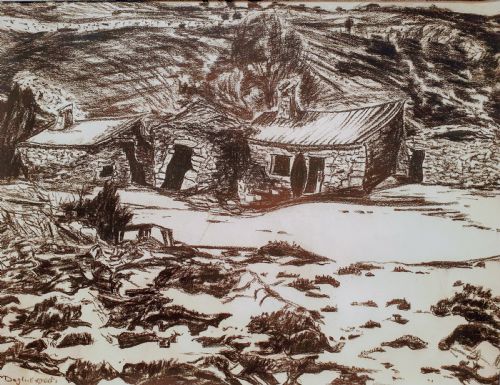
The pieces on this page span several decades from the early twentieth century onward, capturing farmhouses, coastal views, and washerwomen by streams. You will find oil paintings on canvas and wooden panels alongside charcoal drawings on paper.
Makers and artists represented include figures like Jean-Baptiste Olive, Majorie Hoare, and Henri Joseph Harpignies. Their subjects document the changing light of the South of France through various modernist and traditional lenses.
Materials and techniques
Artists applied oil paint directly onto canvas, wooden panels, and paper mounted on canvas to capture the texture of the southern landscape. The mediums vary from thick oil applications to delicate charcoal strokes on paper.
Substrates like wooden panel and stretched canvas provide the structural support for these regional depictions. Charcoal drawings utilise paper to record the windy days and atmospheric conditions of the Mistral.
Provencal Landscape Art Retail Price Guide 2026
Typical asking prices for provencal landscape art among the pieces listed under this phrase on Sellingantiques today, from the lower quarter to the upper quarter. They describe what is for sale here now, not the wider market.
Listings feature works executed in oil, charcoal, canvas, paper, and wooden panel across several decades of the twentieth century.
Factors of quality
Quality rests in the handling of light and pigment, distinguishing works by skilled colourists from standard decorative pieces. The application of oil paint reveals whether an artist captured the specific atmosphere of the French countryside.
Provenance and attribution to documented painters elevate individual works above unsigned student or amateur efforts. The integration of paper onto canvas or the stability of the wooden panel also affects the physical standing of each piece.
Jean-Baptiste Olive·Majorie Hoare·Henri Joseph Harpignies
The Provencal Landscape Art Glossary
- Post-Impressionism
- A stylistic development that builds upon impressionist brushwork while focusing on emotional resonance and expressive form. This approach defines many regional French views from the early twentieth century.
- Barbizon School
- A nineteenth-century French movement focused on realistic landscape painting and working directly from nature. Artists of this background influenced later depictions of rural scenery.
- Oil on Panel
- A painting executed on a flat wooden support rather than flexible canvas. This rigid medium offers a distinct surface texture for the artist's brush.
- Mistral
- A strong, cold, north-westerly wind that blows from southern France into the Gulf of Lion. It frequently informs the atmospheric drama in regional drawings and paintings.
Provencal Landscape Art: Frequently Asked Questions
What periods do these paintings cover?
The works span from the Victorian era through the early twentieth century, including pieces created across the nineteen-teens, twenties, thirties, forties, and fifties.
This broad timeline demonstrates how different generations of artists interpreted the same southern French scenery.
What materials are typically used?
Artists utilised oil paint, canvas, wooden panels, charcoal, and paper. Many works combine these elements, such as oil applied to paper mounted on canvas.
These varied supports reflect the working methods available to painters working both in studios and outdoors.
How do I identify a regional subject?
Subjects often feature specific markers of the South of France, such as olive trees, craggy stone farmhouses, coastal views, and local figures like washerwomen.
Artists aimed to record the distinct light and weather conditions of the Mediterranean coast and interior.
Are these works signed by the artists?
Several pieces feature signatures, initials, or documented attributions to period artists, while others remain attributed to regional colourists.
Signed works provide a clearer link to individual creators active in French art circles during the first half of the twentieth century.