


20th Century French Painting
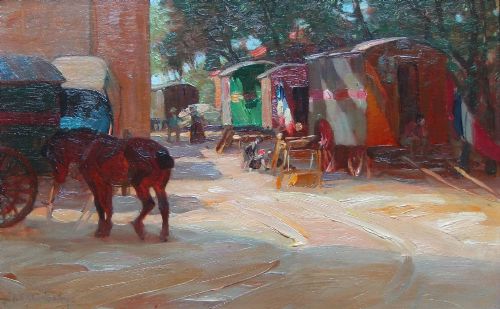
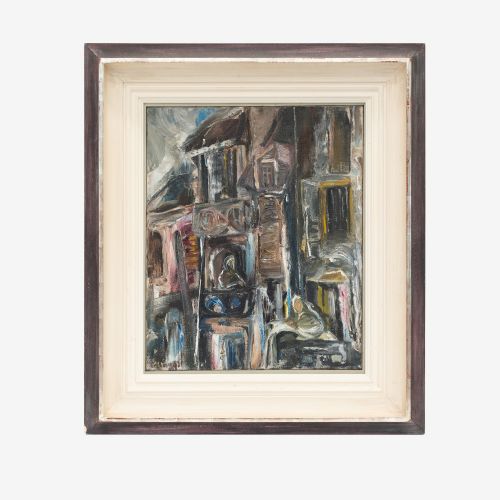
When exploring 20th century french painting, collectors encounter diverse canvases capturing urban Parisian scenes, coastal harbours, and intimate rural landscapes from across the decades.
20th Century French Painting
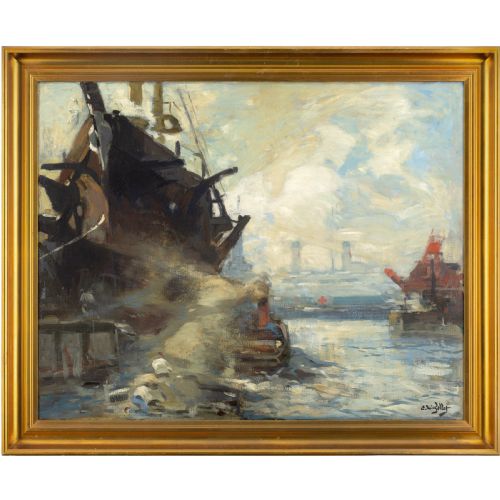
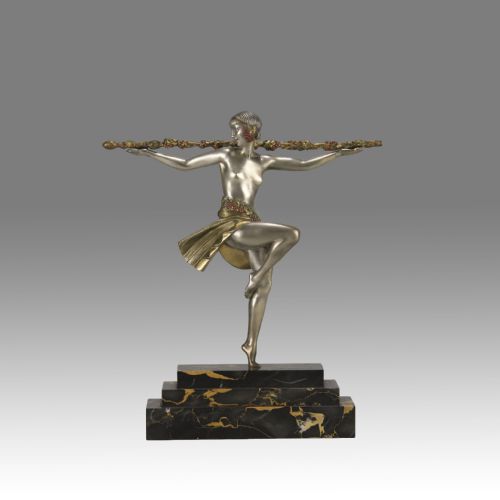
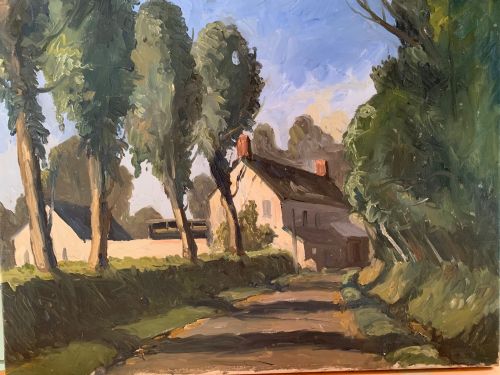
The pieces grouped under 20th century french painting encompass oil paintings, watercolours, and mixed media works created across the decades from nineteen hundred to nineteen sixty. Buyers frequently encounter coastal landscapes of the Côte d'Azur, maritime harbour scenes from Normandy, and cityscapes depicting Paris.
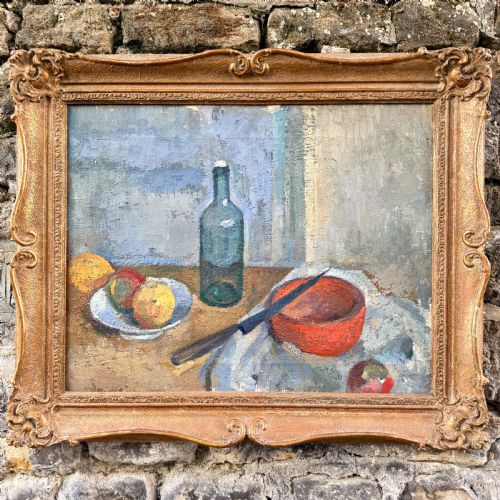
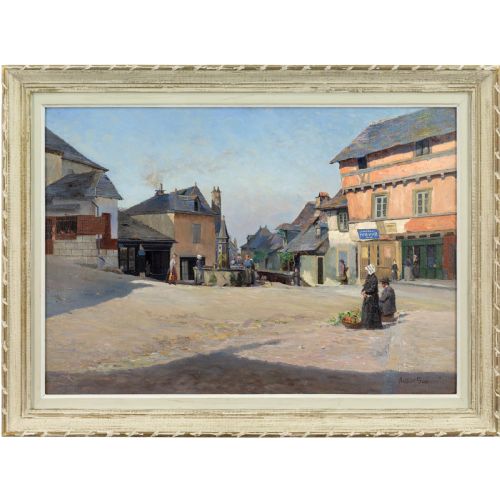
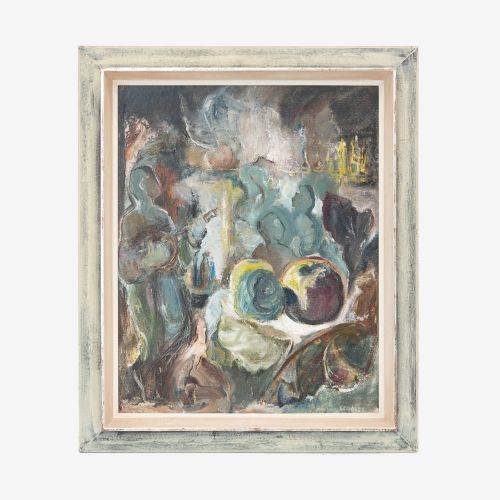
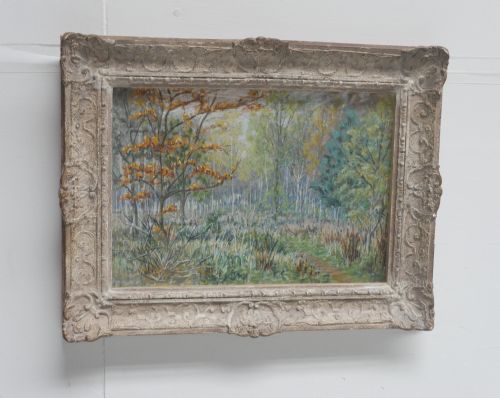
Beyond standard canvases, the selection includes portraiture, interior domestic scenes, and plein air compositions influenced by Impressionism, Post-Impressionism, and Fauvism. These works reflect stylistic shifts across the decades, transitioning from traditional academic methods toward modernist interpretations.
Materials and methods
Works in this category rely predominantly on oil paint applied to canvas, board, or wood panels, utilising both traditional brushwork and textured impasto techniques. Watercolour and gouache appear frequently on paper supports, capturing lighter atmospheric effects.
Support materials range from stretched linen and coarse canvas to wooden panels and artist boards. Frames often consist of period timber mouldings, occasionally with gilt finishes appropriate to the era.
Several canvases capture ordinary domestic moments, including tea hours and quiet pauses in provincial French gardens.
Evaluating quality in these works
Quality separates through the assured handling of light, brushwork fluidity, and compositional balance within the landscape or portrait. Superior examples demonstrate a distinct command of colour harmony and atmospheric depth rather than mere technical replication.
The preservation of the original paint surface and the clarity of the artist signature or documentation contribute significantly to the standing of individual pieces.
Eugène-Louis Gillot·Pierre le Faguays·Arthur Gué·Demetre Chiparus·Paul Ehrenberg·Lilian Colbourn·Paul-Jean Anderbouhr·Edouard Julien·Gaston Cornil·Paul Delvaux·Henri Vincent-Anglade·Victor Gabriel Gilbert·Gustave Vidal·Raimond Louis Lecourt·Fred Pailhes·Ron Folland·Majorie Hoare·Charles E Cundall·Marc Aldine·Antoine Bouvard Senior·Henry Portal·Philip Naviasky·Henriette Desportes·Edmond Le Bienvenu-Dutourp
The 20th Century French Painting Glossary
- Impressionism
- A nineteenth and twentieth century painting style focusing on transient effects of light and ordinary subject matter. Artists prioritized visible brushstrokes and open composition.
- Post-Impressionism
- An art movement extending Impressionism while rejecting its limitations, emphasising geometric forms and expressive use of paint. Artists developed highly personal approaches to colour and structure.
- Fauvism
- A style characterised by strong colours and painterly qualities over realistic or natural values. Practitioners employed bold hues straight from the tube.
- Plein air
- The act of painting outdoors to capture direct observation of a landscape. Practitioners observe shifting natural light directly on location.
- Gouache
- An opaque water-based paint method producing a flat, matte finish. It allows for rich colour application on paper supports.
20th Century French Painting: Frequently Asked Questions
What subjects appear in 20th century french painting?
These works frequently depict Parisian street scenes, rural cottages, and bustling harbours along the French coast. Domestic interiors and portraits also appear regularly across the selection.
Landscapes from Normandy and the Côte d'Azur capture the changing light and topography favoured by artists of the period.
How do I identify the period of a painting?
Dating relies on stylistic markers, artist signatures, and framing methods typical of specific decades. Works from the early decades often reflect impressionistic tendencies, whereas mid-century examples lean toward modernist abstraction.
Examine the reverse of the canvas or board for stamps, exhibition labels, or handwritten inscriptions left by previous owners or galleries.
Are these paintings usually framed?
Many examples retain their period frames, which provide context regarding how the artwork was displayed historically. These frames range from simple wooden mouldings to elaborate gilt designs.
When a piece lacks a period frame, collectors often select a complementary moulding that respects the era of the artwork.
How should I care for an oil painting?
Protect the canvas from direct sunlight and extreme fluctuations in household temperature and humidity. Dust the surface gently with a soft, dry brush without applying pressure.
Avoid using liquid cleaners or moisture on the paint layer, and consult a professional conservator for deeper cleaning.