


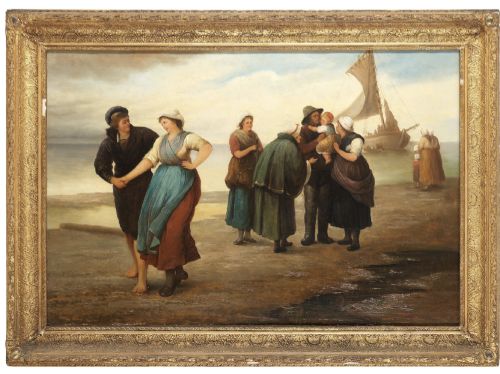
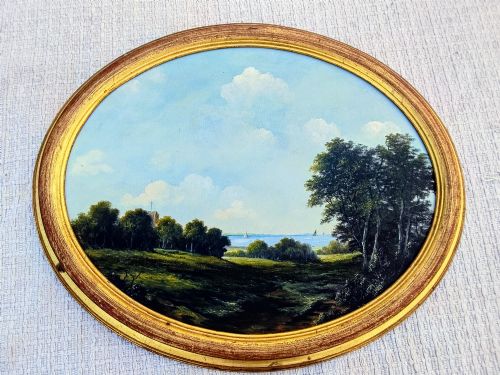
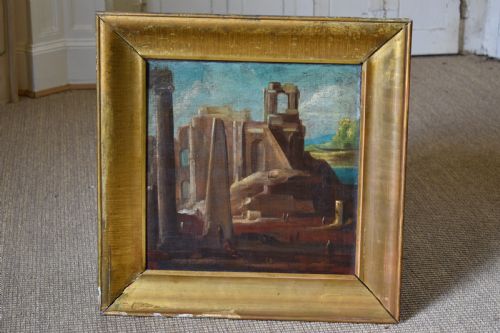
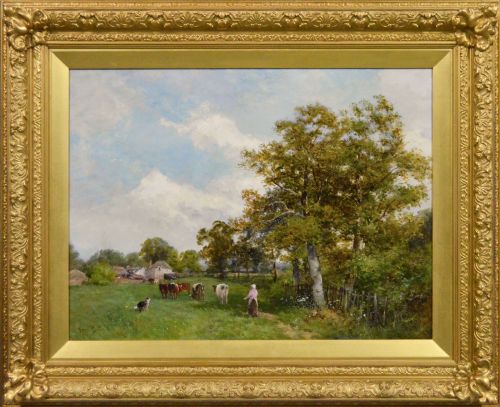
Framed Oil Landscape Picture
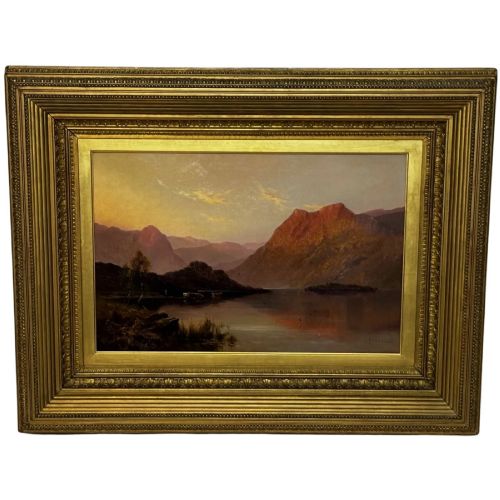
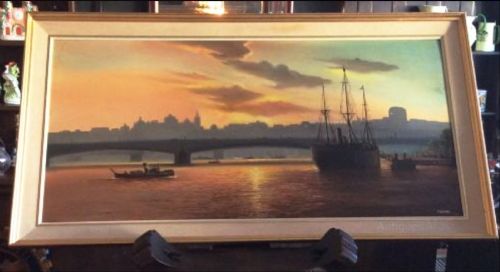
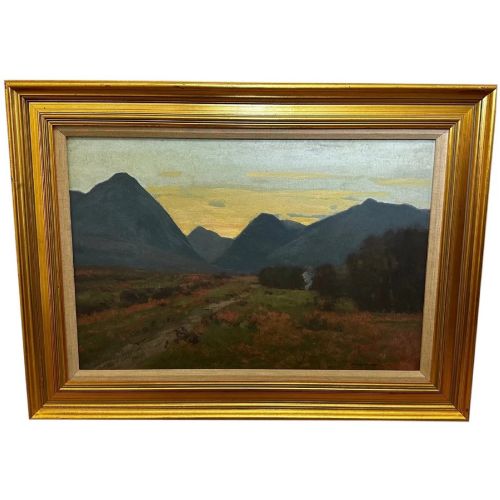
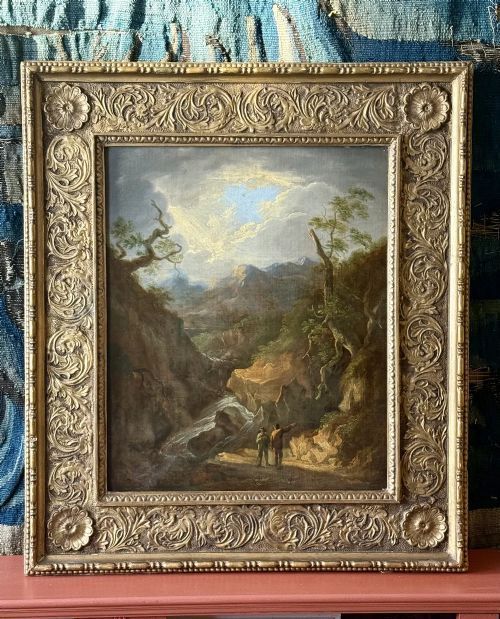
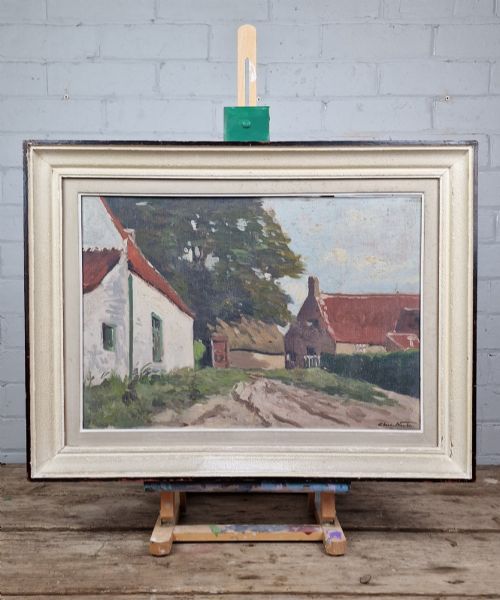
A framed oil landscape picture brings the depth and atmosphere of the countryside or coast directly onto your wall.
Framed Oil Landscape Picture
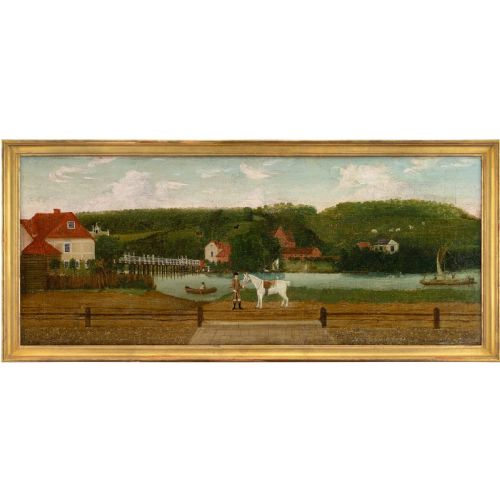
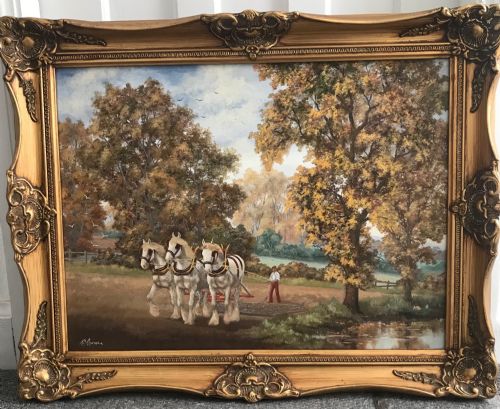
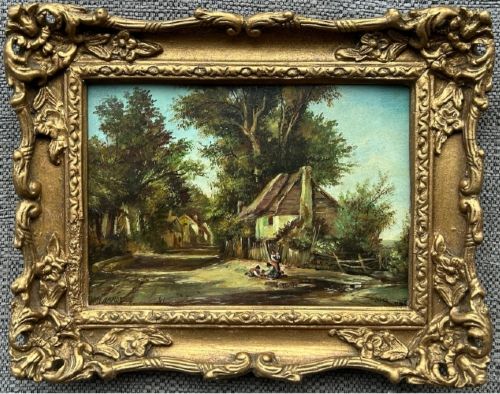
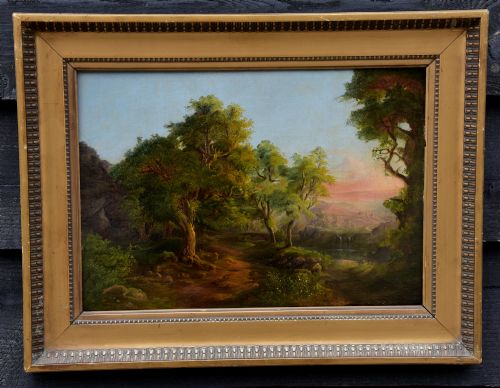
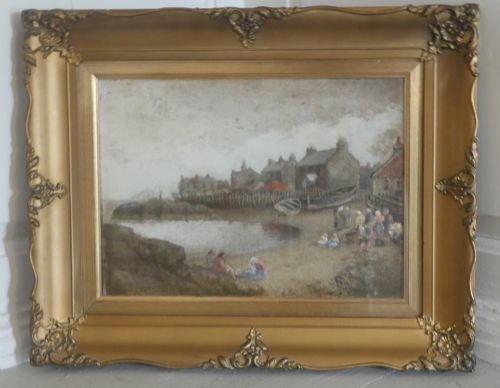
A framed oil landscape picture captures rural scenes, woodland views, and coastal expanses through painted pigment. When searching for a framed oil landscape picture, you encounter works spanning the Victorian era, the Edwardian period, and the mid-twentieth century.
The selection ranges from traditional British countryside views and pastoral scenes with livestock to French school works and Flemish style panels. These paintings frequently depict harvest fields, river valleys, and mountain vistas enclosed within period wooden surrounds.
Materials and Construction
Artists painted primarily using oil on canvas, wood panels, board, or card, applying oil paint that allowed for rich texture and subtle colour blending. Supports varied from stretched canvas to wooden boards and panels.
Framing typically involves wood, often enhanced with gesso and gilt finishes. These frames range from elaborate moulded gilt wood surrounds to simpler vintage wooden profiles.
Several canvases feature remarkably fluffy sheep grazing among patches of wild garlic.
Judging Quality
Quality rests upon the skill of the brushwork, the handling of natural light, and the convincing depth of the perspective. A stronger composition displays confident draftsmanship in elements like foliage, water, and figures.
The relationship between the painting and its frame also matters significantly. Original gilt wood frames that complement the period and scale of the canvas elevate the presentation.
Benjamin Barker of Bath·Alfred Fontville de Breanski Jr·George Houston RSA RSW·Joseph Farquharson RA·David Bates
The Framed Oil Landscape Picture Glossary
- Oil on Canvas
- Pigment mixed with drying oil applied to a woven fabric support stretched over a wooden frame. This medium allows for rich layering and varied brush textures.
- Gesso
- A plaster-like mixture applied to wood frames before gilding or painting. It provides a smooth surface for intricate mouldings.
- Gilt Wood
- Wood treated with a thin layer of gold leaf or metallic gilt finish. It creates the traditional reflective border common in antique picture frames.
- Oil on Board
- Pigment applied directly to a rigid wooden or composition board rather than fabric. This surface offers a stable support often utilised for smaller landscape studies.
Framed Oil Landscape Picture: Frequently Asked Questions
How do I date an old landscape painting?
Dating relies on stylistic clues, the stretcher construction, canvas type, and framing methods. Pigment analysis and artist signatures provide further chronological context.
Examining the back of the panel or canvas often reveals inscriptions, framer stamps, or labels that help narrow the decade of creation.
Are these paintings ready to hang?
Most pieces arrive with their period frames and standard hanging wire attached. You can mount them directly onto standard wall fixings.
Check the integrity of the hanging cord and the fit of the canvas within the frame before placing it on the wall.
How should I clean an oil painting?
Surface dust can be removed gently using a very soft, dry artist brush. Avoid using water, household cleaners, or damp cloths on the painted surface.
Professional conservators should handle deeper cleaning or the removal of aged, discoloured varnish layers.
What subjects appear in these landscapes?
Common subjects include pastoral scenes with cattle or sheep, woodland pathways, river valleys, and coastal sea views. Artists also captured rural villages and mountain ranges.
These motifs reflect both British topographical traditions and continental European landscape styles from the nineteenth and twentieth centuries.