



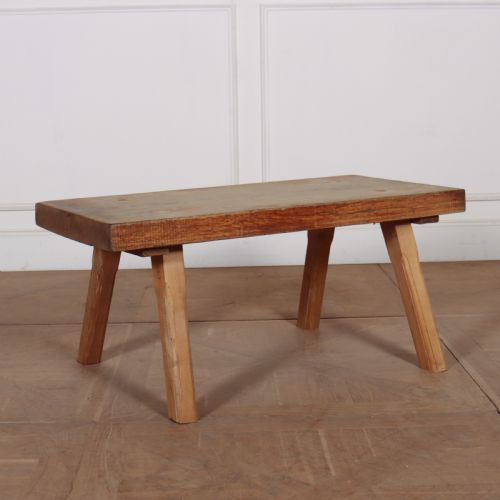


Primitive Oak Table
A primitive oak table offers honest utility and weathered grain, forming the centrepiece of a rustic interior.
Primitive Oak Table
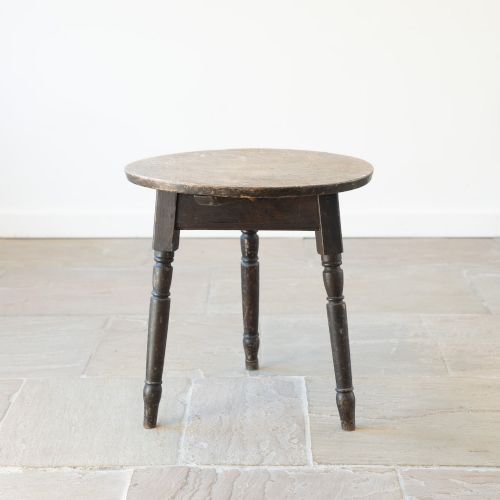
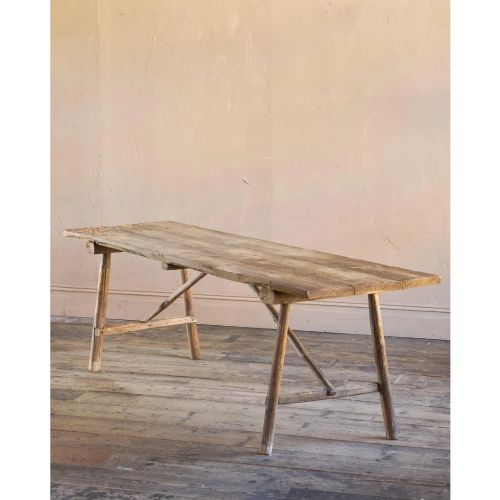
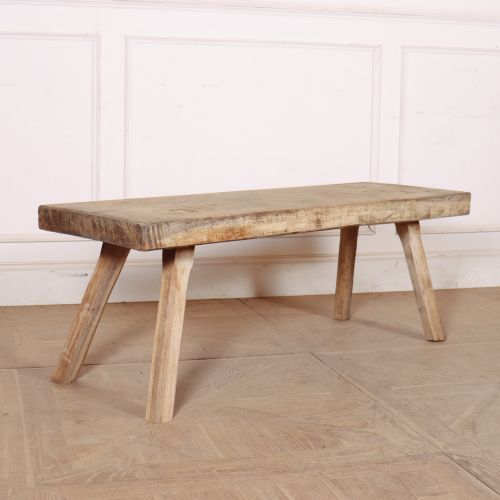
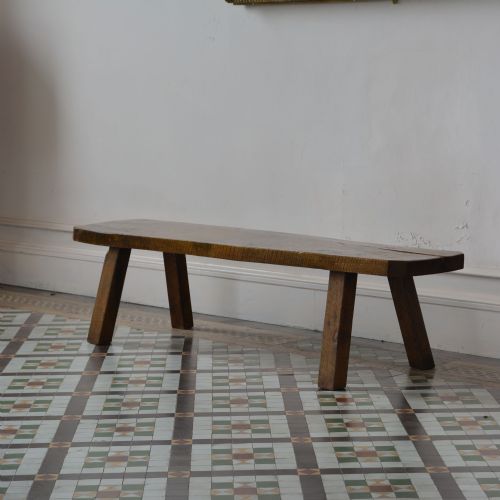
The selection ranges from compact occasional and tripod tables to substantial farmhouse dining tables and butchers blocks. Oak is the primary timber, occasionally accompanied by walnut, fruitwood, or softwood components resulting from historical repairs and local material availability. Each item bears the visible marks of daily use, showing patination acquired through generations of labour in country kitchens and workshops.
How they were made
Makers constructed these tables using solid oak timbers, often joined with pegged mortise and tenon joints or simple dowels. Surfaces were hand-adzed or sawn, leaving tool marks that reveal the straightforward methods of regional vernacular carpenters.
Supporting structures frequently utilise turned or cleft legs wedged directly into thick table tops, as seen in traditional cricket tables. Iron brackets, wrought iron bracing, and wire fastenings appear where structural reinforcement was necessary during the working life of the furniture.
Primitive Oak Table Retail Price Guide 2026
Typical asking prices for primitive oak table among the pieces listed under this phrase on Sellingantiques today, from the lower quarter to the upper quarter. They describe what is for sale here now, not the wider market.
The listings feature seventeenth, eighteenth, and nineteenth-century pieces alongside Georgian and Victorian examples constructed from oak, walnut, and wrought iron.
What varies in quality
Quality in these pieces rests upon the integrity of the original construction and the depth of the surface patination. Tables retaining their unblemished timber tops and unaltered leg assemblies command greater attention than those with extensive timber replacement.
Proportion and structural balance also distinguish finer examples, particularly in tripod and cricket tables where leg splay dictates stability. The natural weathering of the oak, showing silvered tones and warm honey hues, separates exceptional survivors from later or heavily stripped variants.
The Primitive Oak Table Glossary
- Cricket table
- A small occasional table featuring three splayed legs and a round wooden top. This design ensured stability on uneven farmhouse floors.
- Patina
- The surface sheen and colour developed by wood over centuries through handling, light exposure, and polishing. It serves as an indicator of age.
- Vernacular furniture
- Domestic pieces made by local craftsmen for everyday use rather than following courtly high-style fashions. These objects reflect regional traditions and available materials.
- Pig bench
- A low, narrow bench or table utilised in rural butchery and food preparation. They now function widely as coffee tables.
- Slab top
- A table top fashioned from a single broad plank of timber rather than multiple joined boards. This highlights the width of the original forest trees.
Primitive Oak Table: Frequently Asked Questions
How do I clean a primitive oak table?
Maintain the surface by dusting with a dry cloth and occasionally applying natural beeswax to nourish the dry timber. Avoid modern silicone polishes that can degrade the historic finish.
Keep the wood away from direct heat sources and radical humidity shifts to prevent splitting in the aged oak boards.
Are these tables suitable for daily dining?
Many sturdy examples, including farmhouse refectory and dining formats, function well for everyday meals. Use placemats and coasters to protect the historic surface from moisture and heat marks.
Smaller tripod and cricket formats suit occasional use as side or lamp tables rather than heavy seating.
How can I tell the age of the wood?
Examine the tool marks left by hand saws and adzes, alongside the wear patterns around the edges and feet. Peg construction and the depth of the oxidised patination offer further clues to the period of manufacture.
Historical alterations and replaced fixings are common in vernacular furniture and do not diminish the functional charm of the piece.
Where were these tables originally made?
Rural workshops across England, Wales, Scotland, and France produced these pieces for local farming and domestic communities. Regional styles developed based on the tools available and the specific agricultural needs of the area.
Welsh and French provincial examples often display distinct turning details and timber choices unique to their local geography.