





Primitive Oak Chair
These primitive oak chair examples are honest country pieces shaped by local hands, offering rugged utility and centuries of character for daily use.
Primitive Oak Chair
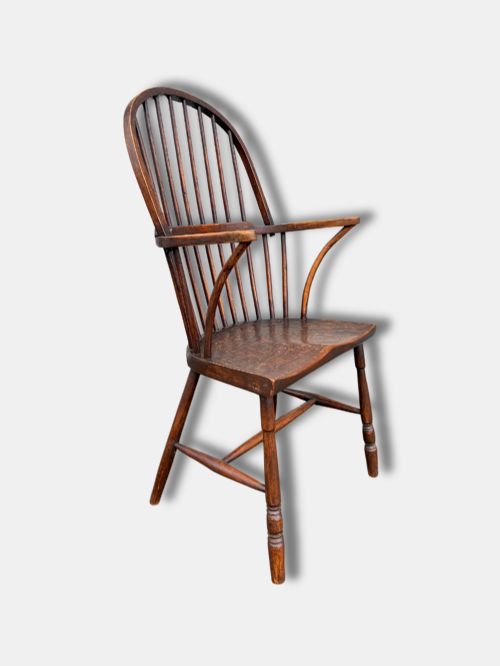
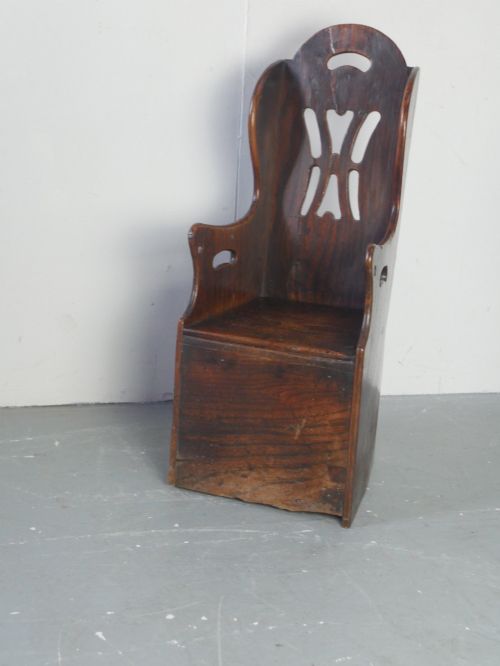
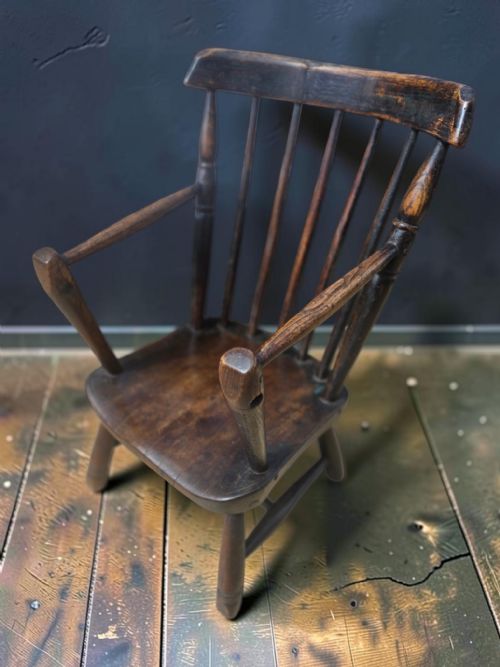
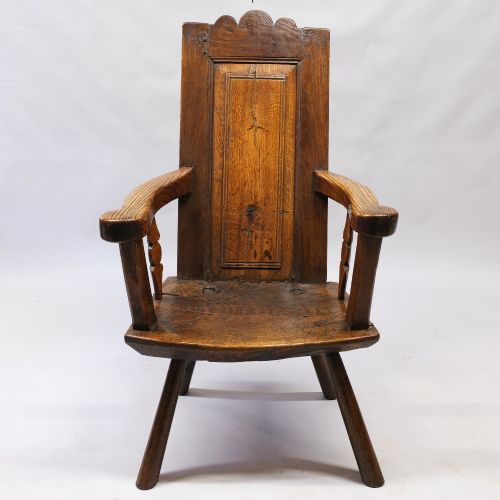
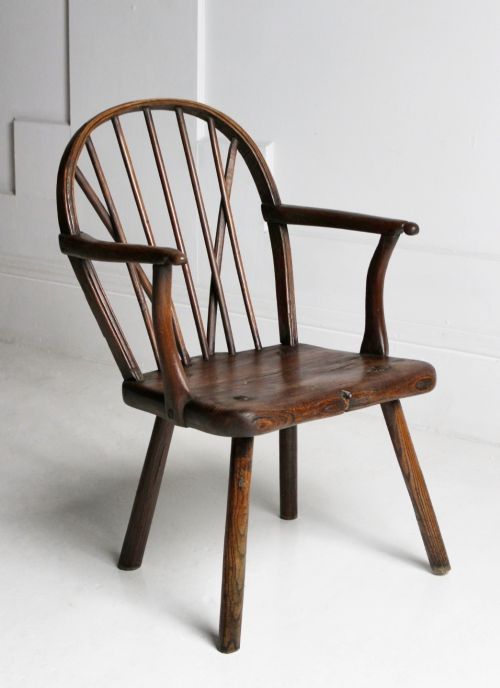
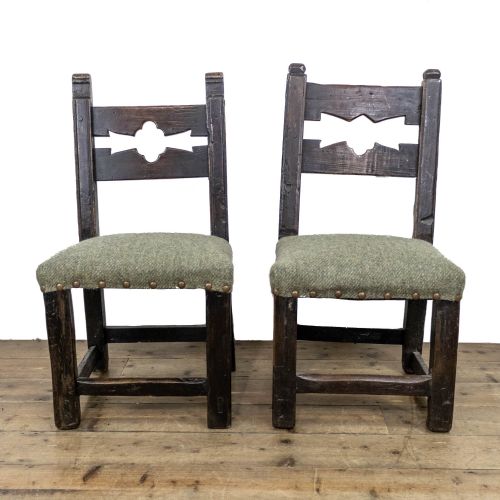
A primitive oak chair represents regional country craftsmanship from the eighteenth and nineteenth centuries, spanning domestic seating and children's furniture. These pieces include stick backs, panel-backed Windsors, comb backs, and dug-out forms originating from English and Welsh rural workshops.
You are most likely to encounter nineteenth-century stick chairs and eighteenth-century vernacular armchairs on this page, alongside smaller child's chairs and high chairs. Regional variations like the Welsh stick chair feature prominently among the available forms.
The aesthetic is decidedly rustic and vernacular, often displaying the marks of local makers who utilised native timber without the refinements of metropolitan workshops. They function as robust seating that brings historic utility into modern interiors.
How they were made
Local makers constructed these chairs using solid timber, combining oak with elm, ash, and alder for different parts of the frame. Carpenters selected native woods for their specific properties, utilising solid planks for seats and slender branches or cleft poles for spindles and legs.
Construction techniques relied on simple joinery, such as through-wedged tenons and shaved spindles fitted directly into thick plank seats. Surfaces often remain unpolished or show old painted finishes, highlighting the natural grain and rustic character of the weathered wood.
Primitive Oak Chair Retail Price Guide 2026
Typical asking prices for primitive oak chair among the pieces listed under this phrase on Sellingantiques today, from the lower quarter to the upper quarter. They describe what is for sale here now, not the wider market.
The listings span the eighteenth and nineteenth centuries, featuring regional vernacular forms made from oak, elm, ash, and painted wood.
What varies in quality
Quality in a primitive oak chair depends upon the integrity of its construction and the sculptural grace of its proportions. Pieces with well-balanced stick backs and untouched original surfaces stand apart from heavily restored examples.
The regional distinctiveness of the form also influences the standing of a piece, particularly where regional Welsh traditions display confident local styling. Original patination and the harmony of mixed native timbers elevate the character of the seating.
The Primitive Oak Chair Glossary
- Stick back
- A chair construction method where turned or cleft spindles are inserted directly into a solid wooden seat. This method defines many vernacular chairs from the eighteenth and nineteenth centuries.
- Comb back
- A Windsor chair variation featuring a high back with a crest rail resembling the teeth of a comb. The vertical spindles rise through a horizontal arm bow.
- Wainscot
- An early term describing oak panelled construction, often found on heavy seventeenth and eighteenth-century armchairs. It denotes solid board backs rather than open spindle work.
- Vernacular
- Architecture and furniture made by local craftsmen using traditional regional methods and local materials, without academic design influence. These objects reflect the practical needs of rural communities.
- Dug out
- A primitive form of seating fashioned directly from a single solid log or tree trunk. The seat is hollowed out to form a deep bucket shape.
Primitive Oak Chair: Frequently Asked Questions
How do I identify a Welsh stick chair?
Welsh stick chairs typically feature distinctive saddle seats and splayed legs wedged through the plank. They often incorporate comb-back or stick-back top rails shaped by local regional traditions.
Makers in areas such as Carmarthenshire and Swansea Valley developed characteristic regional lines that set these examples apart from standard English country seating.
Are these chairs comfortable for daily use?
Most country stick chairs and Windsors offer surprisingly supportive seating due to their ergonomically carved plank seats. The rake of the back and positioning of the armbows were designed for practical domestic comfort.
When placed in modern rooms, they provide sturdy everyday seating while adding historic texture to the interior space.
What woods were used besides oak?
Country makers frequently combined oak with other native hardwoods available in local woodlands. Elm, ash, and alder appear regularly in the construction of seats, spindles, and legs.
This mixed-timber approach was standard practice in rural workshops, where craftsmen utilised the best wood available for each specific component of the chair.
How should I care for weathered wood?
Historic country furniture benefits from gentle cleaning using a soft cloth to remove dust without disturbing the surface patination. Avoid modern chemical polishes that can soften or damage old dry timber.
Keeping the chair away from direct heat sources and sudden humidity changes protects the joints and prevents the native woods from splitting.