




Pricket Candle Stands
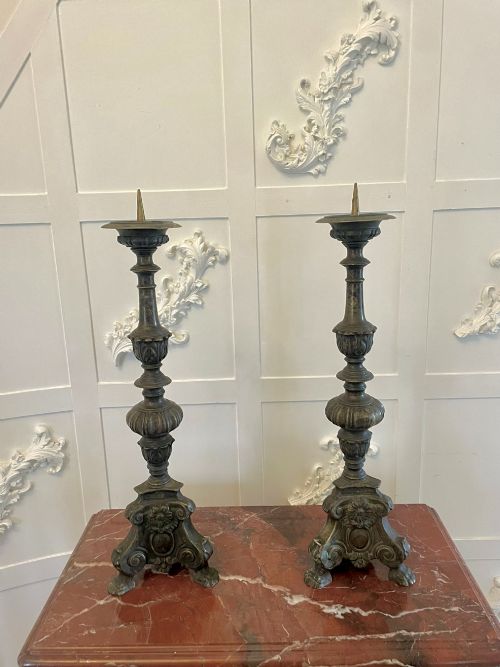
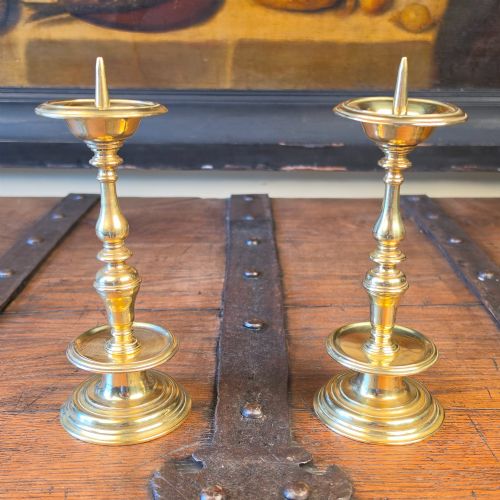
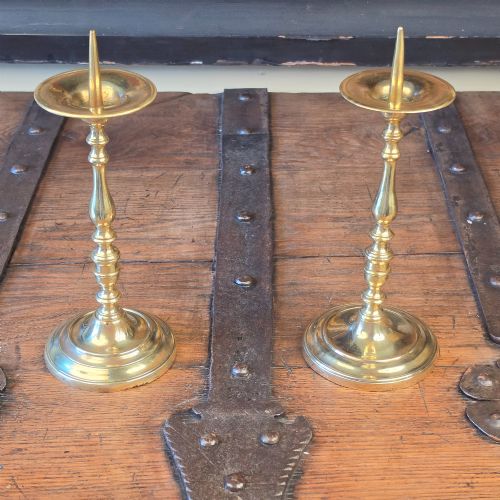
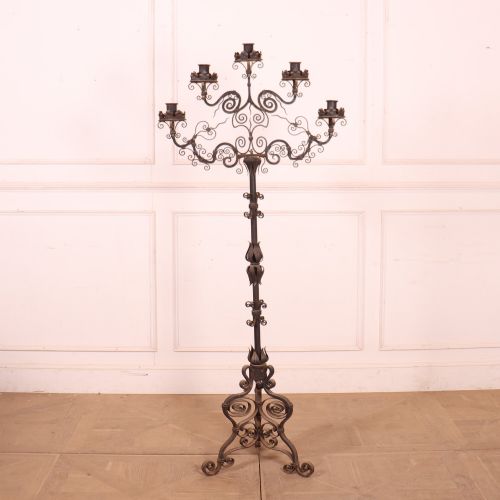
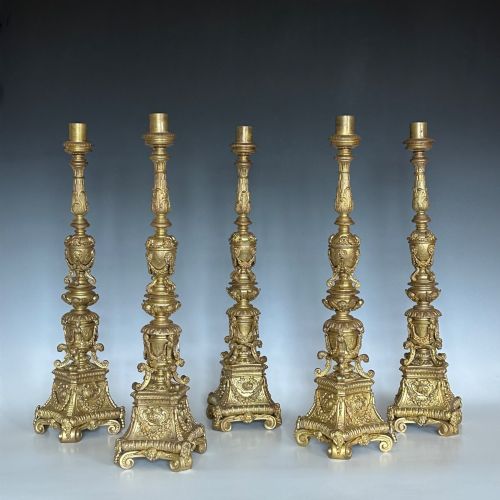
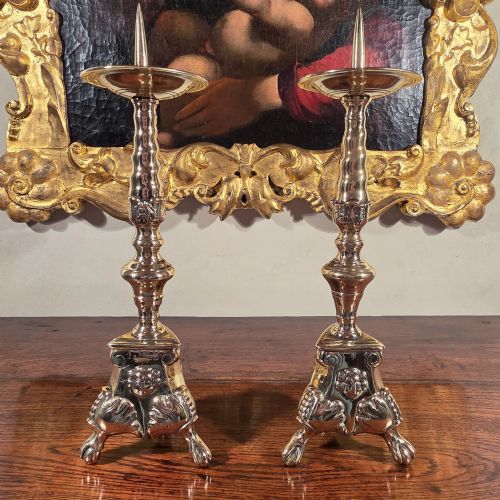
These pricket candle stands are metal and wooden holders featuring an upward spike to secure large candles, sourced mainly from church and altar furnishings.

Pricket Candle Stands
Pricket candle stands are lighting forms that rely on a central spike rather than a socket to hold the candle in place. When you search for pricket candle stands, you encounter pieces designed for altars, floor placement, or tabletop use.
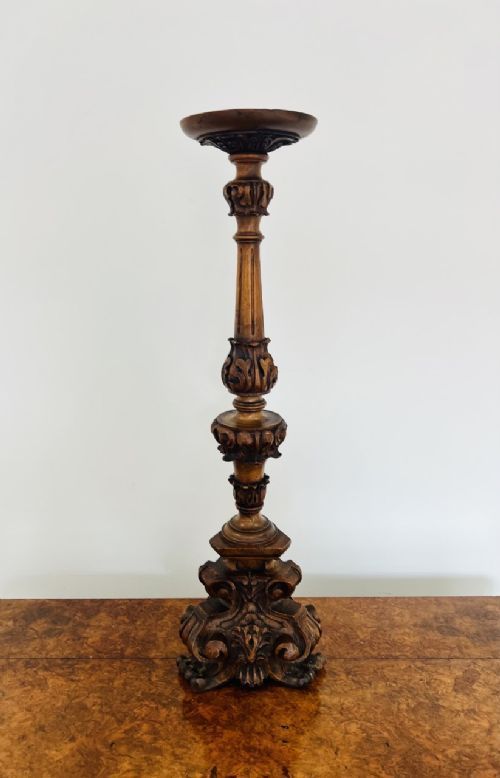
The selections span centuries of production, with heavy representation from the nineteenth and eighteenth centuries alongside later works. Forms range from compact brass sticks to tall wooden floor torcheres.
Continental European workshops dominate the origin points, particularly Italian, French, and Dutch makers producing ecclesiastical and decorative lighting. Domestic items sit alongside monumental church pieces.
How they were made
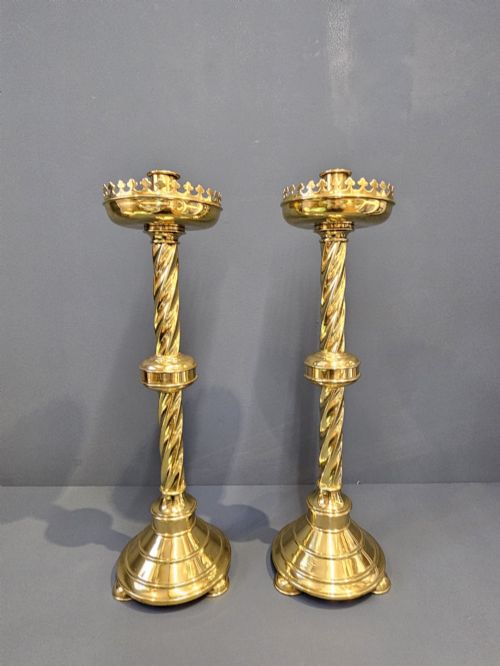
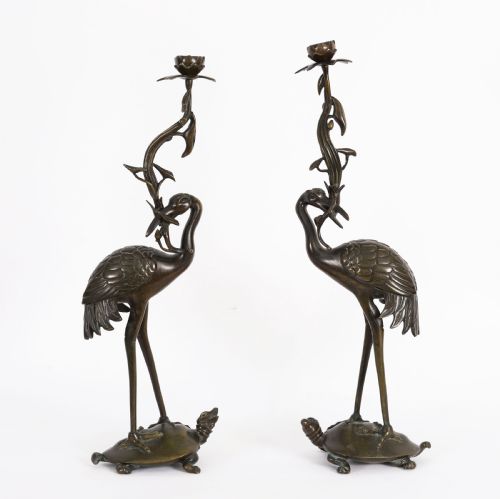
Metal examples utilise cast brass, bronze, copper, and wrought iron, often shaped through founding and hand-finishing techniques. Brass and bronze components provide the weight needed for stability on tall shafts.
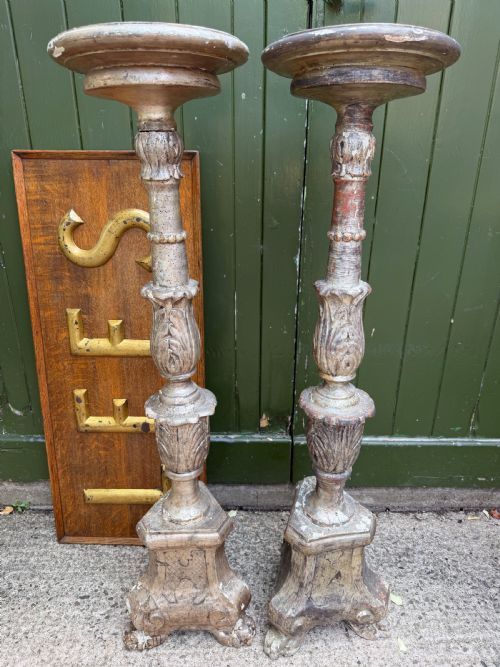
Wooden pieces rely on carved pine, walnut, and treen, frequently enhanced with gesso, silver leaf, giltwood, or polychrome paint. These finishes mimic more expensive materials or provide reflective surfaces for candlelight.
Several stands spent centuries collecting church incense smoke before retiring to the living room.
What varies in quality
The distinction between ordinary and exceptional pieces lies in the crispness of the casting or the depth of the hand-carving. Superior examples display sharply defined ornamentation and well-balanced proportions across heavy bases.
Materials and surface treatments dictate the visual impact, as original fire-gilding, genuine silver leaf, or patinated bronze outlast applied modern finishes. Original spikes and matching components preserve the integrity of the object.
The Pricket Candle Stands Glossary
- Pricket
- A sharp metal spike projecting upwards from the centre of a drip pan to impale the base of a candle. This method predates the socket candlestick.
- Torchere
- A tall stand or candlestick designed to support a light source, often taking the form of a heavily carved or turned wooden column.
- Giltwood
- Timber that has been coated with a thin layer of gold leaf or gold powder over a prepared gesso ground. It provides a luminous surface for ecclesiastical interiors.
- Treen
- Small domestic wooden objects made by turning or carving. These items display the grain and natural properties of the timber.
Pricket Candle Stands: Frequently Asked Questions
What is a pricket candle stand?
A pricket candle stand is a lighting device that uses a sharp spike to hold a candle rather than a traditional hollow socket. They were traditionally used in churches and domestic settings to burn large wax candles.
These stands appear in various heights, from small table models to tall floor-standing torcheres. Materials range from cast brass and bronze to carved and gilded wood.
How do I secure a candle to a pricket?
To mount a candle on a pricket, you gently press the base of the wax onto the upward-facing metal spike. The spike pierces the candle to hold it upright while it burns.
Some users warm the base of the candle slightly to make pressing it onto the spike easier. The surrounding drip pan catches melting wax.
Where were these stands used originally?
Many pricket stands originated in churches and chapels, where they stood on altars or floors for liturgical services. Others were produced for grand domestic interiors to provide illumination in halls and reception rooms.
Italian, French, and Dutch workshops supplied a large proportion of these ecclesiastical and decorative fixtures. Their monumental scale reflects their initial placement in large architectural spaces.
How do I care for antique metal stands?
Antique metal stands in brass, bronze, and copper require minimal intervention to preserve their historical surface. Dust them gently with a dry cloth and avoid aggressive metal polishes that strip away age-related patina.
Wooden and giltwood versions should be kept away from direct sunlight and moisture. Gentle dusting protects the delicate gesso and leaf finishes.