


Metal Pricket Candle Stands
Metal pricket candle stands are substantial holders featuring an upright spike to secure large candles, prized for centuries of atmospheric illumination.
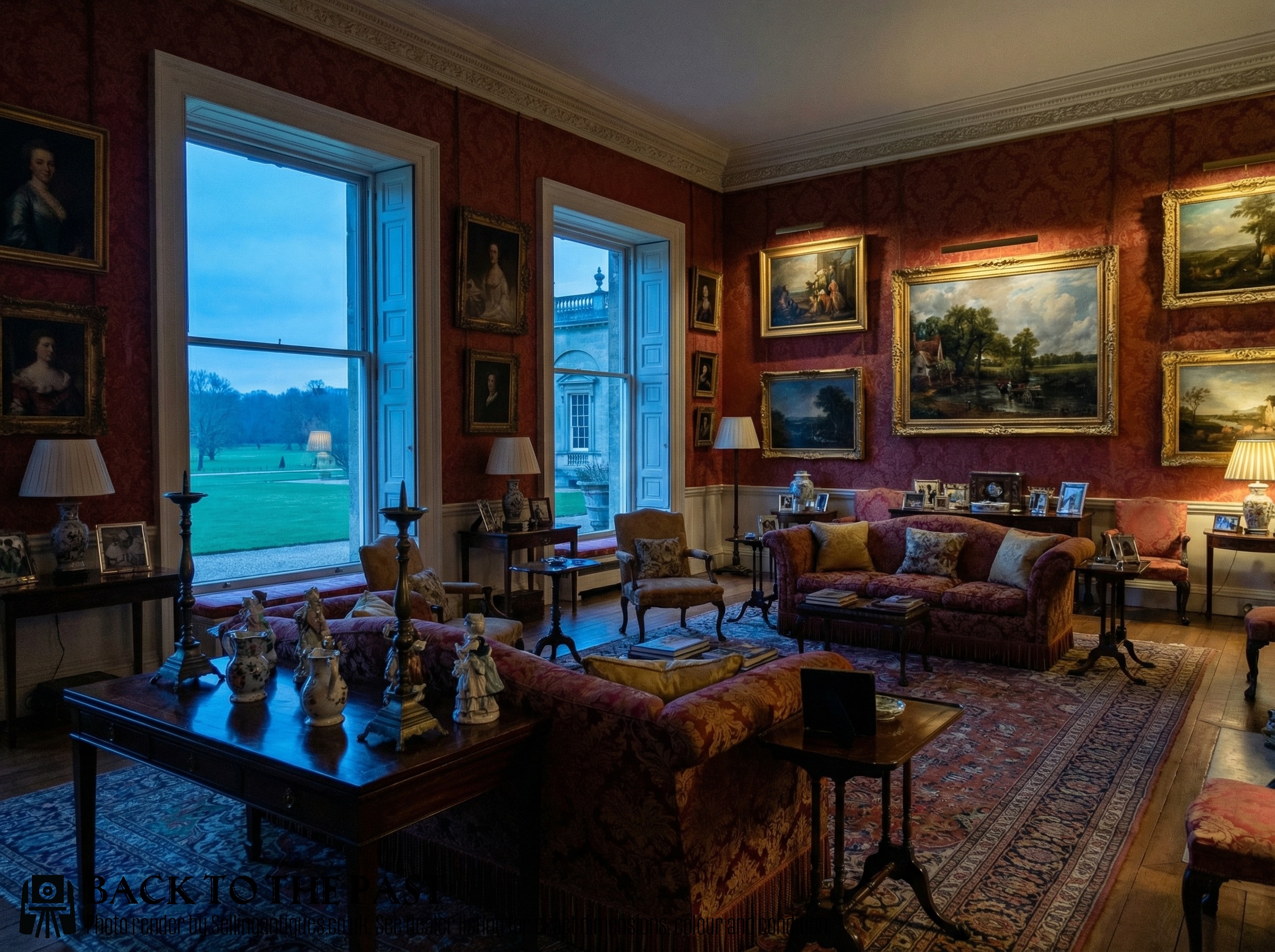
Metal Pricket Candle Stands
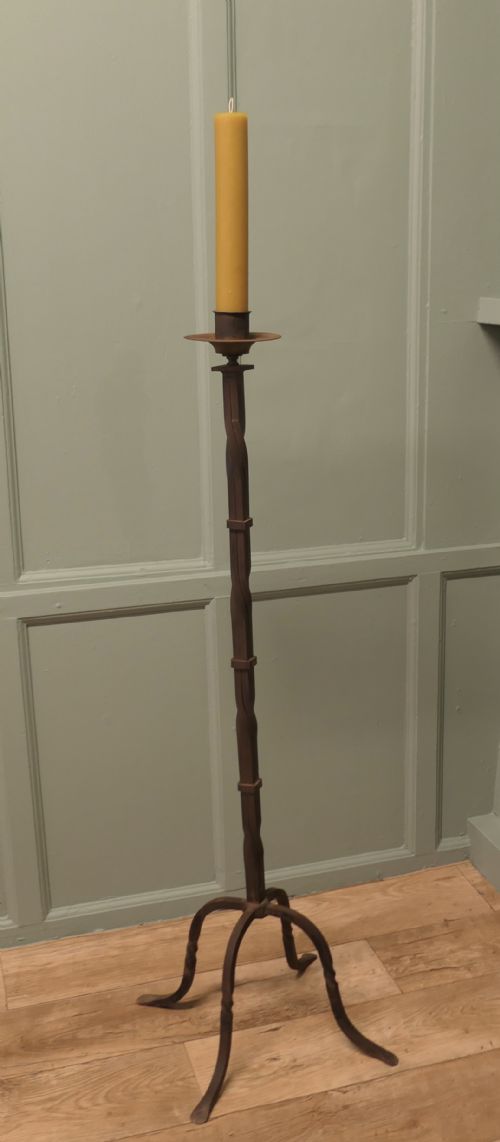
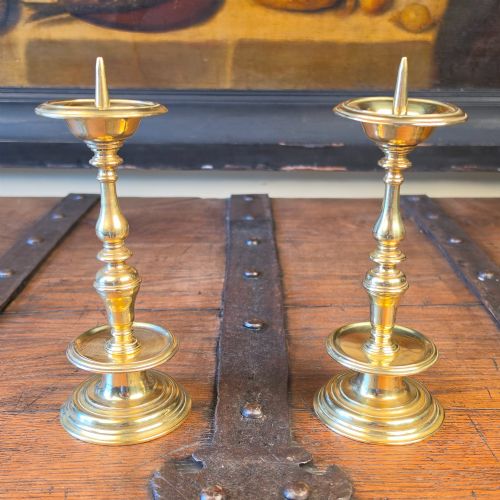
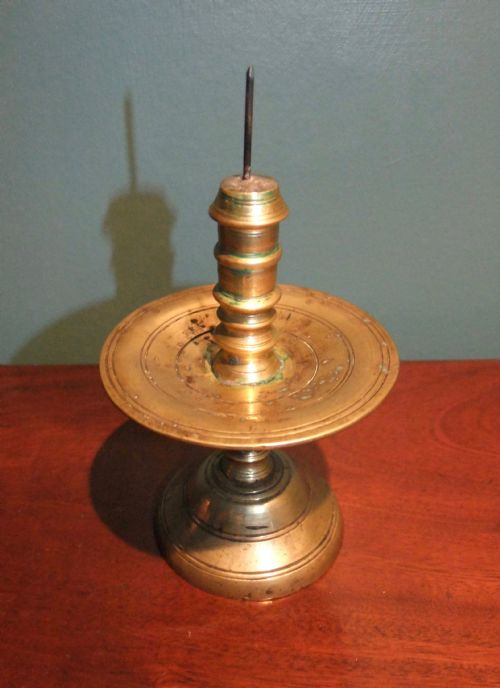
Metal pricket candle stands are functional lighting pieces designed with a central spike rather than a socket to hold heavy wax candles. When searching for metal pricket candle stands, buyers encounter items ranging from domestic tabletop candlesticks to tall floor-standing torcheres.
The selections span multiple periods, including 17th Century originals from the Low Countries alongside 18th Century Venetian examples and later 19th Century revivals. Formats vary from small pairs to large sets of four, encompassing both simple wrought iron and ornate cast metals.
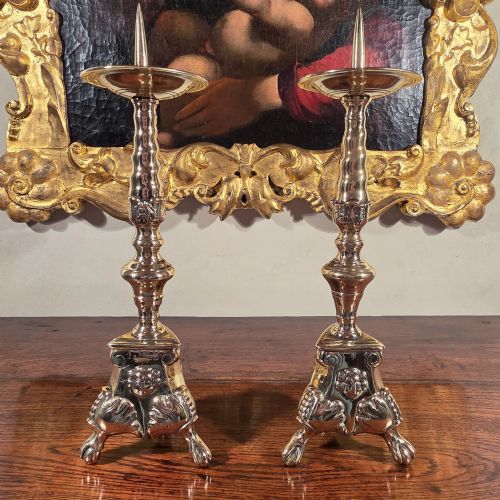
Stylistic influences observed across the inventory cover Gothic Revival, Baroque, Rococo, and Art Deco designs. These pieces function as decorative focal points or historical lighting instruments within traditional and eclectic interiors alike.
Materials and construction methods
Makers utilised durable metals such as brass, wrought iron, gilt bronze, and ormolu to construct these stands, frequently combining them with hardwood elements for stability. Brass casting and hand-wrought ironwork predominate, providing the structural integrity required to support heavy church or household candles.
Surface treatments involve gilding on bronze and metal, alongside patinated finishes developed over centuries of use and exposure to ambient conditions. Construction techniques range from forged iron joints to precision-cast and chased bronze components found in continental Baroque and Venetian workshops.
Listings feature items spanning the seventeenth to the twentieth centuries, utilising brass, wrought iron, gilt bronze, and hardwood.
Evaluating craftsmanship and proportion
Quality in these stands rests upon the crispness of casting detail, the weight of the metal used, and the integrity of the original pricket spike. Superior examples display refined chasing on gilt surfaces and well-balanced proportions across bases and stems.
The distinction between standard domestic items and high-end continental pieces lies in the complexity of the decorative motifs, such as elaborate Rococo scrollwork or precise Gothic Revival tracery. Retaining original patination and matched sets further elevates the standing of individual pieces.
The Metal Pricket Candle Stands Glossary
- Pricket
- A sharp metal spike projecting upwards from the drip pan to impale and secure a candle. This method predates the common socket candlestick.
- Torchere
- A tall ornamental stand or candlestick designed to carry a light. These often appear in pairs and elevated forms.
- Ormolu
- Finely ground high-carat gold applied to a bronze base using a mercury amalgamation process. This technique produces a rich, lasting metallic lustre.
- Baroque
- An ornate artistic style prevalent from the 17th century onwards, characterised by dramatic movement and exuberant detail. Pieces in this style often feature bold scrolling and rich surface ornamentation.
- Wrought iron
- Iron that has been heated and hammered into shape by hand. This material yields durable items bearing the subtle marks of the blacksmith's tools.
Metal Pricket Candle Stands: Frequently Asked Questions
What is a pricket candle stand?
A pricket candle stand is a lighting device that uses an upward-pointing metal spike to hold candles in place. This design was standard for large church and household candles before sockets became common.
Such stands provide a sturdy platform for heavy wax pillars, ensuring the candle remains upright as it burns down over time.
Were these used in homes?
While many large pricket stands served ecclesiastical functions in churches and chapels, domestic versions also existed for wealthy households. Smaller pairs provided ambient light in grand reception rooms and parlours.
Floor-standing torcheres and heavier brass stands illuminated large halls before the advent of modern electric lighting.
How should I clean antique metal?
Antique metal surfaces benefit from minimal intervention to preserve their historic patination and surface wear. Dusting with a soft, dry cloth is usually sufficient for regular maintenance.
Harsh chemical polishes should be avoided, as they strip away centuries of ageing and can damage delicate gilt or bronze finishes.