
Post Impressionist Painting Framed
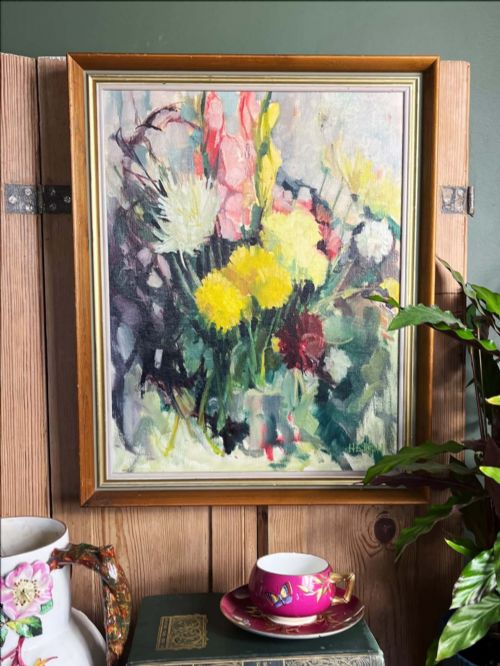
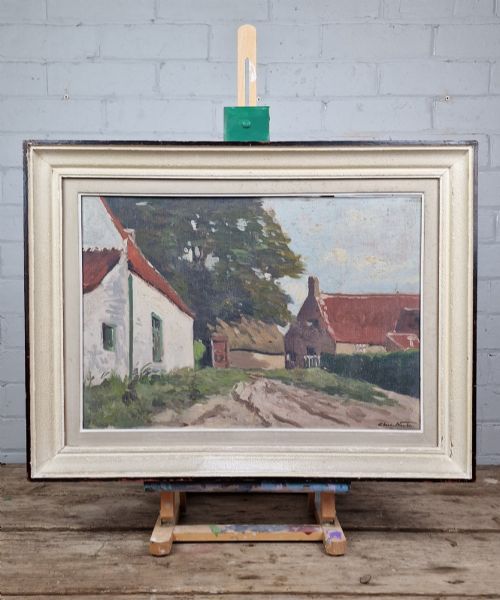
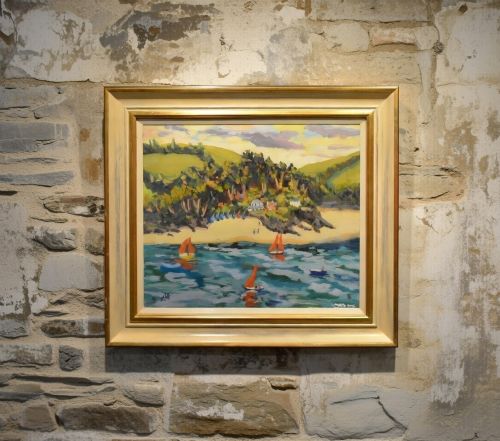
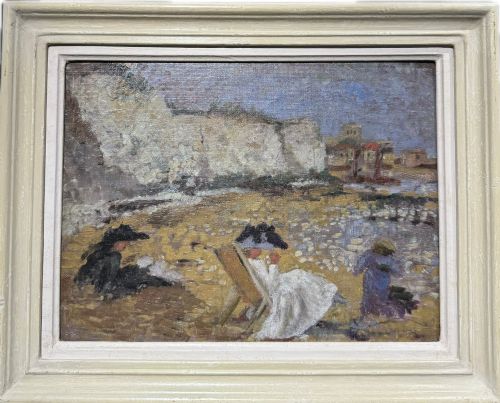
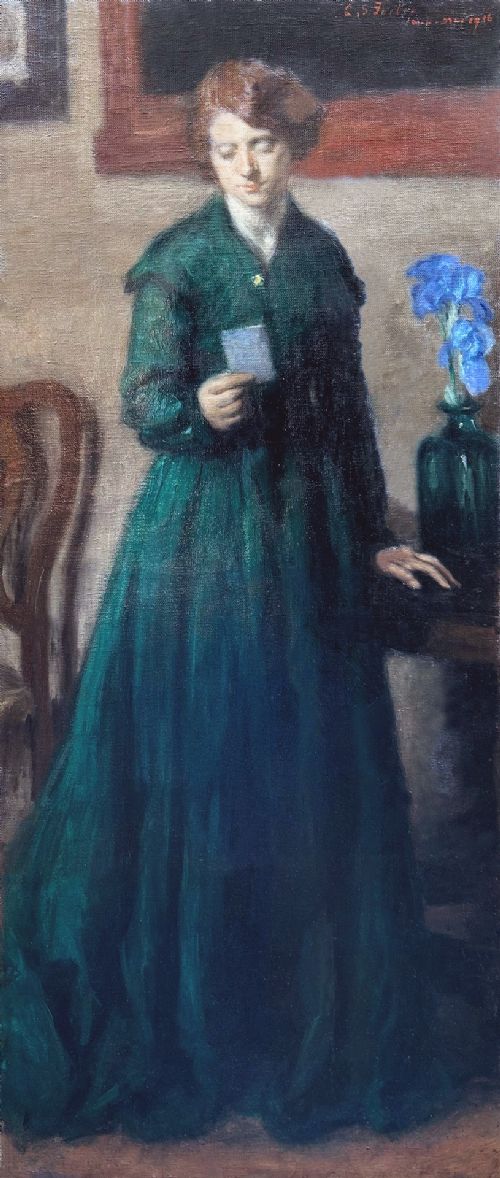
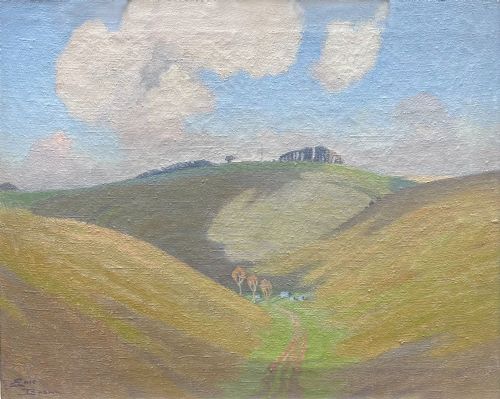
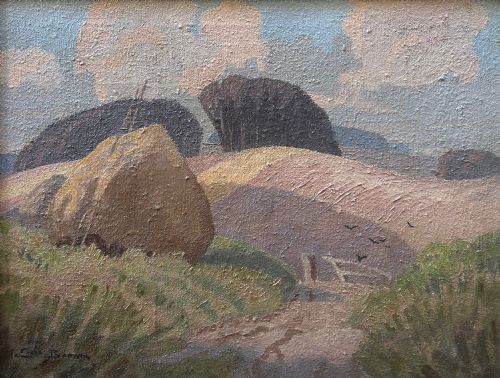
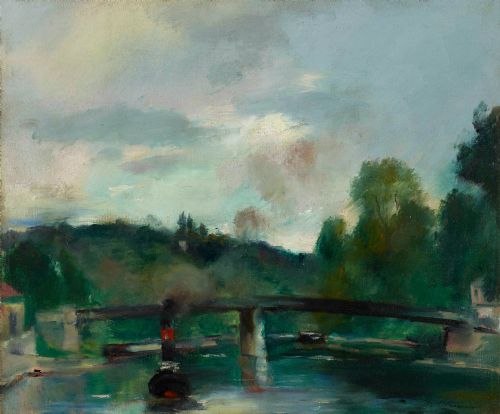
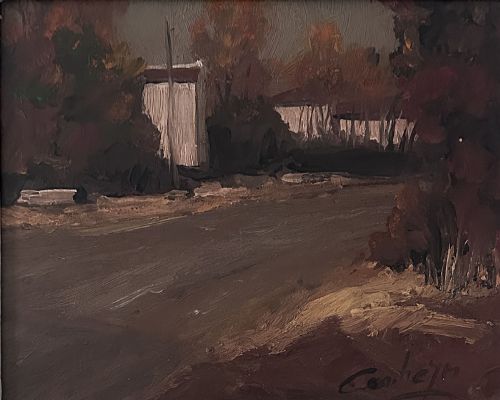
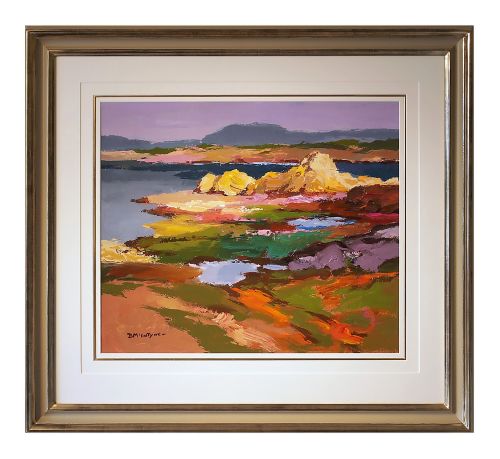
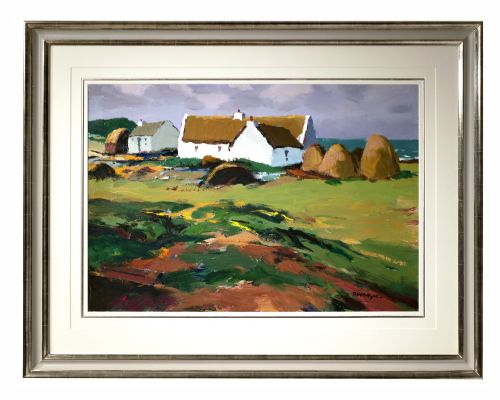
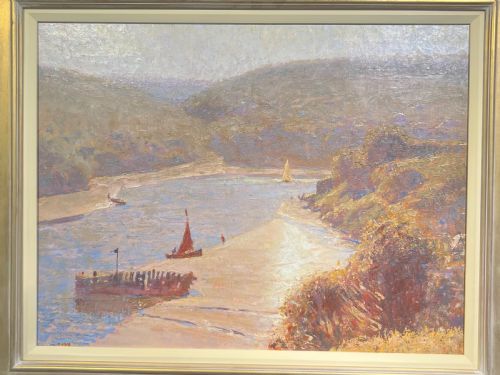
Post impressionist painting framed pieces bring expressive brushwork, bold colour palettes, and textured surfaces into interior spaces.
Post Impressionist Painting Framed
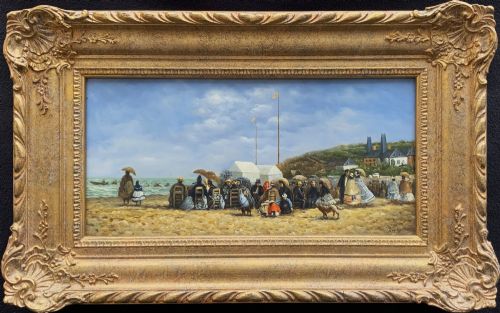
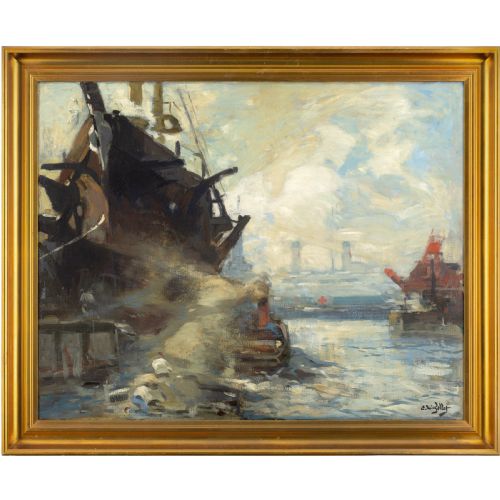
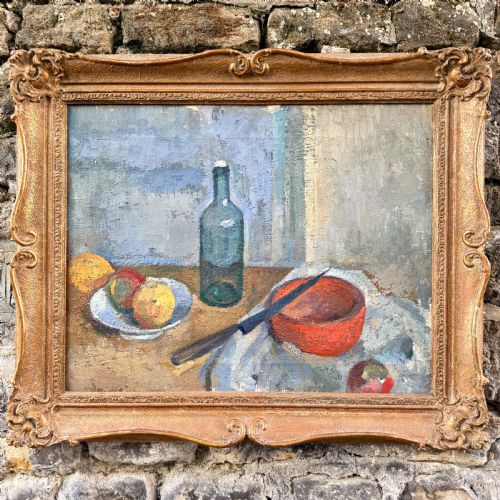
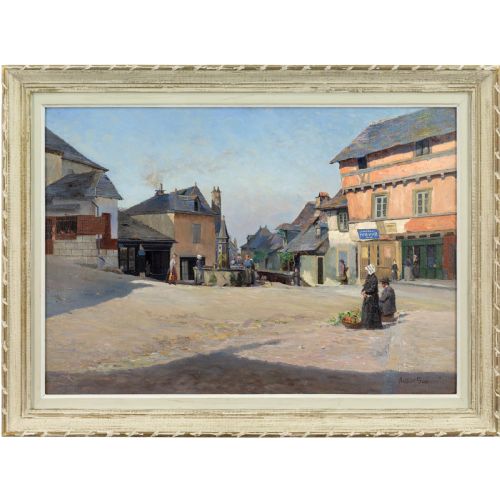
When searching for a post impressionist painting framed piece, buyers encounter works spanning from the late nineteenth century through to the mid-twentieth century. These artworks capture landscapes, intimate interiors, and still lifes created by British and European artists working within impressionist, modernist, and post-impressionist traditions.
The most common versions met on this page include oil paintings on canvas or board, alongside mixed media drawings and works on paper, housed in protective frames. Many examples originate from French and British schools, reflecting regional coastal scenes, village views, and floral subjects.
Compositions often prioritise emotional resonance and subjective colour over strict academic realism. The included framing ranges from simple wood profiles to ornate gilt or gesso mouldings that complement the painting style.
Materials and Techniques
Artists primarily applied oil paint to stretched canvas, wooden panels, or rigid board supports using vigorous brushstrokes and thick impasto. Some creators utilised gouache, ink, and watercolour on paper to achieve lighter, more translucent tonal effects.
Frames incorporate traditional timber construction enhanced with carved gesso details and gilded or painted finishes. These surrounds protect the edges of the canvas or panel while framing the visual depth of the composition.
Listings feature works executed on canvas, wood panel, board, and paper across the nineteenth and twentieth centuries.
Evaluating the Range
Quality separates through the assuredness of the handling and the cohesion of the colour relationships across the surface. A stronger work demonstrates deliberate mark-making that defines light and atmosphere with economy and precision.
The relationship between the artwork and its frame also dictates overall integrity. Well-matched frames respect the period of creation and enhance the visual weight of the painted surface without overpowering the composition.
Eugène-Louis Gillot·Arthur Gué·Charles Houben·Ethel Sands·Charles Stuart Forbes·Eric Brown·Henri Ottmann·Donald McIntyre·Cecil Allan Mould·Rene Levrel·Henry de Waroquier·Alexander Jamieson·Paul-Élie Gernez·Ronald Ossory Dunlop·Victor Simonin·Hubert Wellington·Paul-Jean Anderbouhr·Edouard Julien·Henri Vincent-Anglade·Louis Suire·Jean-Baptiste Olive·George Turland Goosey·André Prévot-Valéri·Merio Ameglio·Edward Seago
The Post Impressionist Painting Framed Glossary
- Impasto
- Paint applied thickly to a canvas or board, standing visibly out from the surface and retaining the marks of the brush or palette knife. This technique adds tactile dimension to the visual field.
- Gesso
- A plaster-like mixture applied to wooden frames or panels to prepare a smooth surface for gilding or painting. It creates a solid base for ornate mouldings.
- Gilt
- A thin layer of gold leaf or gold paint applied to the surface of a frame. It provides a reflective border that isolates the painting from its surroundings.
- Provenance
- The documented history of ownership of an artwork tracing its origin back to the creator. Clear records support the authenticity and attribution of the piece.
- Board
- A rigid flat substrate used instead of canvas for painting. Artists frequently utilised wood panels or card for smaller outdoor studies.
Post Impressionist Painting Framed: Frequently Asked Questions
How do I hang a framed oil painting safely?
Select a wall space away from direct sunlight and rapid temperature fluctuations to protect the canvas and wooden support.
Ensure the hanging wire and wall fixings match the weight of the framed piece securely.
What is the difference between canvas and board supports?
Canvas is woven fabric stretched across a wooden frame, offering slight flexibility and traditional texture.
Board provides a completely rigid surface made from wood or thick card, often used for smaller en plein air studies.
How can I tell the period of a painting?
Examine the materials of the stretcher bars, canvas weave, and framing construction alongside any artist signatures or dates.
Stylistic indicators such as brushwork and subject matter also help narrow the decade of production.