
Post Impressionist Oil Artwork
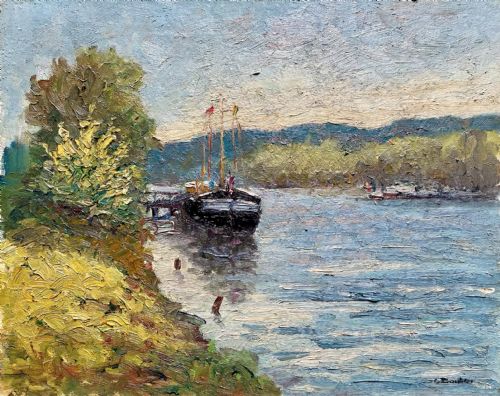
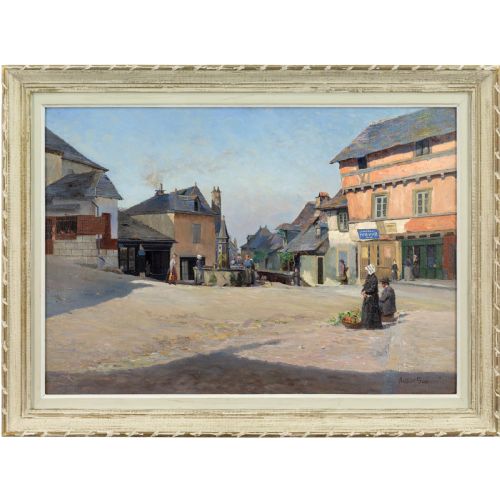
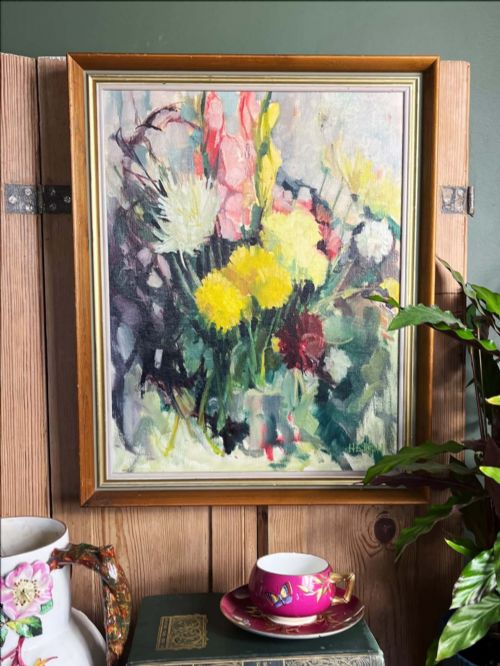
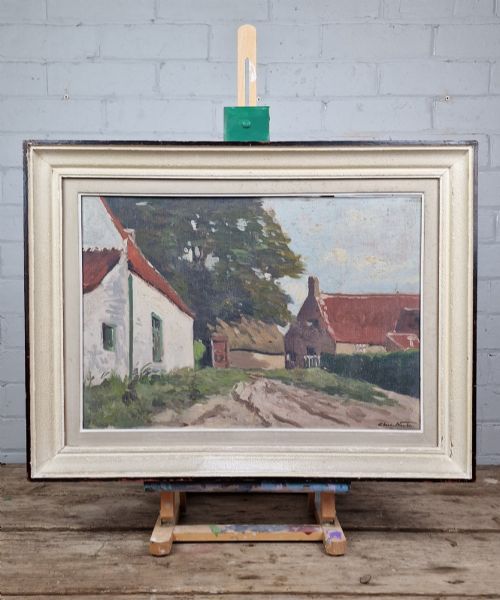
Post impressionist oil artwork captures light and mood through expressive brushwork, offering buyers a vivid window into early twentieth century visual culture.
Post Impressionist Oil Artwork
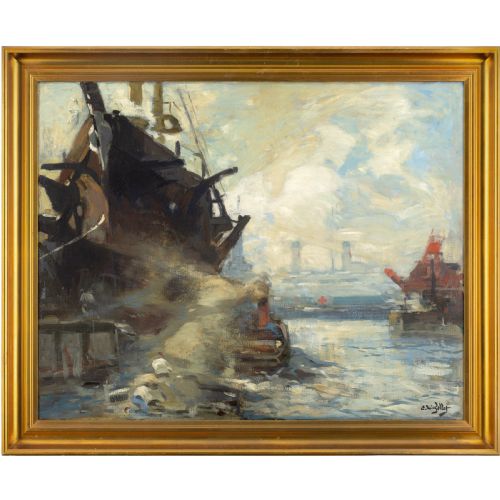
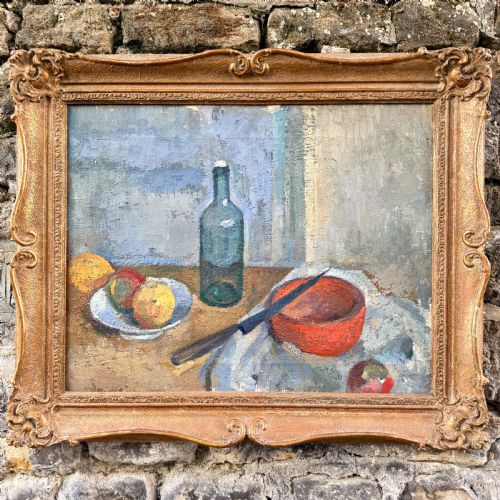
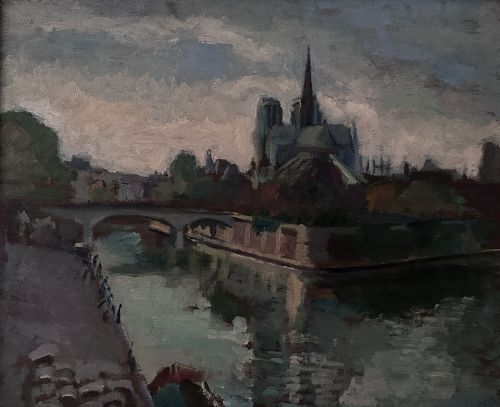
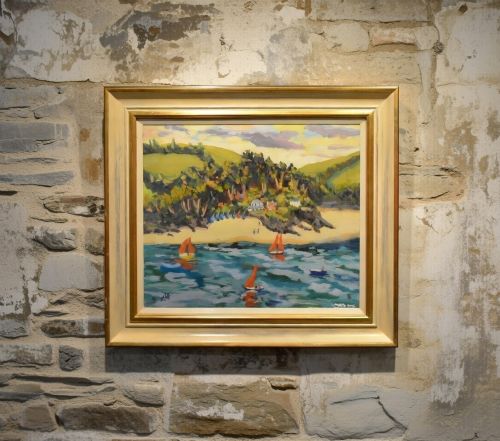
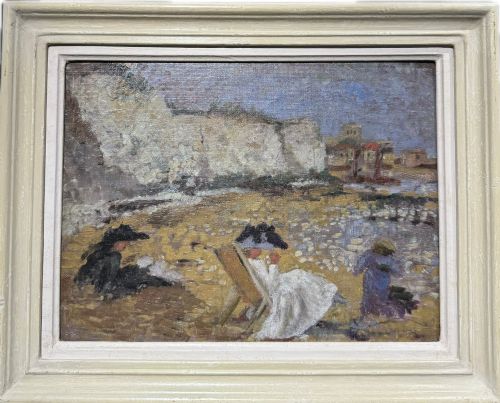
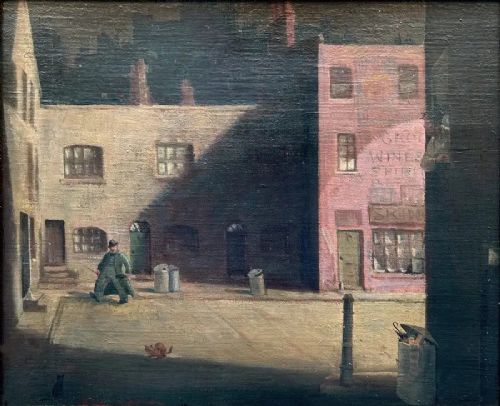
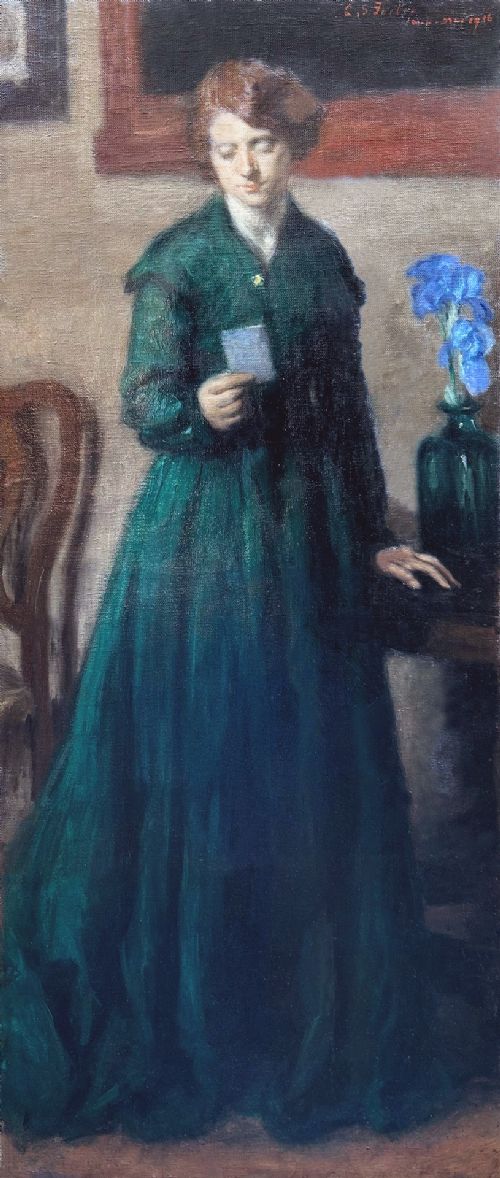
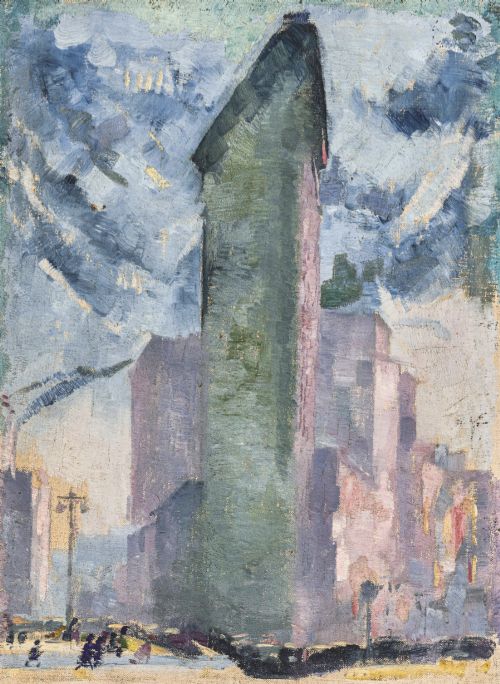
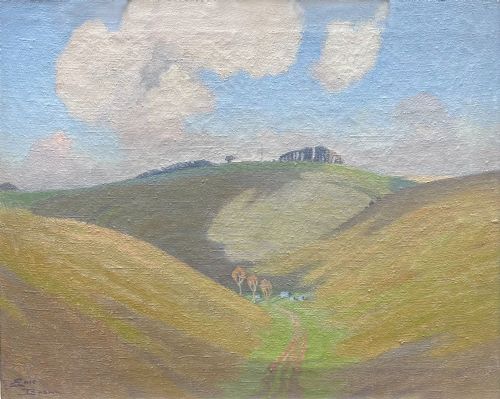
A buyer examining post impressionist oil artwork encounters painted scenes spanning from the nineteenth century through the mid twentieth century, with strong representation from the nineteen tens and nineteen twenties. These pieces typically take the form of framed oil paintings on canvas, board, or wood panel depicting coastal landscapes, street scenes, and domestic interiors.
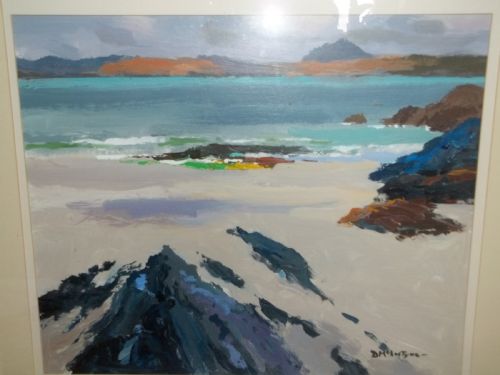
The aesthetic bridges traditional representation and modern experimentation, capturing specific locations in France, Britain, and Belgium. Landscapes from Normandy and Brittany sit alongside still lifes and architectural studies executed by named European painters and anonymous hands alike.
Materials and construction
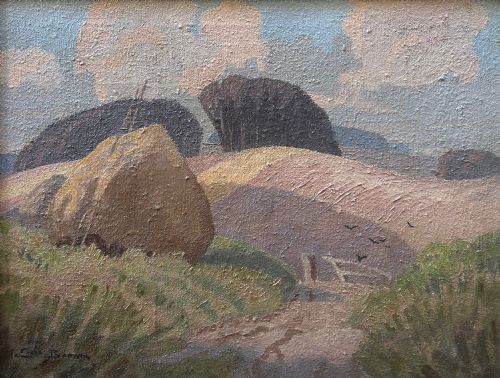
Makers applied oil paint directly to stretched canvas, wooden panels, or cardboard backing, often building tactile surfaces with thick impasto techniques. Gilt wood frames frequently accompany these panels, providing structural borders that complement the painted compositions.
Support materials vary by period and artist preference, with wooden boards and canvas providing the rigid or flexible foundation for pigments. Brushwork ranges from smooth tonal blending to rapid, visible strokes that define the post impressionist method.
Regional French and British landscapes dominate the inventory, including views of Normandy, Brittany, and coastal fishing ports.
Quality factors
Quality rests in the confidence of the brushwork and the clarity of the composition, distinguishing masterly handling of light from rigid academic exercises. The vitality of the pigment application and the coherence of the colour palette determine the visual strength of each canvas.
Provenance and attribution elevate individual pieces, particularly when works bear signatures or document specific regional schools and historical moments. The preservation of the original painted surface and its matching gilt frame contributes to the integrity of the object.
Eugène-Louis Gillot·Arthur Gué·Charles Houben·Alfred Wolmark·Eric Brown·Henri Ottmann·Donald McIntyre·Alexander Jamieson·Paul-Élie Gernez·Ronald Ossory Dunlop·Victor Simonin·Hubert Wellington·Paul-Jean Anderbouhr·Edouard Julien·Henri Vincent-Anglade·Louis Suire·Jean-Baptiste Olive·George Turland Goosey·André Prévot-Valéri·Merio Ameglio
The Post Impressionist Oil Artwork Glossary
- Impasto
- Paint applied thickly to a canvas or board, standing out in relief from the surface and showing distinct brush or palette knife marks. This technique adds tactile dimension to the composition.
- Panel
- A flat piece of wood or other rigid material used as a support for painting instead of stretched canvas. Artists often utilised panels for smaller plein air works.
- Plein air
- Painting outdoors to capture natural light and atmospheric conditions directly on the canvas. This approach shaped the practices of many impressionist and post impressionist painters.
- Provenance
- The documented history of ownership of an artwork, tracing its path from the creator's studio to the present market. Clear provenance verifies authenticity.
- Stretched canvas
- Woven fabric held taut over a wooden frame, serving as a primary base for oil paintings. It remains a standard support across many modernist schools.
Post Impressionist Oil Artwork: Frequently Asked Questions
How do I identify post impressionist oil artwork?
Look for loose, expressive brushwork, non-naturalistic use of colour, and subjects drawn from everyday life or landscapes. These pieces often date from the early twentieth century and show the influence of French and British modern movements.
Examine the back of the canvas or panel for signatures, labels, or stamps that provide clues about the artist or framing history. The presence of impasto texture and oil paint on board or canvas further confirms the medium.
Where were these paintings created?
The majority of these works originate from European art centres and rural painting regions, particularly in France, Britain, and Belgium. Coastal towns in Normandy and Brittany, alongside city streets in Paris, appear frequently as subjects.
Artists travelled to specific locations to capture local light and atmosphere, establishing regional painting hubs like the St Ives School. Their works reflect both local topography and broader continental stylistic trends.
How should I display an oil painting?
Hang paintings away from direct sunlight and extreme temperature fluctuations to protect the oil paint and canvas support. Stable indoor environments prevent the wood panels and canvas from warping or cracking over time.
Pair the artwork with a compatible gilt wood or simple frame that suits the period of the piece. Ensure the hanging hardware securely supports the weight of the framed panel.
What subjects are most common?
Common subjects include coastal seascapes, rural farmyards, architectural landmarks like cathedrals, and intimate domestic interior scenes. Artists frequently painted the natural light of gardens, riversides, and busy public squares.
Still lifes featuring flowers and everyday objects also appear regularly across these decades. Each subject allowed painters to experiment with colour relationships and gestural mark-making.