



Vintage Rustic Landscape Painting
When you search for vintage rustic landscape painting, you meet pastoral views and quiet farmyards captured by painters working across the nineteenth and twentieth centuries.
Vintage Rustic Landscape Painting
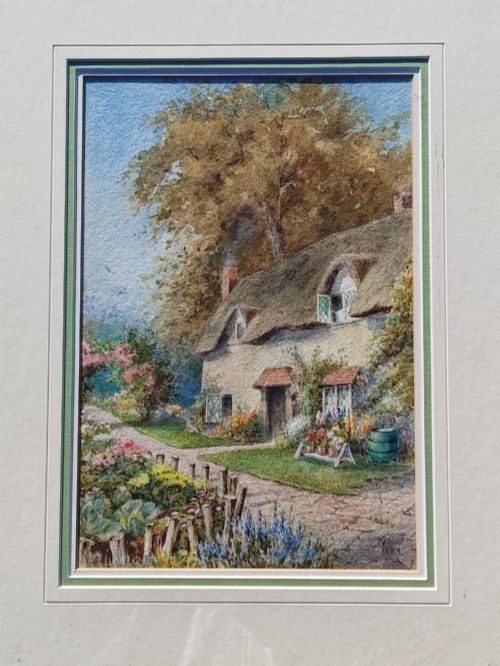
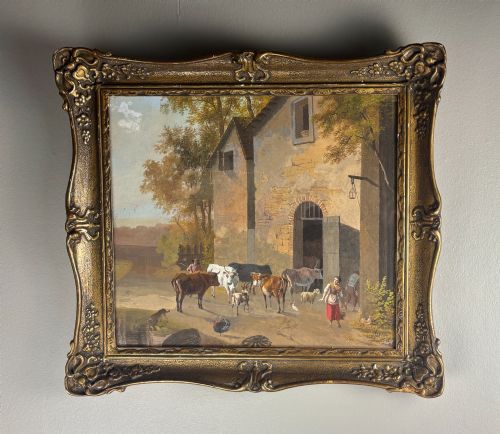
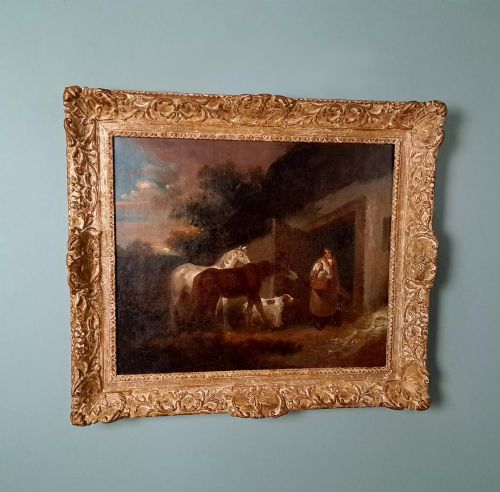
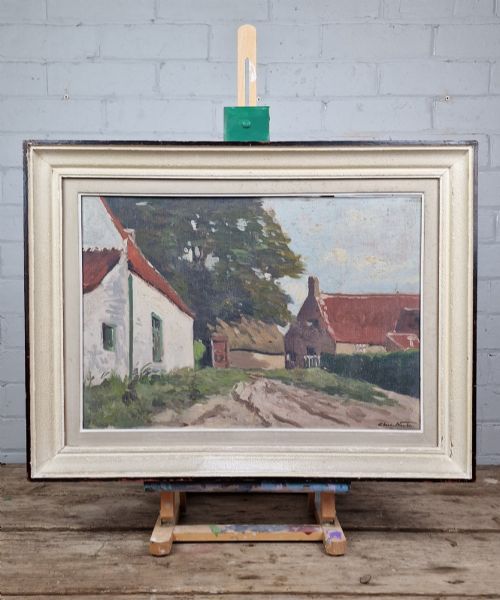
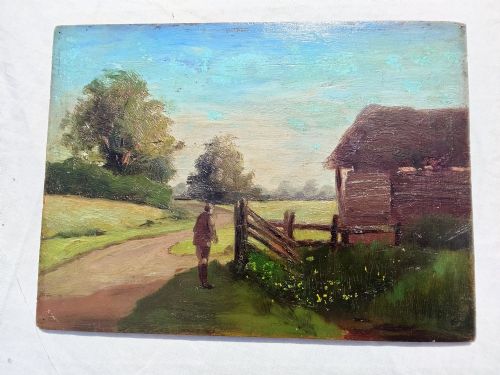
A vintage rustic landscape painting brings traditional countryside scenery into an interior, depicting thatched cottages, farmyards, rivers and agricultural life. These works emerge from several periods, spanning Victorian, Edwardian and mid-twentieth-century movements.
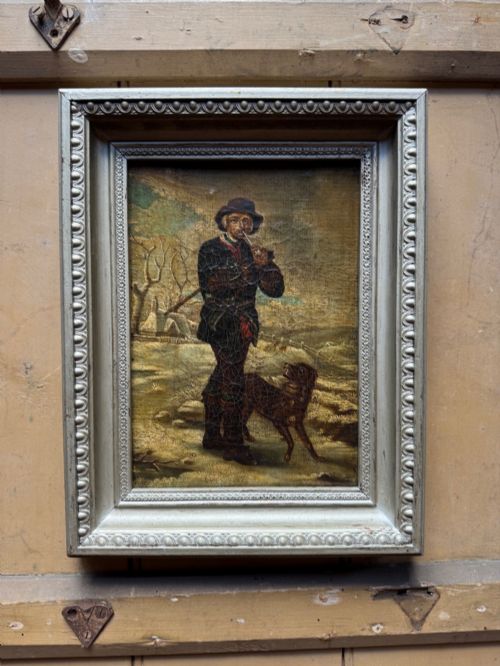
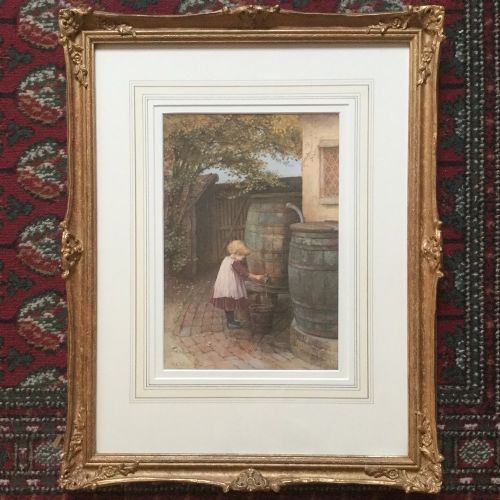
The format varies from intimate watercolours on paper to substantial oil paintings on canvas and wooden boards. Subjects frequently focus on rural workers, livestock and farming landscapes rooted in British and European schools.
What Varies in Quality
The strength of composition and the handling of light and atmosphere separate ordinary studio output from accomplished works by named artists. Brushwork vitality and the convincing depiction of rural atmosphere dictate the visual impact of the piece.
The integrity of the original surface, the preservation of the pigment and the harmony of the accompanying period frame contribute significantly to the standing of an individual painting.
Listings feature works spanning the nineteenth and twentieth centuries, utilising canvas, paper, wood, oil paint and watercolour across multiple British and European art schools.
William Joseph Shayer Senior·Charles Houben·Thomas Hicks·Henry John Yeend King·John Atkinson·Charles Vickers·James William Booth·Fred Stead·Abraham Hulk Junior·Thomas Spinks·David Woodlock·Henry Sylvester Stannard·John R. K. Duff·Robert McGregor·William Manners·George Hamilton Constantine·Walter Henry Sweet·Thomas Nicholson Tyndale
The Vintage Rustic Landscape Painting Glossary
- Oil on Canvas
- Pigment mixed with drying oil applied to a woven fabric stretched across a wooden frame. This primary support allows for rich impasto and deep tonal blending.
- Watercolour
- Paint consisting of water-soluble pigments suspended in a water-based solution, typically applied to paper. It yields translucent washes well-suited to atmospheric skies and subtle rural lighting.
- British Impressionism
- A late nineteenth and early twentieth-century painting style focusing on everyday subjects and natural light. Practitioners rejected rigid academic studio conventions in favour of en plein air observation.
- Provenance
- The documented history of ownership of an artwork. A clear lineage helps establish authenticity and historical context.
- Gouache
- An opaque water-based paint made from pigments bound in water-soluble gum. It produces matte, solid colour areas often utilised in detailed topographical and landscape works.
Vintage Rustic Landscape Painting: Frequently Asked Questions
How do I date a landscape painting?
Examine the materials, stretcher construction, framing style and any signatures or inscriptions on the reverse of the canvas or board. Stylistic clues within the clothing of depicted figures and agricultural equipment also provide reliable chronological markers.
Comparing the handling of pigment and the chosen school of painting against known works from specific decades helps narrow the period of creation.
What is the difference between oil and watercolour?
Oil paint utilises a drying oil binder that creates thick, textured applications and rich, deep colours on canvas or wood. Watercolour employs water-soluble pigment on paper, producing delicate, luminous washes.
Oils are traditionally varnished for protection, whereas watercolours require framing beneath glass to prevent environmental damage.
How should I hang and light these paintings?
Position paintings away from direct sunlight and steady sources of artificial heat to protect the pigments and wooden supports from fading or warping. Stable indoor humidity prevents canvas tension issues and cracking in older oil paints.
Use dedicated picture lights with low-heat LED bulbs to illuminate the canvas evenly without causing thermal stress to the paint layer.
Are these works signed by the artist?
Many examples feature a signature or monogram in the lower corner, while others remain attributed to specific schools or followers of major painters. Unsigned works frequently rely on subject matter, technique and period framing for attribution.
Examine the canvas reverse and stretcher bars for hidden inscriptions, gallery labels or artist stamps that confirm authorship.