

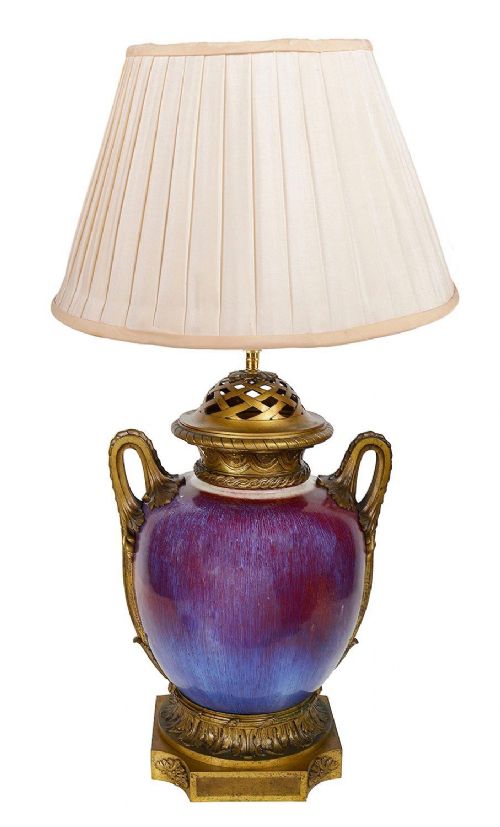


Porcelain Vase Table Lamp
These porcelain vase table lamps bring centuries of ceramic artistry and ambient light into a room, combining transformed vessels with fitted electrical hardware.
Porcelain Vase Table Lamp
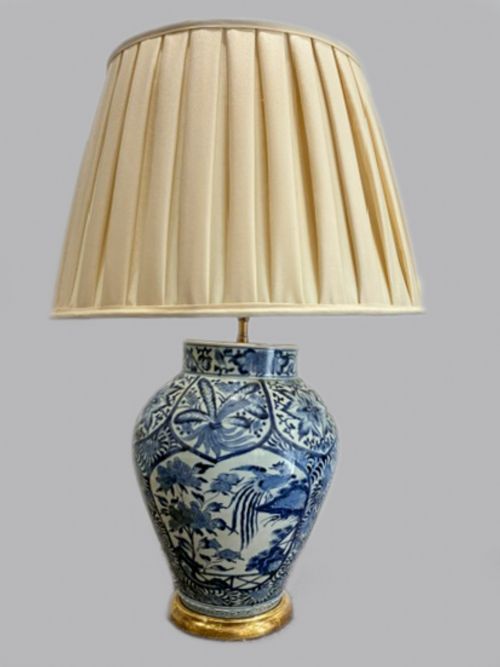
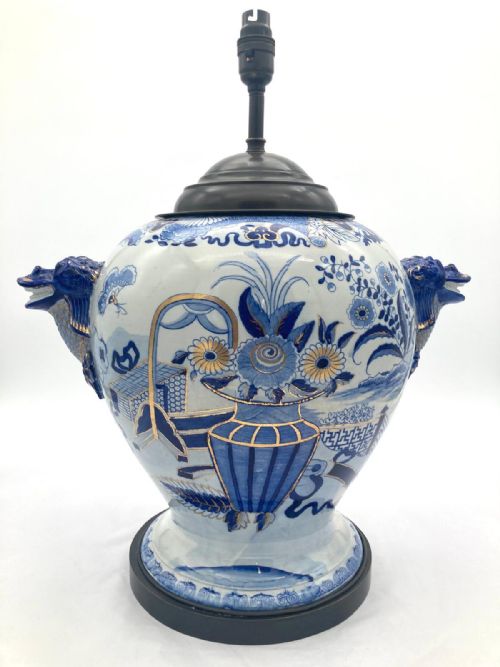
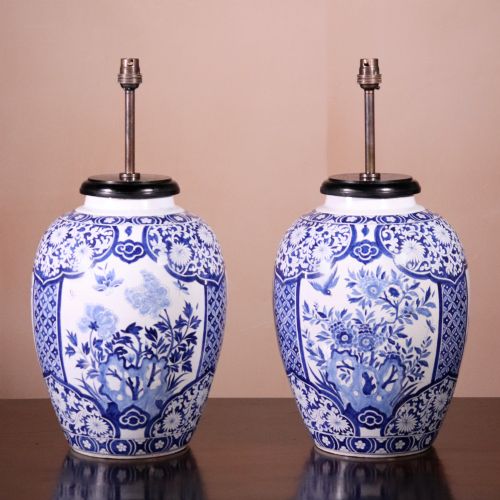
A porcelain vase table lamp starts as an antique vessel, frequently originating from Chinese kilns of the eighteenth and nineteenth centuries or Japanese workshops of the Meiji period, which has been subsequently adapted for household lighting. These pieces take various ceramic forms, including ginger jars, baluster vases, and ovoid lidded vessels, often discovered as matched pairs suited for sideboards or mantelpieces.
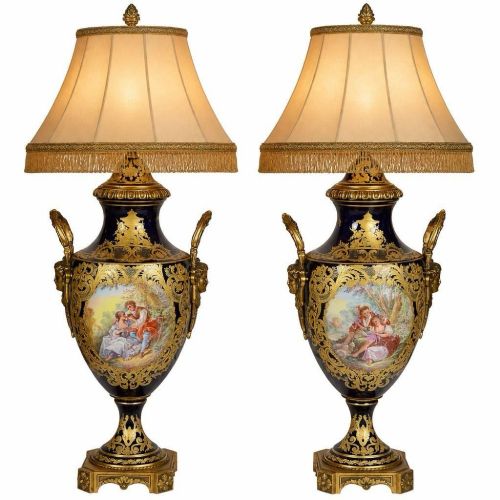
Beyond East Asian exports, European makers are represented through French Sevres style bodies, English ironstone, and Dutch delftware turned to domestic illumination. The selection includes monumental floor-standing items alongside petite nineteenth-century examples, reflecting diverse historical tastes for incorporating foreign porcelain into Western interiors.
Assessing quality in converted vessels
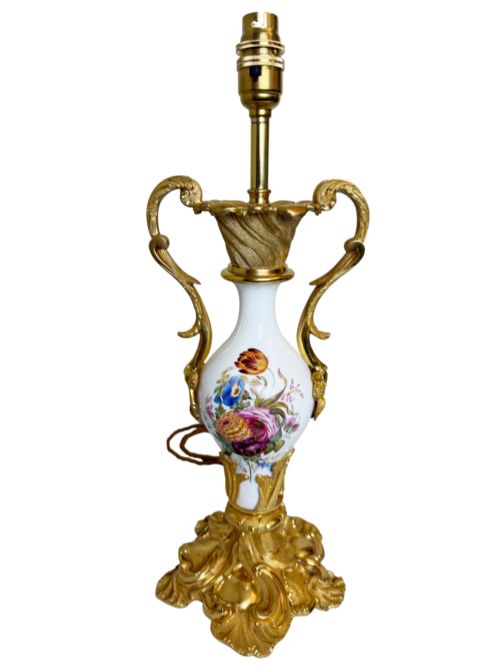
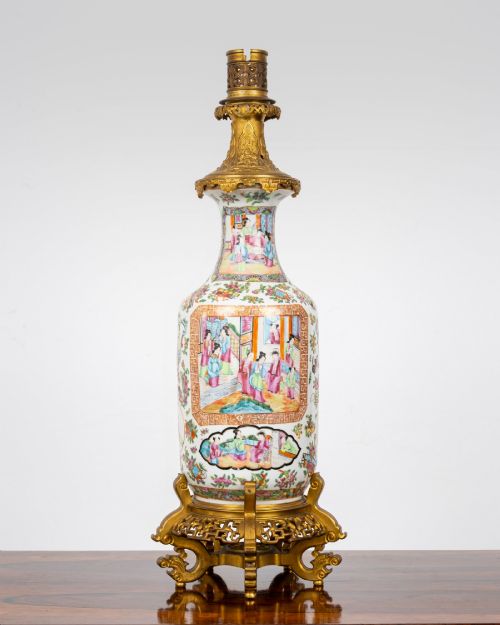
Quality rests significantly on the provenance and condition of the underlying ceramic vessel, where crisp hand-painted underglaze blue, detailed enamel work, and intact surface gilding distinguish superior artistic output. The integration of metal mounts also dictates overall merit, as finely cast ormolu or gilt bronze fittings demonstrate a higher tier of craftsmanship than simpler brass hardware.
Proportion and harmony between the vase body and the added mounts govern the visual success of the piece, separating balanced conversions from those where the lighting elements overpower the antique ceramic. Furthermore, the reversibility of the conversion method and the preservation of the original porcelain foot and rim influence the desirability among collectors.
Porcelain Vase Table Lamp Retail Price Guide 2026
Typical asking prices for porcelain vase table lamp among the pieces listed under this phrase on Sellingantiques today, from the lower quarter to the upper quarter. They describe what is for sale here now, not the wider market.
The Porcelain Vase Table Lamp Glossary
- Ormolu
- Gilt brass or bronze applied as decorative mounts to the base or neck of a porcelain vase table lamp. This technique was frequently utilised by French makers to elevate Asian export ceramics.
- Famille Rose
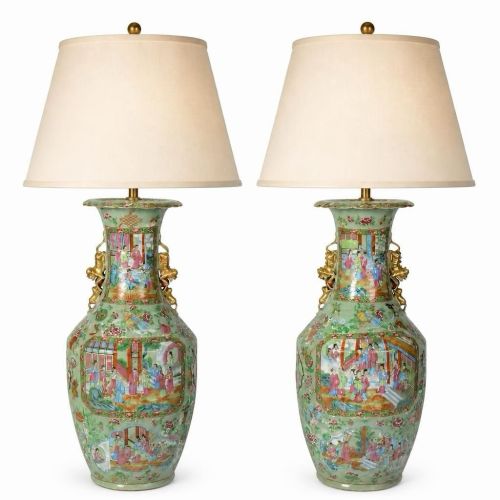
- A palette of opaque enamel colours dominated by pink or rose tones, introduced to Chinese porcelain during the Qing dynasty. It appears widely on nineteenth-century lamp conversions.
- Baluster
- A vase shape characterised by a rounded body that tapers toward a narrow neck and flares at the base. This classic silhouette provides stable proportions for table lighting.
- Satsuma
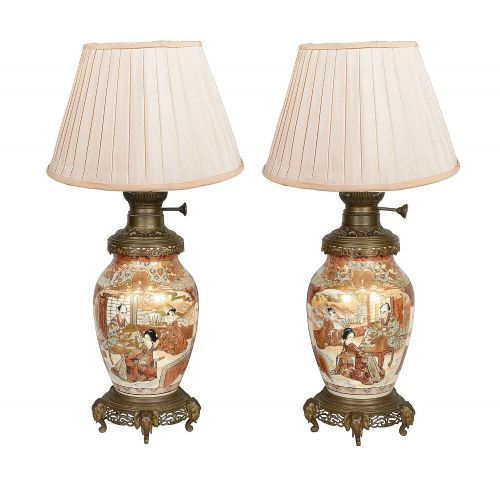
- A type of Japanese earthenware featuring a crackled ivory glaze and elaborate polychrome and gilt decoration. These pieces are frequently encountered as converted lamps from the Meiji period.
- Celadon
- A pale green jade-like glaze applied to high-fired porcelain. The subtle tone brings a quiet, reflective quality to large vase lamps.
Porcelain Vase Table Lamp: Frequently Asked Questions
Are these lamps converted from old vases?
Most of these pieces are indeed historic vases, jars, or ginger pots that have been professionally adapted into lighting over the last two centuries. The process allows antique ceramics to serve a functional purpose in modern rooms.
Makers often added weighted bases and internal brass rods to secure the electrical fittings while preserving the decorative panels of the original ceramic body.
How do I date an antique lamp?
Dating relies primarily on the style, paste, and glaze of the ceramic body rather than the electrical components, which are usually modern replacements. Evidence from Chinese export periods, Japanese Meiji designs, and nineteenth-century European factories helps establish the era of the vase.
Metal mounts and patination on the hardware can also offer clues, though the ceramic remains the most reliable indicator of age.
Do they come in pairs?
Many listings feature balanced pairs of matching lamp bases, which were originally decorative garniture vases or matched export pieces. Symmetrical pairs suit placement on matching side tables or at opposite ends of a long sideboard.
Single lamp options also appear frequently for accent lighting on smaller desks or corner tables.
How do I care for the ceramic and mounts?
Maintenance requires gentle dusting with a soft, dry cloth to protect both the delicate overglaze enamels and the metal mounts. Avoid using harsh chemical cleaners or abrasive polishes on the porcelain surface or the gilt bronze.
Checking the wiring periodically ensures safety, particularly on older conversions that utilise historical metal fittings.