

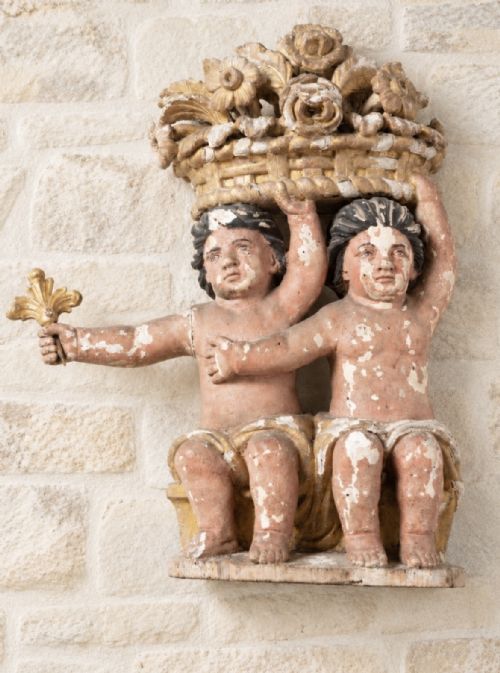


Polychrome Wooden Angel
A polychrome wooden angel brings vivid colour and carved devotion into a room, capturing centuries of religious art from Italy, France, and Thailand.
Polychrome Wooden Angel
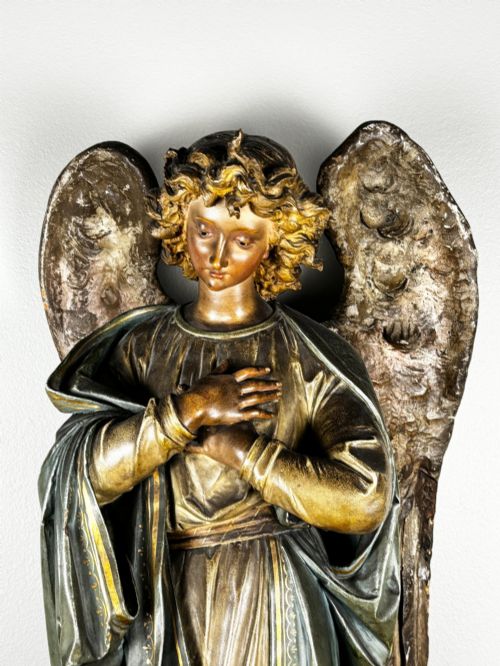
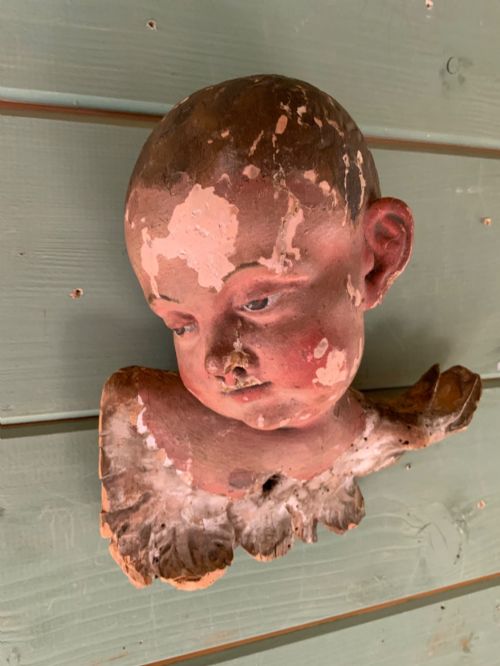
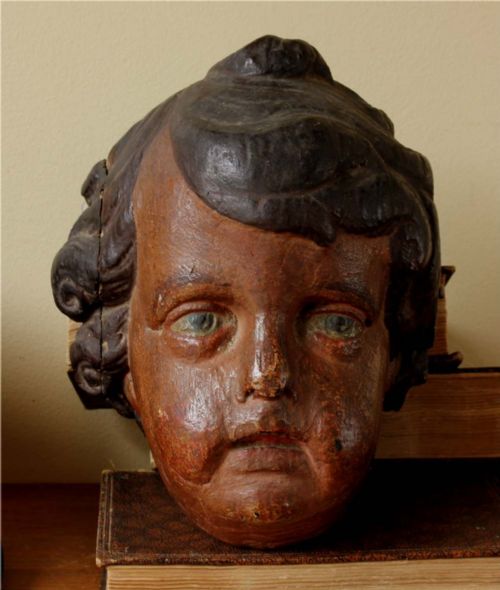
A polychrome wooden angel spans centuries of devotional carving, taking the form of large guardian figures, cherub heads, putti on clouds, and wall panels. These sculptures range from the seventeenth century through the nineteenth century, reflecting diverse regional interpretations of sacred figures.
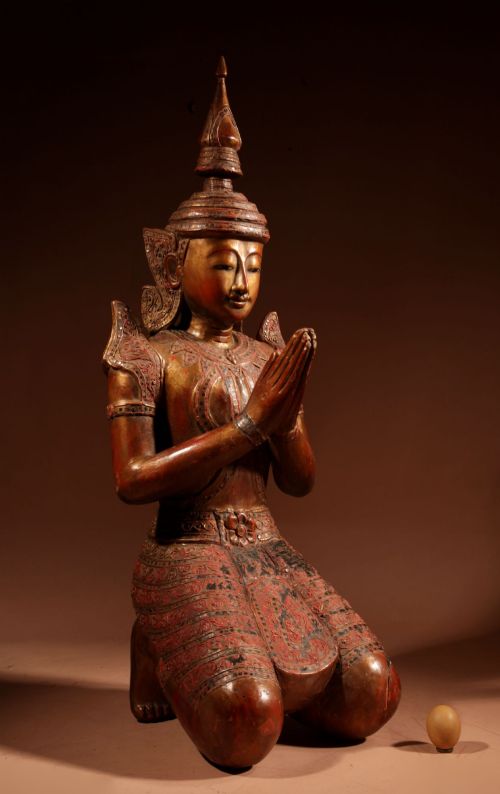
Italian Baroque and French examples dominate the selection, often appearing as pairs of angels or individual putti adorned with layered paint and gilt surfaces. Thai guardian figures from the early twentieth century also emerge in the listings, offering an alternative tradition of carved wooden devotion.
Buyers encounter sculptures ranging from substantial wall sculptures to smaller decorative carvings and altar figures. Each piece displays the distinct regional aesthetic of its period, whether through theatrical Italian styling or serene Thai craftsmanship.
How they were made
Carvers shaped these figures from solid wood before applying layers of gesso to create a smooth base for subsequent painting and gilding. Artisans then used polychrome paint to render garments, flesh tones, and hair with striking visual depth.
Gold leaf and silvered finishes frequently accent the carved surfaces, applied over bole to catch the light in dim church interiors or domestic settings. Lacquer and traditional pigments complete the decorative scheme on pieces originating from Asian workshops.
Polychrome Wooden Angel Retail Price Guide 2026
Typical asking prices for polychrome wooden angel among the pieces listed under this phrase on Sellingantiques today, from the lower quarter to the upper quarter. They describe what is for sale here now, not the wider market.
Materials recorded across the inventory include gesso, gold leaf, lacquer, and polychrome paint applied to solid wood.
What varies in quality
The sophistication of the carving dictates the visual success of the piece, separating expressive, fluid drapery and anatomically convincing putti faces from stiffer provincial work. Master carvers achieved a sense of movement and volume in wood that lesser hands missed.
The preservation of the original polychrome surface and gilding determines the integrity of the object. Pieces retain varying degrees of their early paint layers, where undisturbed ageing of the gesso and pigments provides a richness that modern touch-ups lack.
The Polychrome Wooden Angel Glossary
- Gesso
- A plaster mixture applied to wood as a base for painting or gilding. It provides a smooth, absorbent surface that holds pigments securely.
- Putto
- A representation of a bare-bodied young child, frequently winged, appearing in art from the Renaissance onwards. They often symbolise divine presence or decorative harmony in Baroque church furnishings.
- Baroque
- An artistic style prevalent from the seventeenth to the eighteenth century characterised by dynamic movement and theatrical grandeur. Italian iterations display particularly dramatic forms.
- Gilding
- The application of gold leaf or powder to a surface. This process enhances the decorative impact of carved wooden details.
Polychrome Wooden Angel: Frequently Asked Questions
What is a polychrome wooden angel?
A polychrome wooden angel is a carved wooden sculpture decorated with paint and often gold leaf, depicting a heavenly messenger or guardian figure.
These pieces originate from various European and Asian traditions, dating from the seventeenth century to the mid-twentieth century.
How were these angels used originally?
These carvings served primarily as religious art in churches, private chapels, and monastic settings, often adorning altars or architectural panels.
Some figures functioned as guardian guardians or decorative architectural elements within sacred spaces.
How do I live with a wooden angel?
Placing these sculptures in stable interior environments away from direct heat sources protects the fragile wood and historic paint layers.
Displaying them on brackets or mantelpieces allows the detailed carving and polychrome surface to be appreciated from multiple angles.
How do I tell periods apart?
Stylistic indicators such as the theatrical flourishes of Baroque design help distinguish seventeenth and eighteenth-century pieces from later nineteenth-century revivals.
Material preparation, tool marks, and the ageing patterns of the gesso and pigments also offer clues to the age of the carving.