

Polychrome Wood Statue
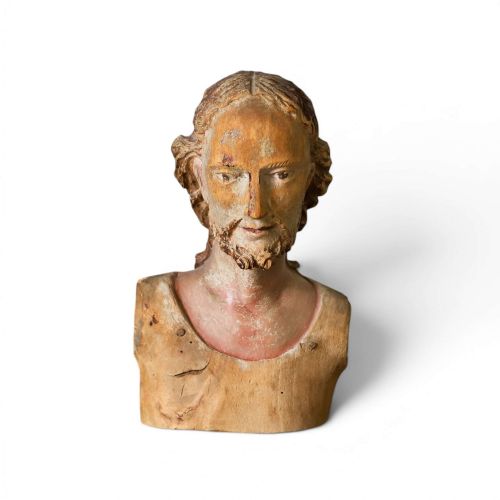
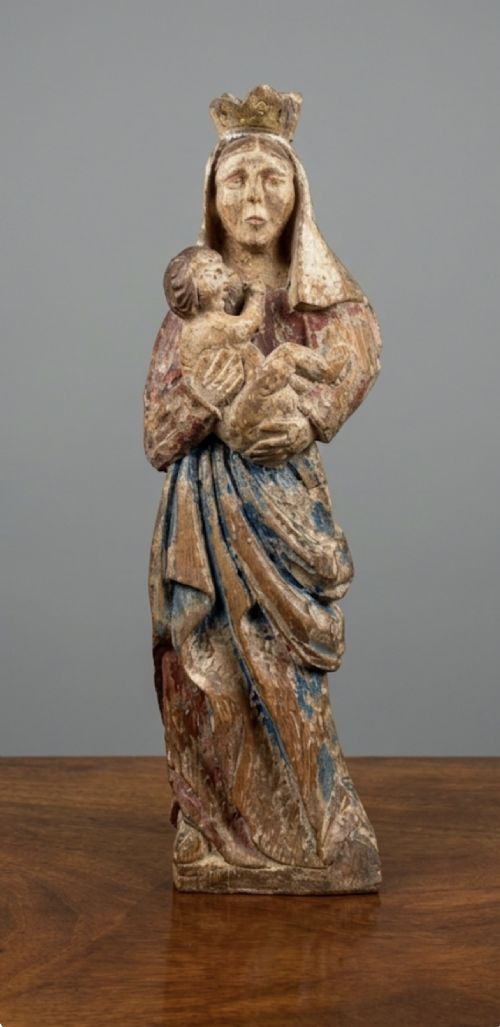
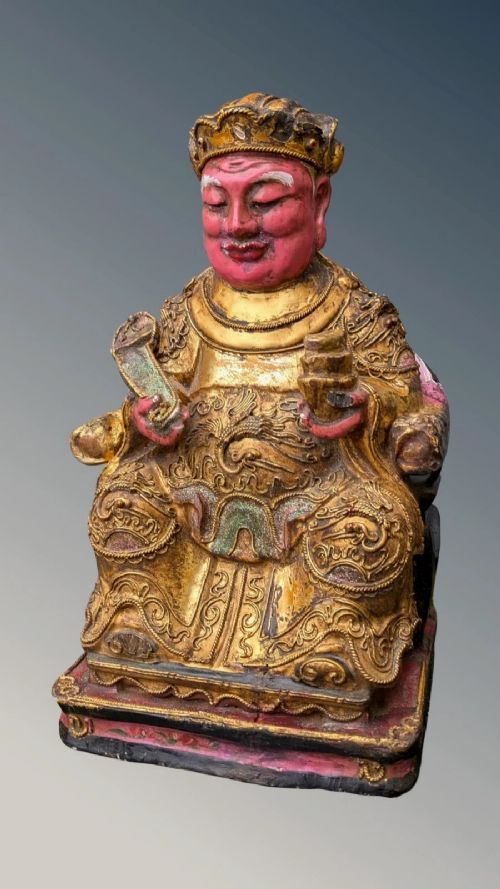
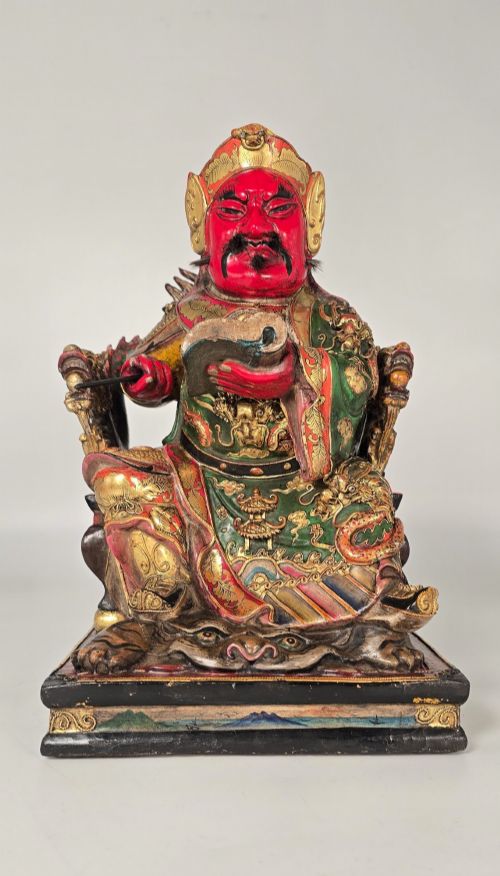
When you search for a polychrome wood statue, you enter a world of carved saints, deities, and guardian figures brought to life with paint, gesso, and gold leaf.
Polychrome Wood Statue
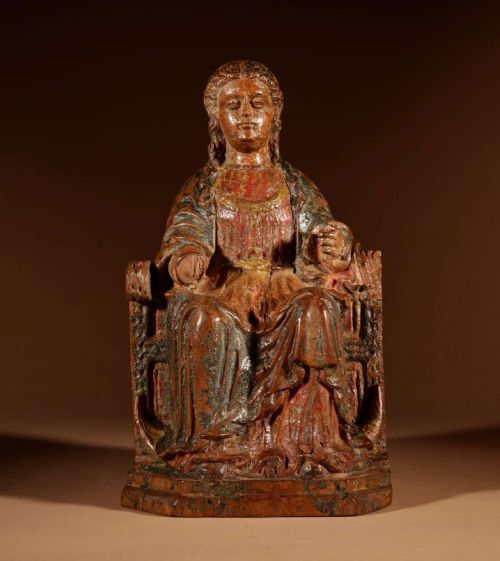
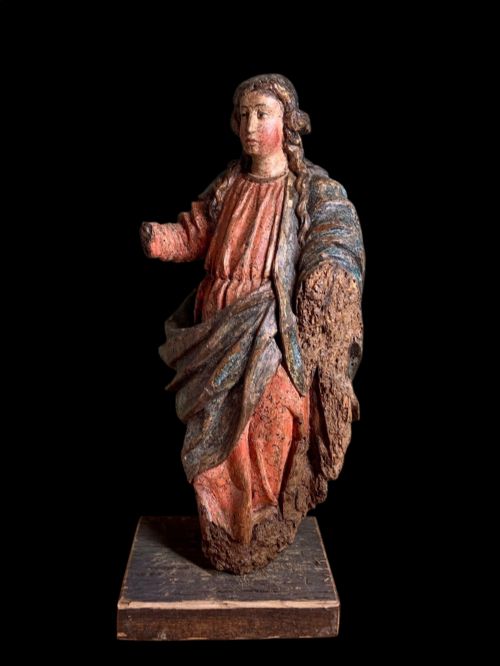
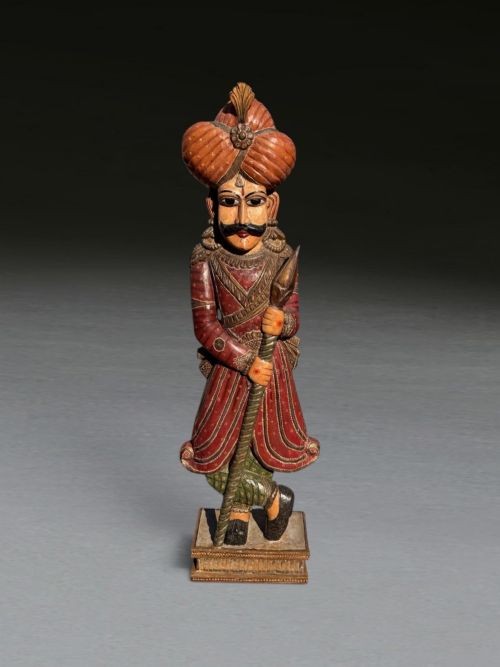
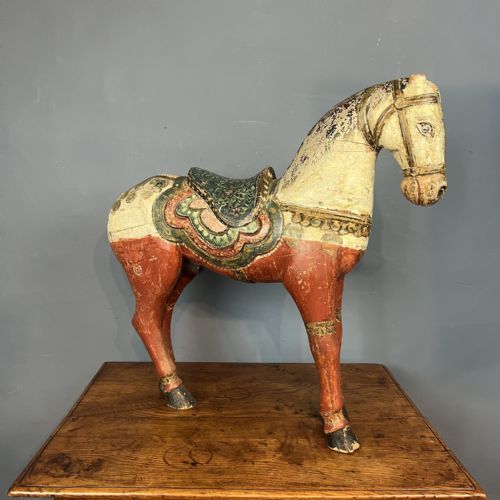
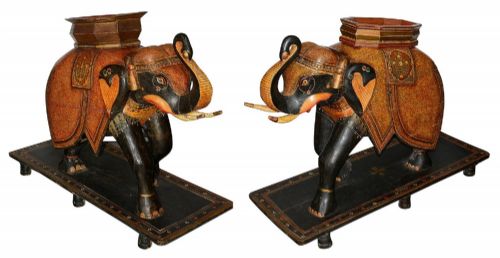
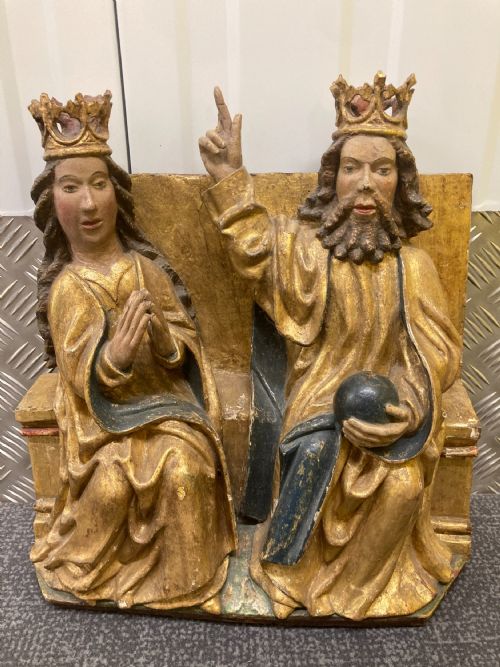
A polychrome wood statue encompasses carved figures from various European, Asian, and global traditions, spanning centuries of craftsmanship. Buyers encounter religious subjects such as saints, Madonnas, and angels alongside secular forms like Indian soldiers, Chinese scholars, and decorative animals.
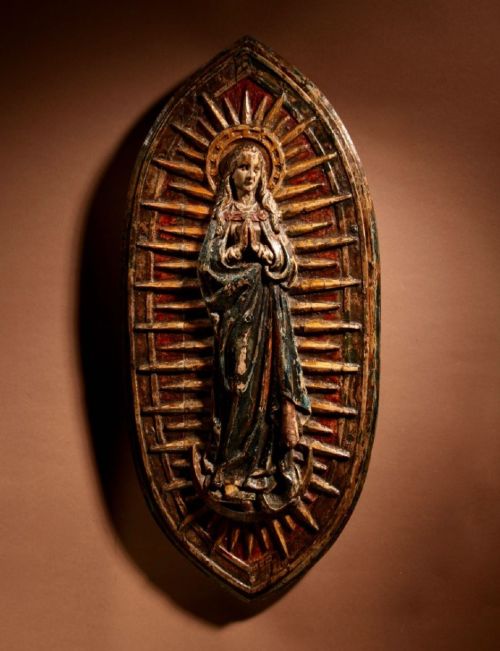
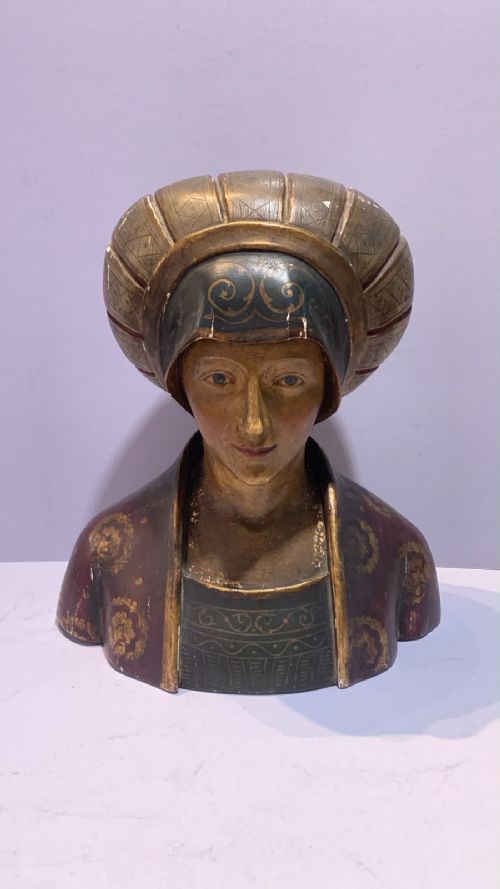
The selections on this page draw from the sixteenth century through to the early twentieth century. Pieces range from monumental temple guardians and church altarpiece panels down to smaller home altar figures and decorative busts.
Origins stretch widely across traditions, including Italian, Spanish, German, and Chinese workshops. Each geographic region imparts distinct stylistic characteristics onto the wood substrate.
How they were made
Artisans typically carved these figures from regional timbers such as oak, walnut, olive wood, limewood, and lacquered substrates. The chosen wood dictated the fineness of detail achievable in the initial carving stage.
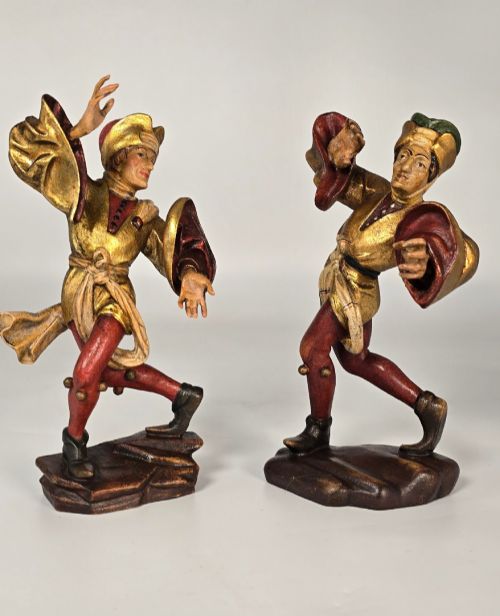
Makers applied layers of gesso to the carved wooden surface to create a smooth ground for subsequent decoration. Polychrome paint and gold leaf were then meticulously brushed or laid over the gesso, often embellished with lacquer for durability and sheen.
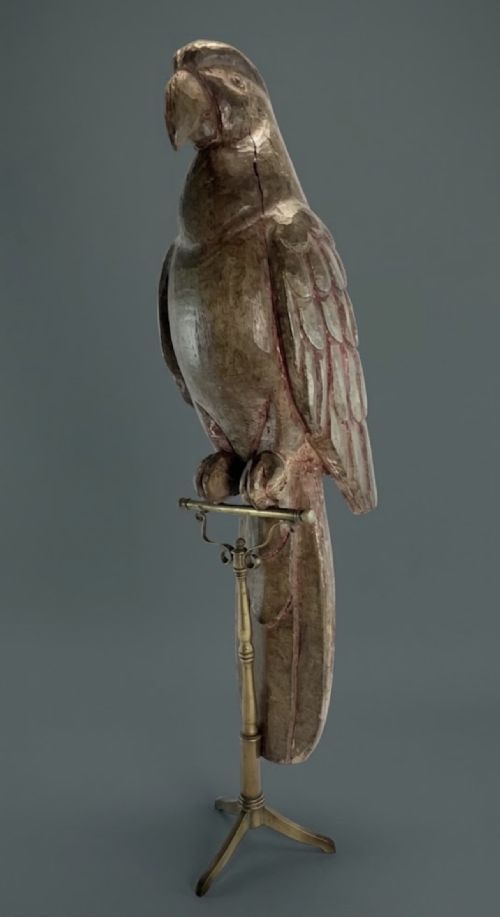
Carved wooden parrots on brass stands sit cheek by jowl with solemn saints and fierce temple guardians.
What varies in quality
Preservation of the original paint layer and surface finish heavily dictates desirability. Pieces retaining their early or original gesso, pigment, and gilding offer a more authentic historical presence than heavily repainted surfaces.
Ralph Wood
The Polychrome Wood Statue Glossary
- Polychrome
- Decorated in multiple colours. This term describes surfaces painted or tinted with various pigments.
- Gesso
- A plaster mixture used as a base for paint or gilding on wood. It provides a smooth white surface for fine artistic work.
- Gold leaf
- Gold beaten into extremely thin sheets. It is applied to surfaces for decorative gilding.
- Capipote
- A type of Spanish devotional figure with a rigid wooden framework and detailed head and hands, often dressed in real textiles. These statues were used in religious processions and domestic worship.
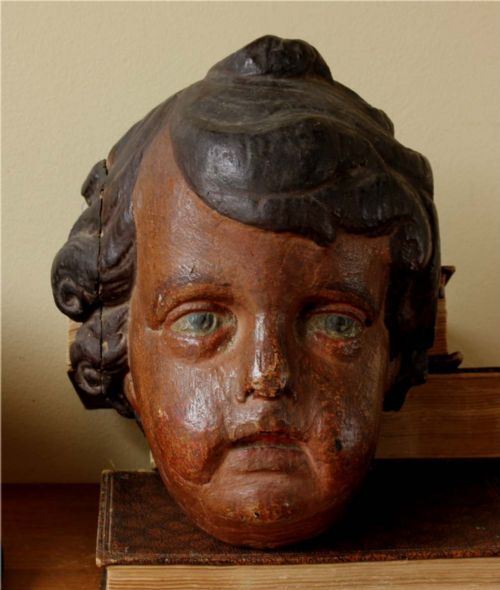
- Putto
- A figure of a small infant, frequently winged, appearing in artistic works. They originate from classical art and reappear in Renaissance and later baroque sculpture.
Polychrome Wood Statue: Frequently Asked Questions
How do I clean an old painted wooden figure?
Dust the surface gently with a soft, dry brush to remove loose particles. Avoid using water, household cleaners, or oils, as moisture can damage aged gesso and flaking paint.
For stubborn grime, consult a professional conservator to prevent stripping historic layers of pigment. Preservation relies on keeping the piece in a stable environment away from direct sunlight.
Where were these statues originally displayed?
Many European examples stood within churches, monasteries, or domestic shrines as objects of devotion. Asian pieces frequently originated in temples or ancestral halls as ritual figures and guardians.
Secural figures, such as trade signs or decorative animals, served commercial or elite interior display functions. Their placement dictated their scale, ranging from monumental temple sculptures to intimate tabletop carvings.
How can I tell the age of the wood?
Examine the tool marks left behind by the carver, as hand chisels and gouges differ from modern machine outputs. Shrinkage cracks, worm holes, and the patina of the underlying timber also offer clues to antiquity.
Compering the style of dress, hair, and iconography to known historical periods helps narrow down the date of creation. Paint analysis and wood species identification provide further scientific markers.
Why is some paint layered over gesso?
Gesso acts as a foundational primer that seals the wood grain and creates an opaque, luminous surface for pigments to adhere to. Without this layer, wood would absorb the paint unevenly and dull the colours.
This traditional technique allows gold leafing and fine brushwork to catch the light effectively. The resulting texture gives historic statues their characteristic depth.