





Red Painted Wood Figure
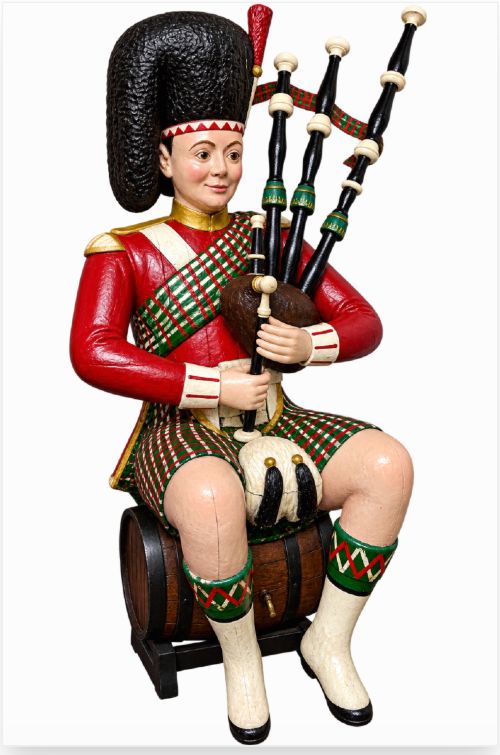
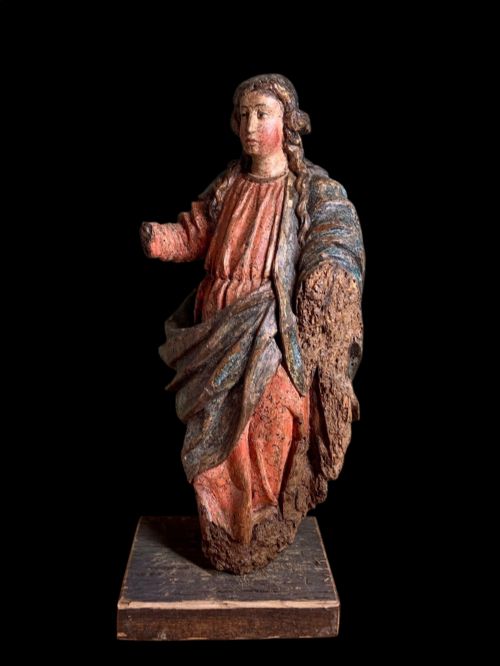
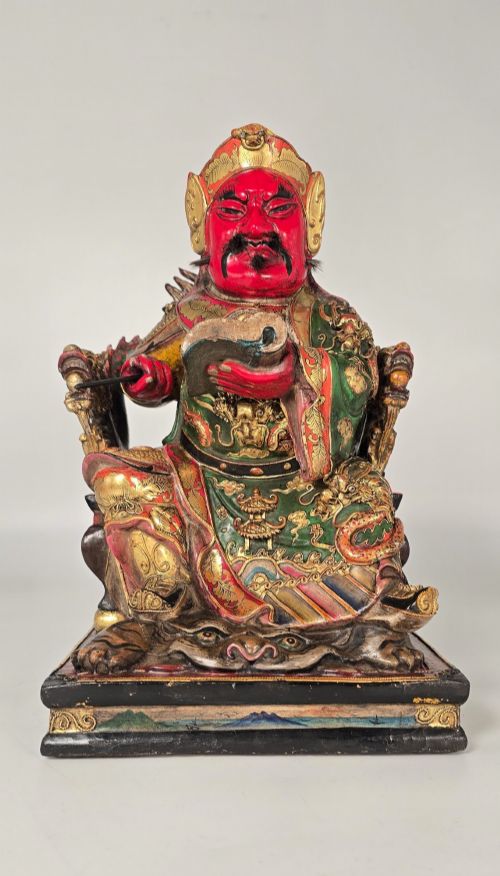
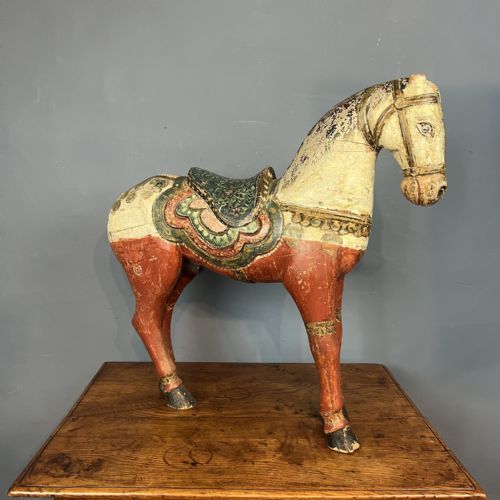
A red painted wood figure brings vibrant colour and carved character into a room, offering tactile charm for the collector.
Red Painted Wood Figure
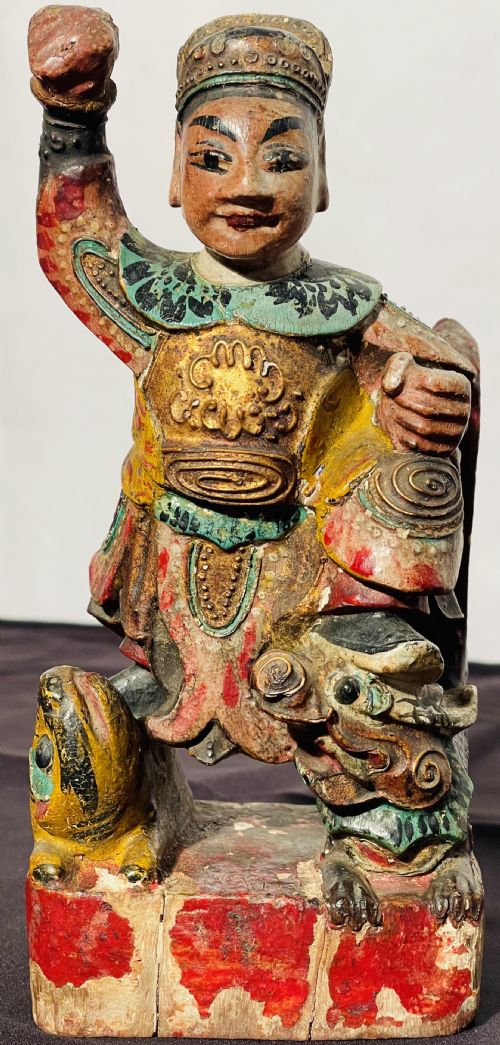
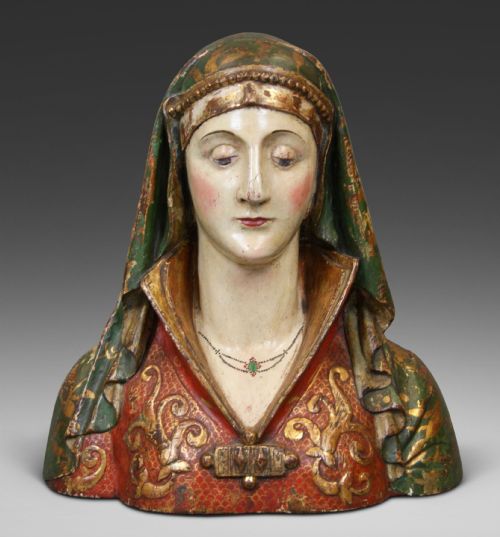
A red painted wood figure spans centuries of global craftsmanship, ranging from European folk art saints and tradesman pieces to Asian religious sculptures and trade figures. Buyers hunting for a red painted wood figure encounter diverse forms including carved saints, soldiers, scholars, and animals originating from traditions as varied as Qing China, Victorian Britain, and 18th-century Italy.
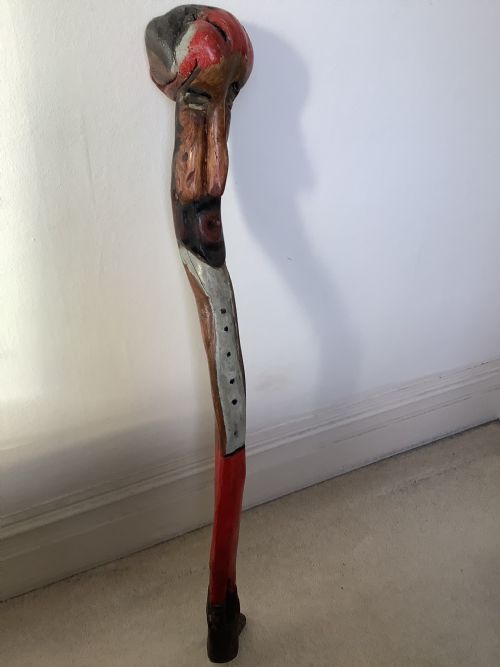
The selections on this page draw heavily from 18th-century Baroque, Victorian folk art, and various regional styles, presenting both devotional and secular carvings. These sculptures range from small cabinet pieces and walking sticks to substantial standing figures and architectural elements.
Materials and Construction
Makers shaped these pieces from various woods, frequently applying layers of gesso to create a smooth base for rich polychrome paint and occasionally gold leaf or lacquer. Artisans carved the timber by hand, building up surface decoration with pigments that often weathered and aged over generations.
Techniques varied from the precise chisel work of European academic traditions to the expressive carving methods seen in folk art and trade figures. Surface finishes relied on traditional paint layers, sometimes augmented with protective varnishes or decorative gilding.
Among the painted wooden company, a silent companion stands ready to trick unsuspecting visitors in the hallway.
Judging Quality and Character
Quality rests in the vigour of the carving and the integrity of the original surface paint rather than uniform condition. Superior examples display confident tool marks and harmonious pigment retention that reveal the hand of a skilled artisan.
Pieces where the paint layer has flaked away or suffered heavy, unsympathetic repainting sit lower in desirability than those retaining their authentic early polychromy. The relationship between the wood carving and the decorative pigment remains central to the visual success of any piece.
Ferdinand Victor Leon Roybet·Pietro D’asaro
The Red Painted Wood Figure Glossary
- Polychrome paint
- Decoration applied in several colours to the surface of wood or stone sculpture. This technique brings depth and realism to carved figures across many centuries.
- Gesso
- A plaster mix applied to wood as a base for paint and gilding. It provides a smooth, stable ground for fine decorative work.
- Folk art
- Utilitarian or decorative objects made by self-taught or local craftsmen, often outside mainstream academic traditions. These pieces prioritise expressive local character over formal academic rules.
- Dummy board
- A painted wooden figure cut out to life size, designed to trick the eye from a distance. They served as silent companions in historic hallways and rooms.
- Gold leaf
- Gold beaten into extremely thin sheets and applied to surfaces with size or adhesive. It creates a luminous metallic finish on religious and decorative carvings.
Red Painted Wood Figure: Frequently Asked Questions
What is a red painted wood figure?
A red painted wood figure is a carved wooden sculpture finished with pigmented paint, encompassing everything from religious saints to folk art animals and trade displays.
These pieces reflect the cultural and artistic priorities of their makers, using red pigments to draw the eye and highlight specific sculptural details.
How were these wooden figures used?
Many served devotional roles in churches or domestic shrines, while others functioned as trade signs, toys, or decorative interior ornaments.
Secular examples often recorded tradesmen, soldiers, or exotic subjects to satisfy contemporary curiosity or commercial demand.
How do I care for antique painted wood?
Keep painted wood away from direct sunlight and dramatic fluctuations in temperature or humidity to protect the delicate surface pigments.
Dust gently with a dry, soft cloth and avoid using liquid cleaners or modern polishes that might soften historic paint layers.
How can I tell the age of a carved figure?
Dating relies on examining the tool marks left by the carver, the composition of the wood, and the chemical nature of the paint and gesso layers.
Comparison with documented examples from specific periods like the 18th century or the Victorian era helps establish a reliable timeline.