





Oriental Religious Statue
An oriental religious statue brings sacred iconography and centuries of ritual presence into a room, offering deep sculptural weight and traditional craftsmanship.
Oriental Religious Statue
An oriental religious statue encompasses sacred figures from Buddhist and Hindu traditions across Asia, spanning centuries of spiritual art. When searching for an oriental religious statue, buyers encounter diverse forms ranging from diminutive temple deities to monumental carved figures.
The selections on this page draw from periods including the sixteenth century, the nineteenth century, and the Edwardian era. Origin styles reflect regional traditions such as Qing Dynasty, Ayutthaya Period, Burmese, and Javanese Classical.
Common material expressions in these listings include bronze, carved wood, and stone or alabaster. Objects appear as sculptures, statues, figures, and ritual icons.
Materials and Techniques
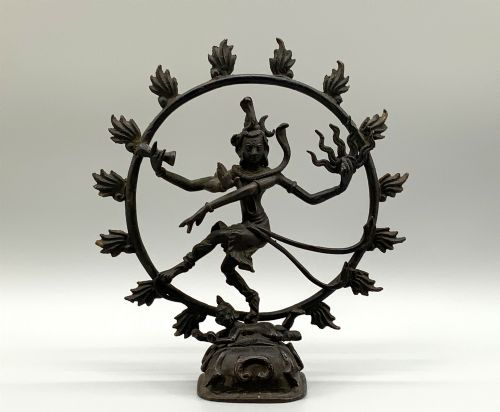
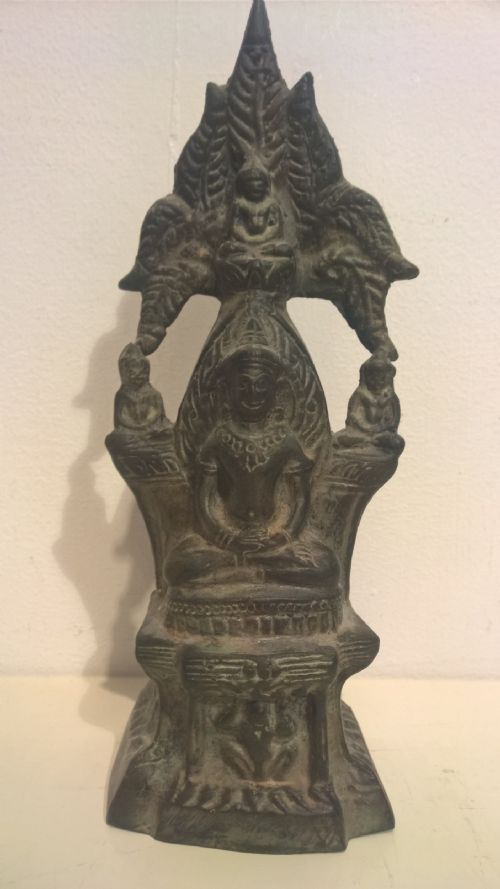
Many metal figures utilise bronze or silver and copper alloys, shaped through casting techniques to achieve fluid postures and detailed ornaments. Artisans often finished these bronze and metal pieces with gilding or left them as polished solid bronze.
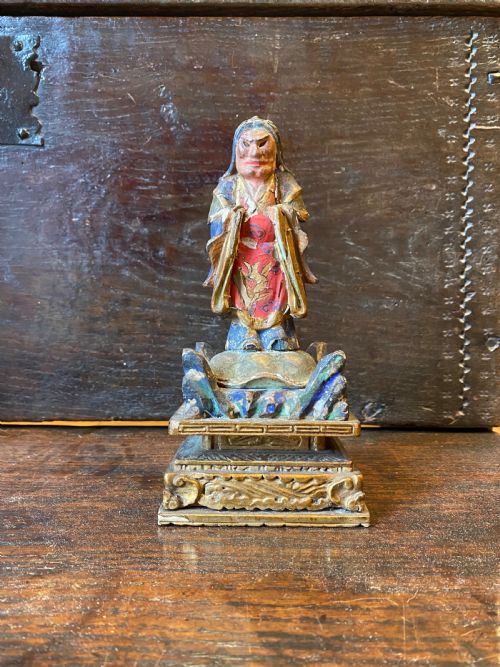
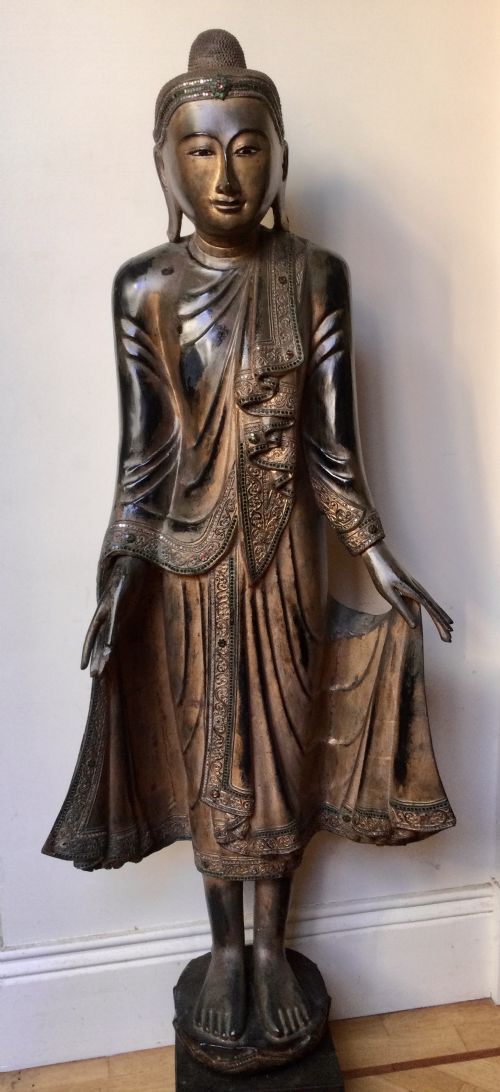
Wooden statues rely on carved wood, sometimes treated with gesso, gold leaf, and polychrome pigment or polychrome paint for vibrant surface decoration. These high relief carvings and temple pieces demonstrate traditional joinery and sculptural layering applied directly to timber.
Regional styles represented include Sino-Tibetan, Burmese, Javanese Classical, and Ayutthaya Period traditions.
Judging Quality
Quality rests upon the precision of the carving or casting, where the crispness of facial expressions, hand gestures, and drapery folds dictates the sculptural merit. Superior examples retain their original surface treatments, whether polychrome pigment, gilding, or patinated bronze.
The depth of artistry in regional details - such as the intricate iconographic attributes of a deity or temple guardian - separates standard decorative works from pieces with true historical and cultural weight.
The Oriental Religious Statue Glossary
- Polychrome
- Decorated in multiple colours using paint or pigment. This surface treatment brings depth and realism to carved wooden figures.
- Gilding
- The application of a thin layer of gold leaf or gold powder to a surface. It highlights sacred elements on bronze and wooden statues.
- Iconography
- The traditional or conventional images or symbols associated with a subject and religious context. Understanding these visual symbols helps identify specific deities and figures.
Oriental Religious Statue: Frequently Asked Questions
Where should I place a statue?
These figures suit quiet corners, mantelpieces, or dedicated display spaces where their sculptural forms and material textures can be appreciated properly.
Ensure they are kept away from direct heat sources and excessive moisture to protect traditional wood and pigment surfaces.
How do I clean wooden pieces?
Dust gently with a soft, dry brush to remove accumulated particles without disturbing fragile paint or gesso layers.
Avoid liquid cleaners, polishes, or damp cloths which can permanently damage historical polychrome finishes and exposed wood.
How do I identify periods?
Look closely at tool marks, casting methods, and the natural ageing patterns present in the bronze, stone, or timber.
Stylistic markers such as regional dress, crown designs, and sculptural proportions also point towards specific eras of creation.
Are these pieces heavy?
Many solid bronze and stone statues possess considerable weight and require sturdy, stable surfaces for safe placement.
Carved wooden figures tend to be lighter, though large temple carvings still require balanced support to prevent tipping.