


Polychrome Side Table
A polychrome side table brings rich colour and painted decoration into a room, offering both a functional surface and a striking focal point.
Polychrome Side Table
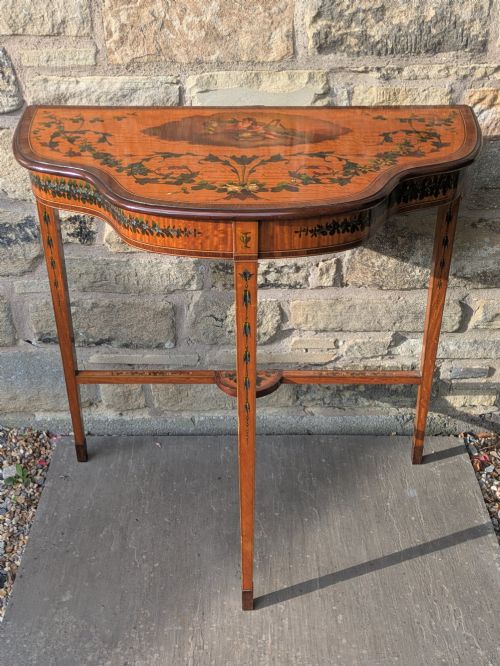
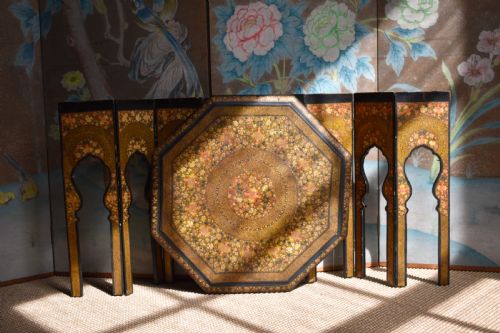
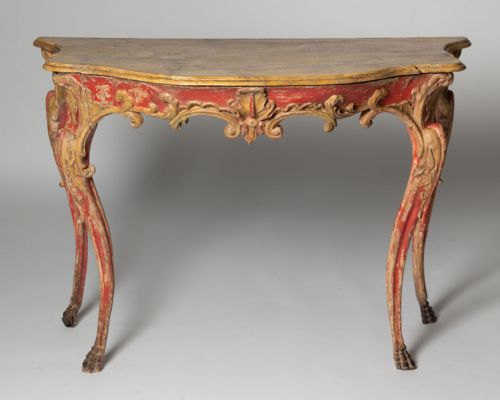
A polychrome side table encompasses a diverse group of small furniture items defined by their painted surfaces, stretching across various global traditions. Buyers seeking a polychrome side table will encounter pieces ranging from Italian console tables to Kashmiri occasional pieces.
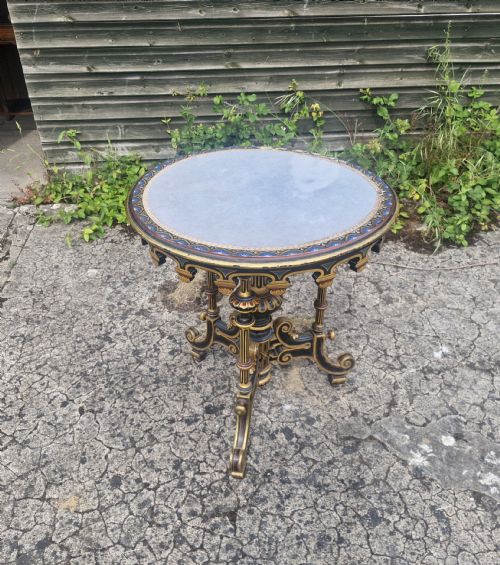
The selection on this page relies heavily on nineteenth-century examples, featuring styles such as Venetian Baroque, Venetian Rococo, and Anglo-Indian work. Alongside traditional side and console tables, the inventory includes tilt-top tables and occasional tables bearing decorative painted schemes.
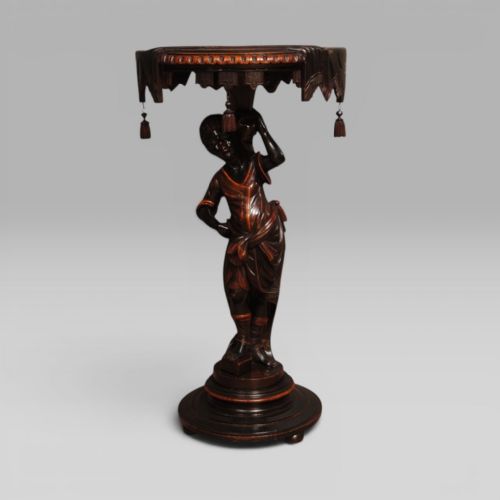
Makers and artisans applied these colourful finishes to wood surfaces, sometimes incorporating carved elements like blackamoor figures or lacquer work. These tables often serve as accent pieces in reception rooms and hallways, bringing vibrant pigments and intricate patterns into domestic spaces.
How they were made
Craftsmen built these tables using wood as the primary structural material, often employing carved wood for sculptural bases and supports. Gesso and gold leaf frequently served as foundational layers to prepare the surface for subsequent decoration.
The defining characteristic relies on polychrome paint, lacquer, and detailed hand-painted artwork applied directly to the wood or gesso ground. Certain Italian examples incorporate scagliola to imitate marble tops, while others feature applied porcelain elements or specialist lacquering techniques.
Listings span the nineteenth and early twentieth centuries, featuring wood, paint, gesso, and lacquer across diverse global styles.
What varies in quality
Quality rests significantly on the fineness of the paintwork and the precision of the decorative brush techniques. Tables with detailed, intricate patterns executed by skilled hands stand apart from simpler decorative applications.
The structural integrity of the carved wooden components and the preservation of original painted surfaces dictate the standing of a piece. Finer examples maintain their original polychrome schemes and decorative integrity across centuries.
Pauly et Cie
The Polychrome Side Table Glossary
- Polychrome paint
- Decoration executed in multiple colours upon a single object. This surface treatment defines the visual character of the category.
- Gesso
- A plaster-like mixture applied to wood to create a smooth surface for painting or gilding. It forms the crucial base for many detailed finishes.
- Scagliola
- A composite material made from selenite, glue, and pigments used to imitate marble and other fine stones. Italian makers utilised this technique for tabletops.
- Blackamoor
- A decorative sculptural figure, often depicted in Moorish attire, used as a support base for Venetian tables. These carved wooden pieces are frequently polychromed.
- Tilt-top table
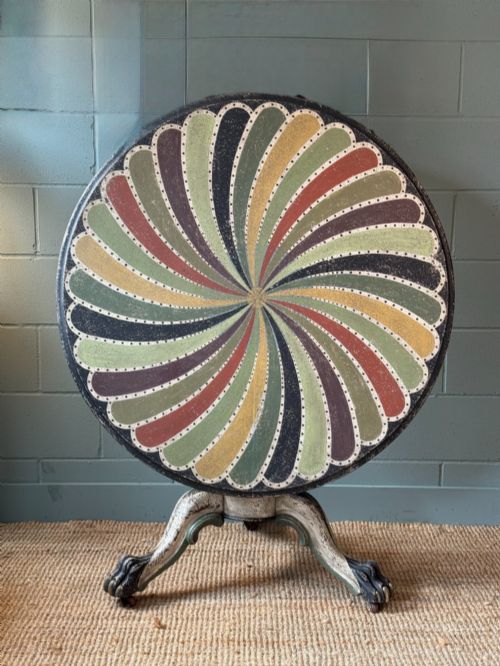
- A small table featuring a mechanism that allows the tabletop to pivot into a vertical position when not in use. This form appears with later painted petal designs.
Polychrome Side Table: Frequently Asked Questions
What is a polychrome side table?
A polychrome side table is a small piece of furniture decorated with multiple colours of paint, lacquer, or gesso. These tables originate from various traditions, including Venetian and Kashmiri workshops.
They function as accent furniture in living spaces, combining practical surface area with elaborate artistic decoration.
How do I date a painted table?
Dating relies on examining the underlying wood construction, the ageing of the gesso and paint layers, and stylistic indicators. Nineteenth-century examples often display specific regional motifs, such as Venetian Rococo or Anglo-Indian floral patterns.
Changes to the surface, like later painted additions over older wood, require careful inspection of the pigment and wear patterns.
Where were these tables made?
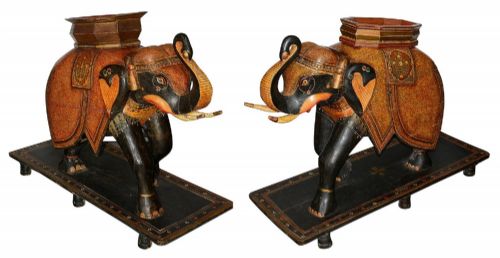
The pieces originate from diverse geographic regions, notably Italy, India, and China. Venetian workshops produced ornate console and blackamoor tables, while Kashmiri artisans specialised in detailed painted wooden surfaces.
Each region employed distinct construction methods and local motifs, resulting in wide stylistic variation.
How do I care for a painted surface?
Care involves keeping the table away from direct sunlight and fluctuating humidity to protect the delicate paint and gesso layers. Gentle dusting with a dry, soft cloth prevents the accumulation of grime without risking moisture damage.
Avoiding harsh cleaning products ensures the original polychrome decoration remains intact for the future.