




Polychrome Satsuma Ceramic
Polychrome satsuma ceramic pieces are finely decorated earthenwares and porcelains that bring intricate Japanese artistry and rich gilding into a room.
Polychrome Satsuma Ceramic
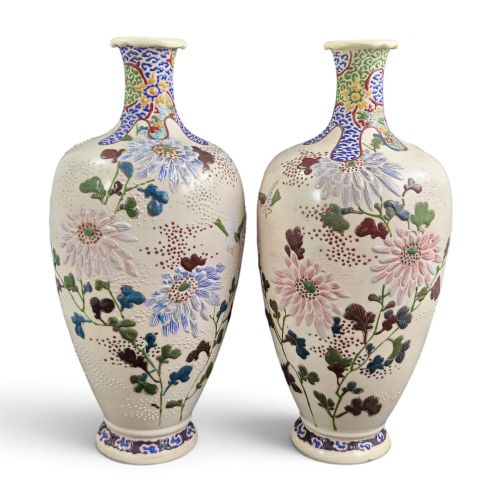
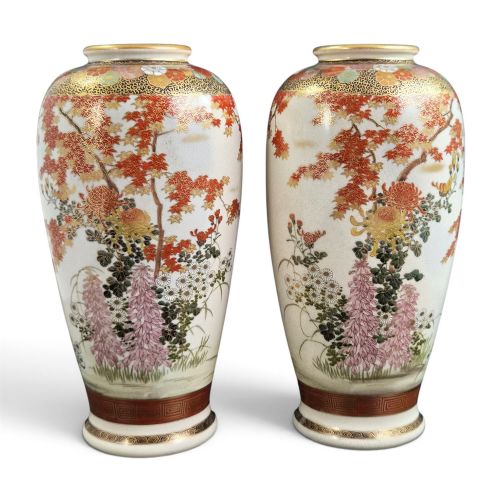
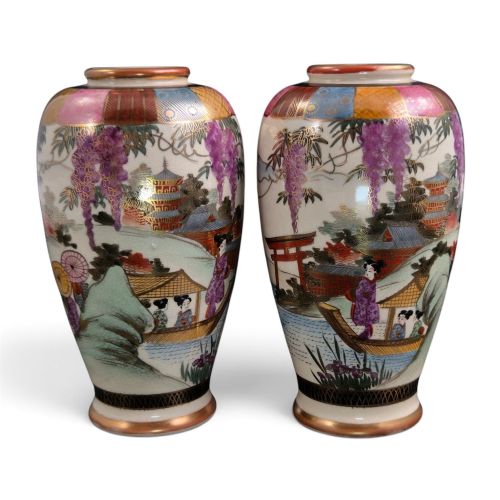
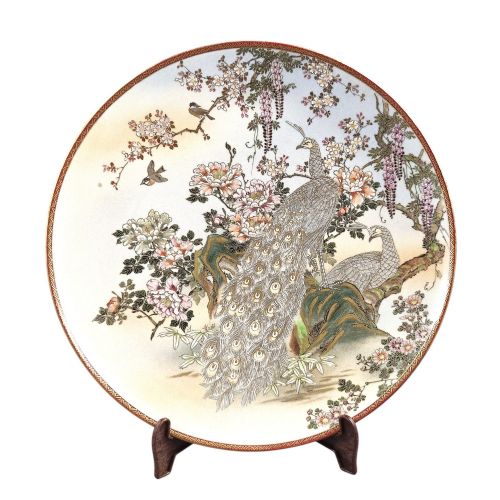
When searching for polychrome satsuma ceramic, collectors seek out historic Japanese wares encompassing vases, bowls, chargers, and okimono figures. These objects originate primarily from the Meiji period through to the early Showa period, showcasing detailed hand-painted scenes.
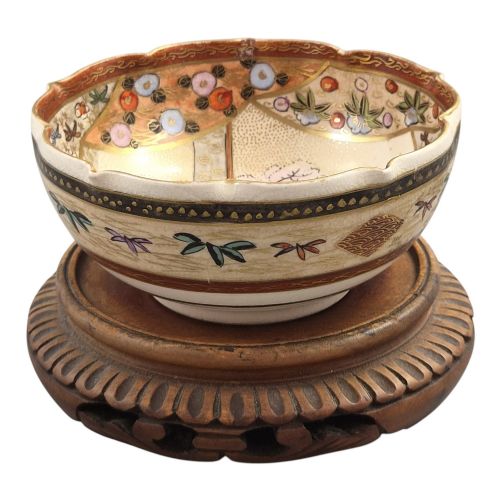
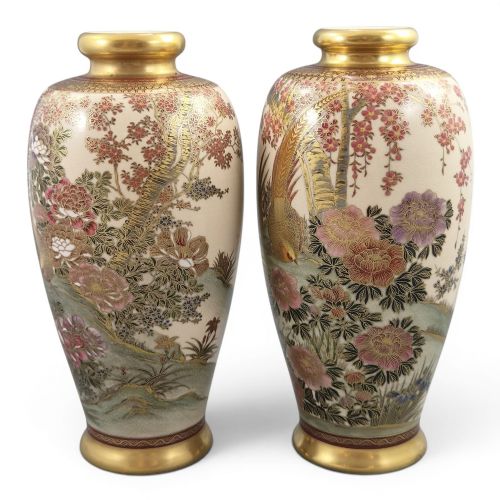
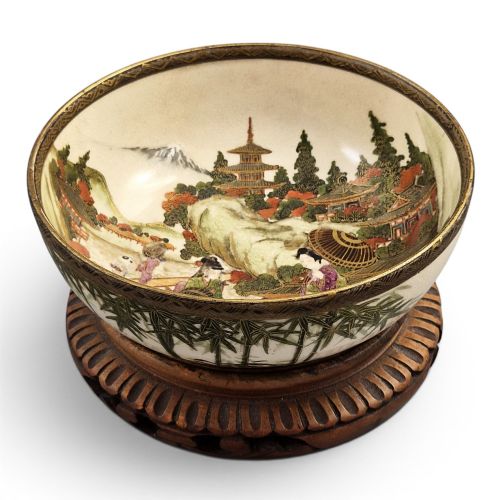
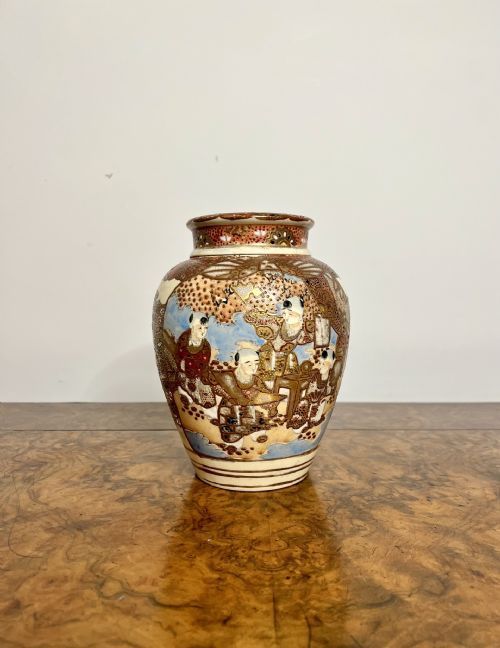
The most common examples met on this page include vases, decorative bowls, and lidded jars featuring traditional motifs such as landscapes, flora, and figures. Many of these items bear signatures from notable makers and workshops based in regions like Kyoto and Yokohama.
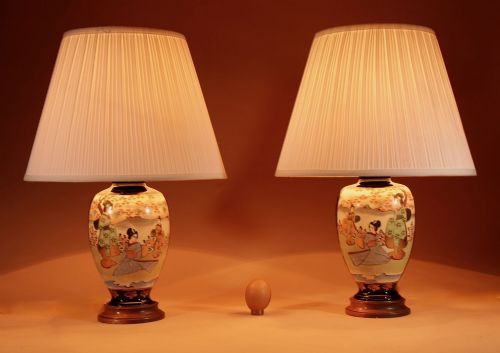
Varying in scale from miniature tripod vessels to large exhibition pieces, these ceramics demonstrate the breadth of historic Japanese craftsmanship. Buyers encounter both utilitarian forms adapted as table lamps and traditional decorative objects intended for display.
How They Were Made
Makers utilised earthenware and porcelain bodies as the foundation for these pieces, applying a characteristic fine-crackled glaze across the surface. This pale glaze provided an absorbent base suited for detailed pigment adhesion.
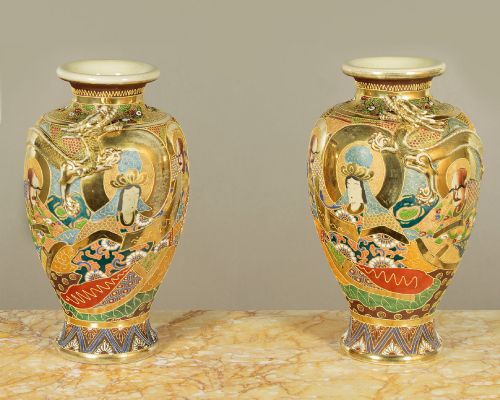
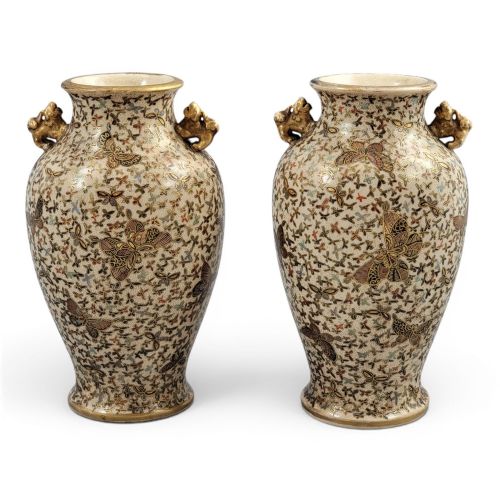
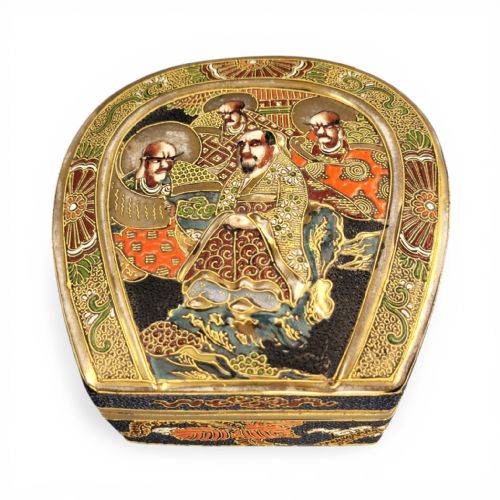
Artisans applied polychrome enamel and gold leaf in intricate patterns, frequently building up raised moriage decoration to create tactile depth. Hand-painted scenes of deities, butterflies, and landscapes were meticulously finished with rich gilt highlights.
Materials recorded across the inventory include earthenware, porcelain, enamel, gold leaf, and wood.
What Varies in Quality
The precision of the brushwork and the complexity of the polychrome palette determine the standing of an individual piece. Finer examples display immense control in miniature facial expressions, dense floral arrangements, and precise geometric borders.
The application of gold leaf and raised moriage enamel separates standard production wares from exhibition-grade examples. Pieces bearing legible signatures from celebrated masters or recognised studios command greater appreciation among collectors.
Maruni Kobe·Kizan·Manpei·Gyokkō·Kinzan·Toshozan·Makuzu Kozan II·Ryuzan·Yamashu·Shuzan·Yasuda·Hododa·Shizan·Meizan·Hayakawa
The Polychrome Satsuma Ceramic Glossary
- Moriage
- A decorative technique using slip applied in raised dots or lines to create a textured, three-dimensional effect beneath enamel and gilding. This method adds significant tactile depth to floral and figurative motifs.
- Okimono
- A Japanese freestanding ornamental carving or ceramic figure intended for display in a tokonoma alcove or on a shelf. These figures often depict deities, immortals, or daily scenes.
- Koro
- A traditional Japanese incense burner, typically fitted with a pierced cover and supported on feet. They are frequently modelled in porcelain or earthenware with intricate handles.
- Natsume
- A small tea caddy traditionally used in Japanese chanoyu tea ceremonies, taking its name from the fruit of the jujube tree. Ceramic versions feature fitted lids and delicate painted decoration.
- Mon
- A Japanese heraldic badge or crest used to identify families, clans, or imperial lineages. These symbols frequently appear on high-quality ceramics as marks of patronage.
- Meiji Period
- The era of Japanese history lasting from 1868 to 1912, marked by the opening of trade with the West. Ceramics from this time often exhibit exceptional technical elaboration.
Polychrome Satsuma Ceramic: Frequently Asked Questions
What is polychrome satsuma ceramic?
Polychrome satsuma ceramic refers to historic Japanese pottery and porcelain featuring a distinctive crackled glaze decorated with hand-painted enamel colours and gold leaf. These wares were produced primarily for export and domestic display during the late nineteenth and early twentieth centuries.
Items range from large decorative chargers and vases to delicate tea caddies and miniature okimono figures. The style is celebrated for its dense, colourful storytelling panels and intricate borders.
How do I identify a Meiji period piece?
Meiji period ceramics are generally identified by their combination of fine, creamy crackle-glaze and extraordinarily dense polychrome enamel work. Many pieces from this era carry artist signatures, studio marks, or mon crests on the base.
The subject matter often includes traditional Japanese deities, arhats, thousand butterfly motifs, or detailed landscape scenes reflecting the artistic output between 1868 and 1912.
How should I display satsuma ceramics at home?
Displaying these ceramics involves placing them in stable locations away from direct sunlight to protect the delicate enamels and gold leaf. Vases, bowls, and lidded jars work well on open shelving or mantels where their detailed painted panels can be appreciated closely.
Ensure that larger pieces, such as heavy chargers or table lamps, rest on secure, level surfaces. Avoid positioning them in areas prone to accidental knocks given the delicate nature of historic earthenware.
What is the difference between earthenware and porcelain satsuma?
Traditional satsuma ware utilises an earthenware body characterised by a soft, warm tone and a network of fine decorative crackles in the clear glaze. Porcelain versions employ a whiter, denser vitreous body that produces a clear ring when tapped.
While both support rich polychrome enamel and gilt decoration, earthenware remains the more traditional medium associated with nineteenth-century production. Porcelain bodies offer greater structural rigidity for items like handled vases.