





Cream Ceramic Basin
These cream ceramic basin examples combine practical utility and decorative presence across periods from the eighteenth century to the Edwardian era.
Cream Ceramic Basin
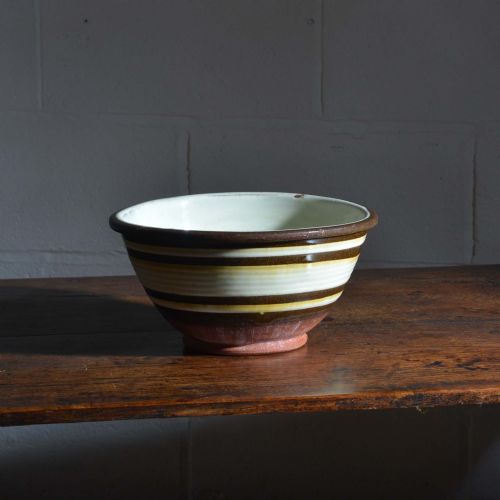
A cream ceramic basin encompasses utilitarian vessels like dairy bowls and large earthenware basins alongside complete washstand sets for domestic hygiene. You encounter sturdy nineteenth-century country pottery alongside refined Edwardian bathroom sets and sanitaryware.
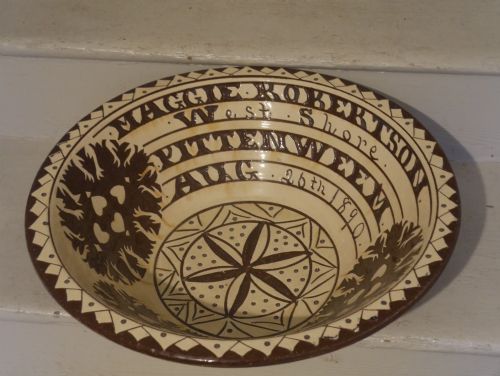
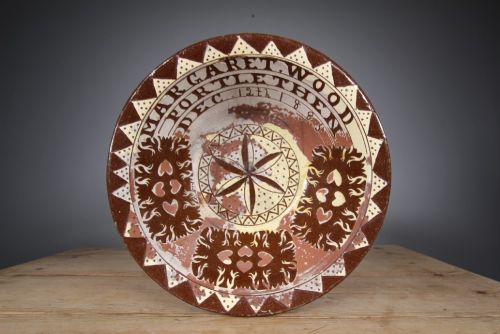
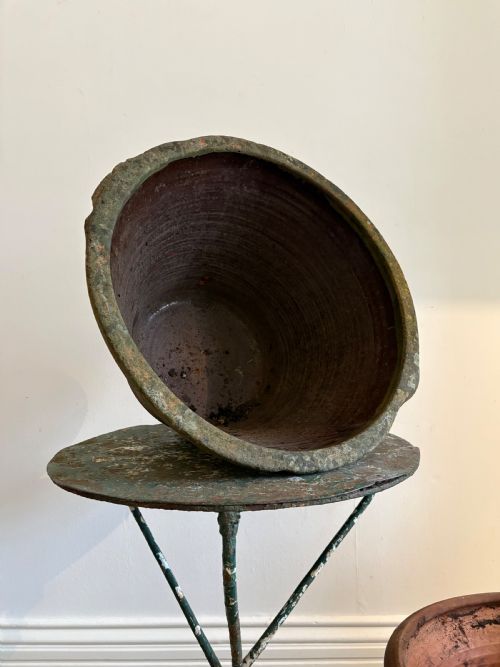
Many examples originate from British provincial potteries, including Seaton Pottery and North Country workshops, while others reflect international traditions such as Japanese Satsuma production and Persian Islamic ceramics. Forms range from heavy terracotta dairy bowls with glazed interiors to elaborate washstand sets intended for the bedroom.
Makers such as Mann and Co, Doulton Lambeth, and mark Jones and Sons represent the sanitary and decorative output found within these listings. Buyers seek these pieces for their tangible domestic history, utilitarian forms, and decorative glazes.
Assessing Quality
Quality rests upon the crispness of the form, the stability of the glazed or enamelled surface, and the clarity of any maker's mark or signature. Finer pieces demonstrate superior control during the throwing and firing stages, resulting in balanced proportions and even glaze coverage.
The sophistication of the painted or slipped decoration distinguishes standard utilitarian wares from ambitious exhibition pieces. Workshop origin also influences standing, with documented makers commanding greater attention from collectors.
One recorded nineteenth-century creamware item takes the surprising form of a knee bath.
Mann and Co·Doulton Lambeth·mark Jones and Sons·Ryuzan·Nikko·Shozan
The Cream Ceramic Basin Glossary
- Creamware
- A type of refined earthenware developed in the eighteenth century with a pale yellowish-cream glaze. It became a staple of British ceramic production for both table and sanitary use.
- Slipware
- Pottery decorated with slip, which is liquid clay applied to the unbaked body by trailing, brushing, or dipping. This technique creates tactile surface patterns.
- Terracotta
- Fired unglazed or partially glazed brownish-red clay used for robust utility vessels. Dairy bowls frequently utilised this material for its thermal and structural properties.
- Stoneware
- A dense, hard ceramic fired at high temperatures until vitrified and rendered waterproof without a glaze. Doulton Lambeth specialised in this durable medium.
- Spongeware
- A rustic decoration technique where colour is applied to pottery using a sponge or similar porous material to create a mottled pattern.
Cream Ceramic Basin: Frequently Asked Questions
How were dairy bowls used?
Dairy bowls were utilised in farm dairies for setting milk to allow the cream to rise to the surface before skimming. Their wide, open forms and glazed interiors facilitated easy collection of dairy produce.
Over time, these utilitarian vessels transitioned into decorative domestic objects valued for their robust rural character and historic glazes.
What defines an Edwardian washstand set?
An Edwardian washstand set typically comprises a large basin, a matching jug, and accessory pieces designed for bedroom personal hygiene before plumbed bathrooms became universal.
These sets demonstrate the domestic sanitation standards of the period, often bearing maker marks from prominent potteries.
How do I care for antique ceramic basins?
These ceramic and earthenware pieces require gentle cleaning with warm water and mild soap to protect historic glazes and slip decoration. Avoid abrasive scourers or harsh chemicals that can damage porous bodies.
Display them away from areas prone to extreme temperature fluctuations to preserve the stability of the ceramic fabric.
How do I date a nineteenth-century basin?
Dating relies on identifying maker marks, potting styles, and material composition recorded in the physical piece. Registry marks or specific factory stamps provide precise chronological markers.
Comparing the glaze type and decorative motifs against documented regional pottery output helps narrow the period of manufacture.