





Large Ceramic Bowl
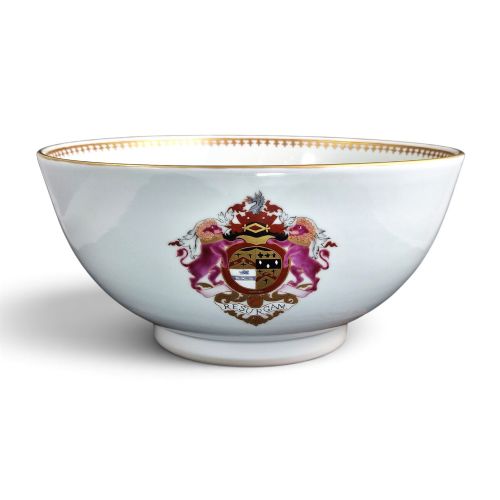
When you search for a large antique ceramic bowl, you encounter vessels that served everyday domestic duties or sat as centrepieces in formal rooms.
Large Ceramic Bowl
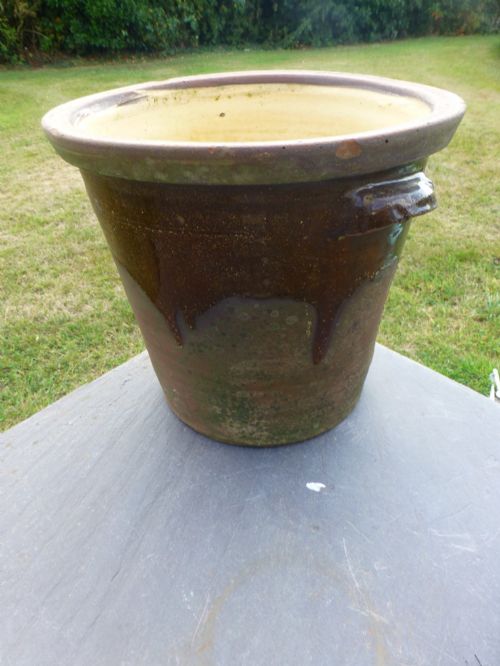
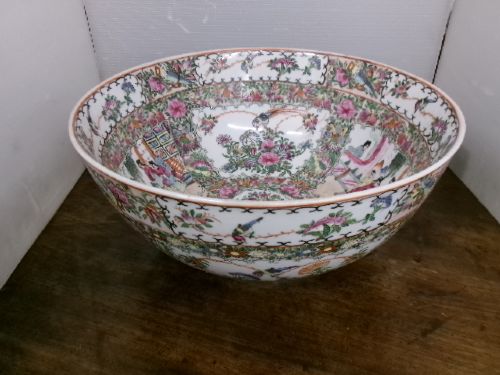
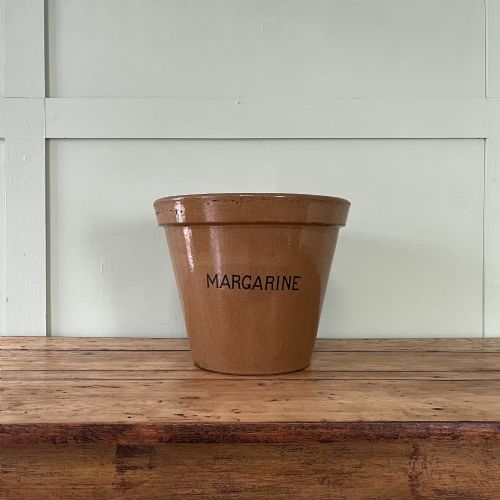
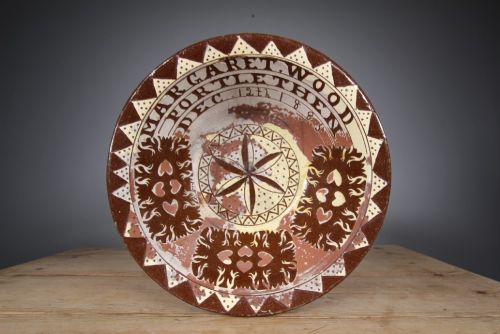
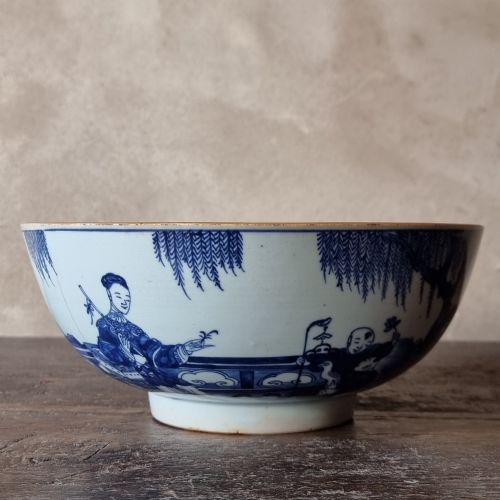
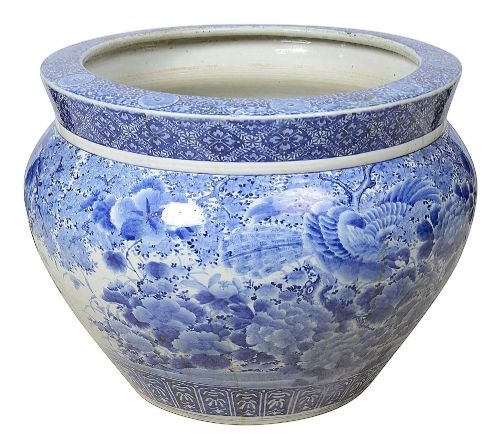
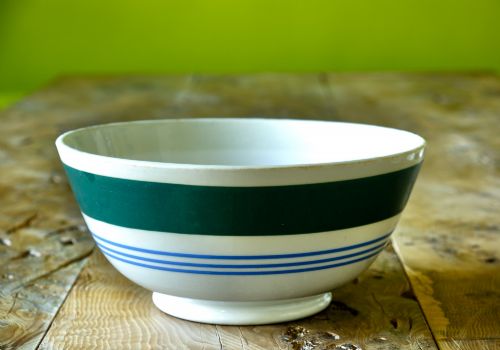
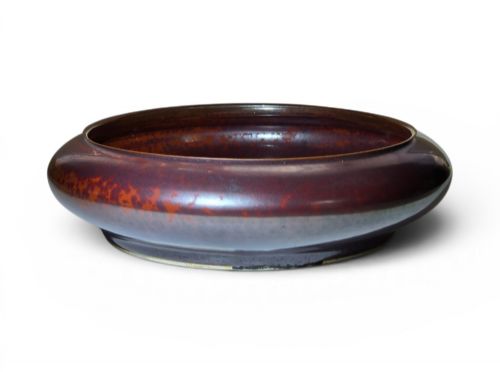
A large antique ceramic bowl encompasses forms ranging from utilitarian dairy salting crocks and margarine bowls to decorative centrepieces, punch bowls, and jardinieres. These vessels emerge from centuries of production, including Qing Dynasty China, the Meiji and Edo periods in Japan, and European workshops spanning the eighteenth to the twentieth centuries.
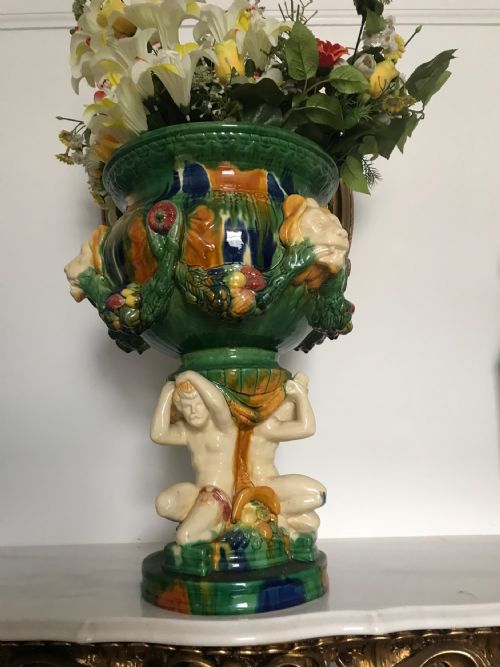
You are most likely to meet nineteenth-century porcelain and earthenware pieces on this page, alongside Japanese Imari wares and glazed utilitarian containers. Forms vary from simple conical shapes and scalloped edge bowls to elaborate centrepieces featuring applied roses and putti.
How they were made
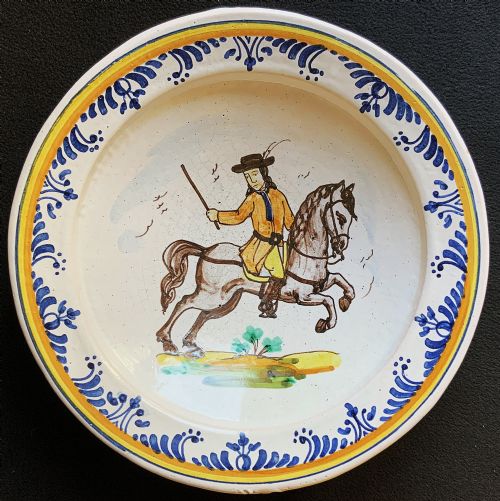
Potters shaped these vessels from porcelain, earthenware, terracotta, stoneware, and ironstone, employing techniques suited to both domestic utility and ornamental display. Glazes such as iron rust, Qingbai, and standard ceramic coatings sealed the body, while hand-painted pigments, gilding, gold leaf, and hand-applied elements like flowers and figures decorated the surfaces.
Firing took place in traditional kilns, after which many pieces received detailed hand painting or polychrome finishes. Some functional wares retained unglazed exterior bases with glazed interiors, whereas decorative centrepieces underwent complex assembly to incorporate figural stands and modelled motifs.
Several Victorian centrepieces feature stubborn little musical putti and applied porcelain roses who refuse to stop playing their instruments.
What varies in quality
Quality separates through the precision of the hand-painted decoration, the refinement of the ceramic body, and the complexity of modelled details like applied flowers and figural bases. Superior examples demonstrate controlled brushwork, crisp incised motifs, and well-balanced forms.
Utilitarian items derive their merit from robust construction and honest wear, while fine ornamental pieces rely on the harmony of their glaze, gilding, and sculptural additions. The distinction lies in the execution of the craft rather than mere age or size.
T G Green Pottery·Mann And Co·Masons Patent Ironstone·Doulton Burslem·Maling·Minton·C G Schierholz And Sohn
The Large Ceramic Bowl Glossary
- Imari
- A style of Japanese porcelain featuring underglaze blue and overglaze red, green, and gold decoration. These wares were widely exported to Europe from the Edo period onward.
- Spongeware
- Pottery decorated by applying colour with a sponge or stamped pad to create a mottled or speckled pattern. This technique was popular on nineteenth-century domestic bowls.
- Jardiniere
- An ornamental ceramic pot or stand designed to hold plants or flowers. They frequently appear in large formats with glazed interiors.
- Slipware
- Pottery decorated with a thin layer of wet clay applied to the body before firing. This method yields simple contrasting patterns characteristic of traditional earthenware.
- Famille Rose
- A palette of opaque pink and rose enamel colours introduced to Chinese porcelain during the Qing Dynasty. The style dominated export porcelain throughout the eighteenth and nineteenth centuries.
Large Ceramic Bowl: Frequently Asked Questions
What were large ceramic bowls used for?
These vessels served various functions depending on their build, ranging from heavy earthenware dairy crocks for food preparation to large porcelain punch bowls used in dining.
Decorative examples acted as centrepieces or jardinieres for display in formal rooms and parlours.
How do I care for an antique bowl?
Wash ceramic pieces by hand using mild soap and warm water, avoiding abrasive sponges that might damage historical glazes or gilding.
Keep them away from direct heat sources and sudden temperature changes to protect the older ceramic body.
How can I date an antique bowl?
Examine the base for maker marks, stamps, or handwritten signatures that correspond to known factory active periods.
Look closely at the style of decoration, glaze composition, and manufacturing method to narrow down the decade or century.
Are these bowls suitable for daily use?
Most antique decorative bowls and fine porcelain pieces are best reserved for display rather than heavy everyday dining.
Robust stoneware or ironstone items can handle careful practical use, but delicate painted surfaces require gentle treatment.