





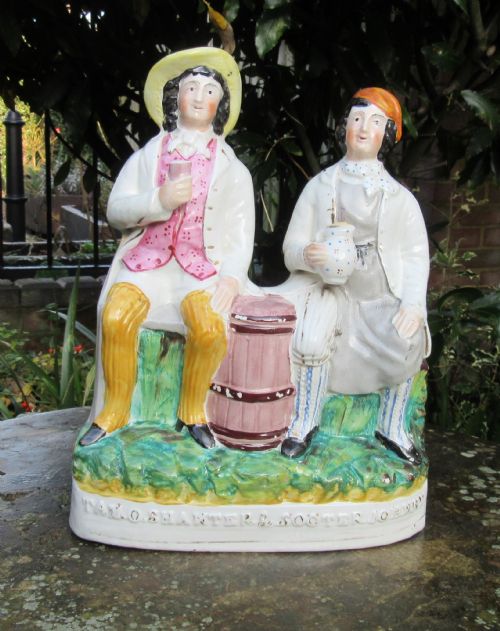
Polychrome Pottery Statuette
A polychrome pottery statuette brings character and narrative to a room through painted glaze and moulded clay.
Polychrome Pottery Statuette
A polychrome pottery statuette captures historical figures, literary characters, and everyday occupations across various centuries and stylistic traditions. When you search for polychrome pottery statuette, you encounter sculptural ceramics ranging from Georgian and Victorian Staffordshire figures to French earthenware and Tang Dynasty style glazed pottery.
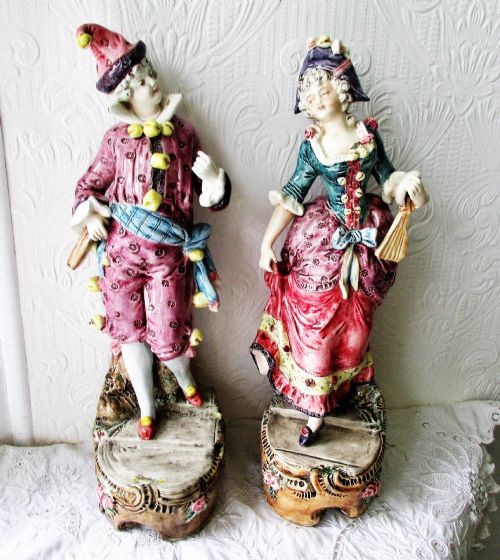
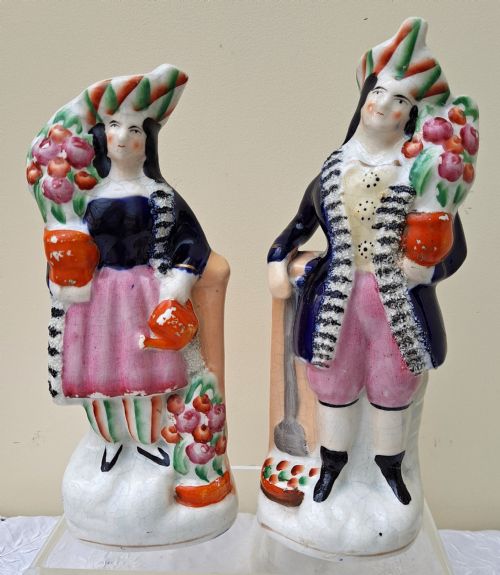
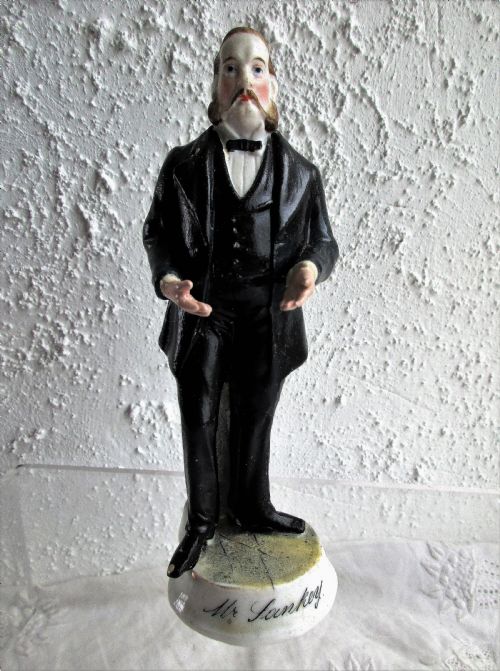
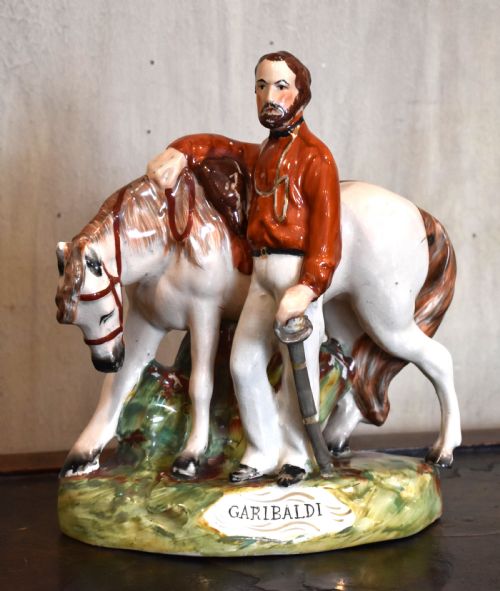
The pieces on this page lean heavily towards English Victorian production, particularly Staffordshire pottery figures depicting theatrical performers, military leaders, and gardeners. Alongside these, buyers find continental earthenware pairs and twentieth century porcelain figures carrying distinct regional styles.
Forms vary from small individual figurines to large pairs and musical band groupings. Makers utilised earthenware, porcelain, and ceramic bodies, finishing them with colourful enamel paint, glaze, or sancai glazing to create expressive decorative objects.
Materials and methods
Potters shaped these figures using clay bodies such as earthenware and porcelain, forming the statuettes through moulding or traditional ceramic techniques. The physical structure relies on sturdy ceramic bases designed to support the upright sculptural form.
Surface colour comes from applied glazes, enamels, and enamel paint that receive firing in kilns to fix the pigments. Specific aesthetics range from the glossy multi-coloured lead glazes of nineteenth century Staffordshire to the distinctive sancai glazed pottery seen in Tang Dynasty style groups.
A musical band of seven figures proves that Victorians and potters alike appreciated a miniature ceramic orchestra.
Assessing quality
The distinction between ordinary and finer pieces often lies in the character of the modelling and the depth of the historical or theatrical portraiture. Well rendered figures capture the likeness or occupational identity of the subject with greater conviction and artistic balance.
Shelley
The Polychrome Pottery Statuette Glossary
- Staffordshire figures
- Ceramic statuettes produced in the potteries of Staffordshire, England, famous for depicting popular heroes, royalty, and theatrical personalities. These figures formed a staple of Victorian parlour decoration.
- Polychrome
- Decorated in several colours. This term describes pottery and porcelain painted with multiple enamel colours or coloured glazes.
- Earthenware
- Porous pottery fired at a relatively low temperature. It requires a vitreous glaze to become impermeable to liquids and forms the body of many antique figurines.
- Sancai
- Three-colour glaze technique traditionally used in Chinese pottery. The style employs combinations of amber, green, and creamy white or yellow glazes.
- Enamel paint
- Glassy coloured pigments fused to a ceramic surface during a secondary, lower temperature kiln firing. It provides the bright surface hues on many antique figures.
Polychrome Pottery Statuette: Frequently Asked Questions
What periods do these figures come from?
The pieces span several distinct eras, stretching from the Georgian period through the Victorian age and into the early twentieth century. You will also find items reflecting much earlier aesthetics, such as Tang Dynasty style pieces.
Each period brings its own characteristic palette, modelling style, and choice of clay body, allowing collectors to trace the evolution of ceramic figure production.
How were Staffordshire figures displayed?
Victorian households typically placed these earthenware statuettes on mantelpieces, chiffoniers, and side tables as decorative ornaments. They served as conversation pieces and accessible displays of popular culture.
Because they were made for domestic interiors, they were designed to be viewed from the front or sides rather than completely in the round.
What subjects do the figures depict?
The subjects range widely across historical events, theatrical portraits, literary characters, and rustic occupations. You encounter Crimean War figures, famous performers like Jenny Lind, and pastoral pairs such as gardeners.
This variety reflects the popular interests and entertainment of the nineteenth and early twentieth centuries.
How do earthenware and porcelain differ?
Earthenware is a coarser, porous ceramic material that requires glazing to hold water and form a smooth surface. Porcelain is a finer, vitrified ceramic that is denser, harder, and white throughout.
Antique makers selected these materials based on the desired level of sculptural detail and the traditions of their specific pottery.