

Polychrome Pottery Figurine
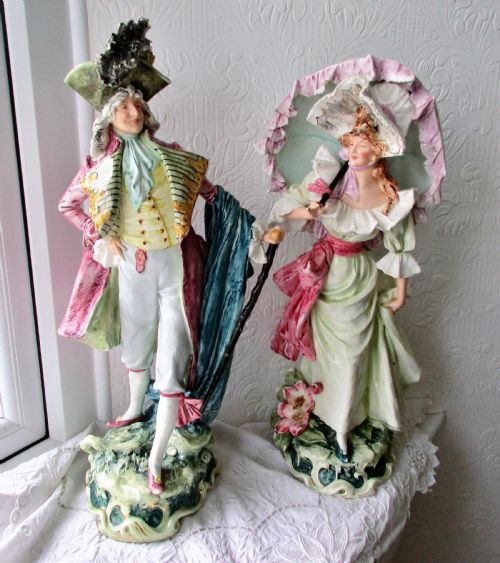
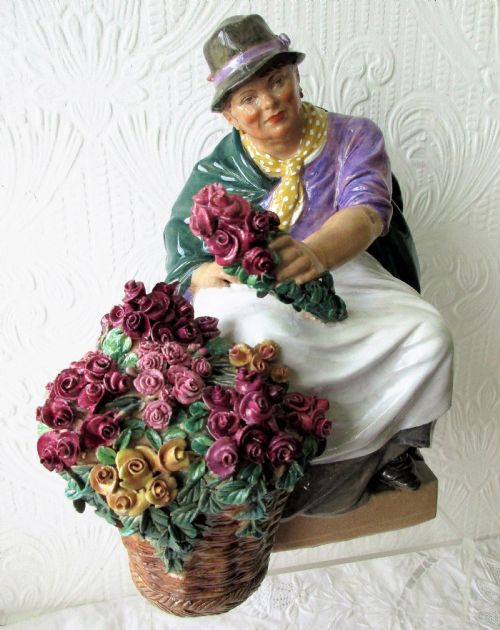
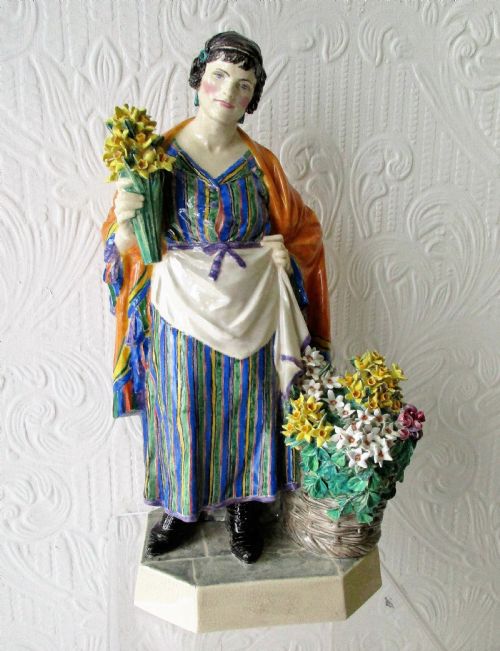
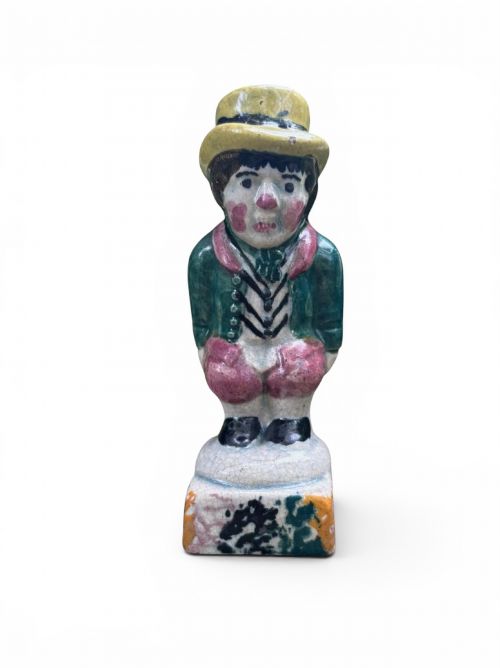
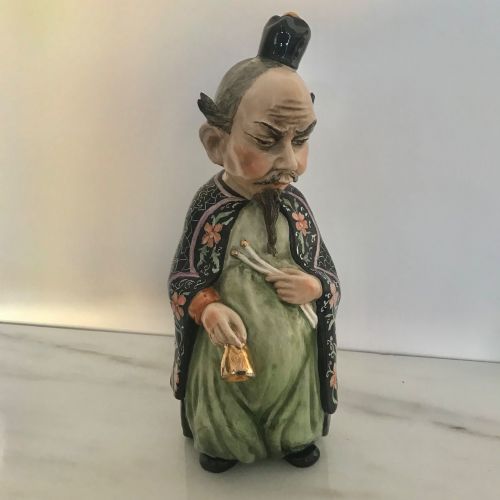
These polychrome pottery figurine examples bring together bright glazes, modelled clay and historical subjects to display on a mantelpiece.
Polychrome Pottery Figurine
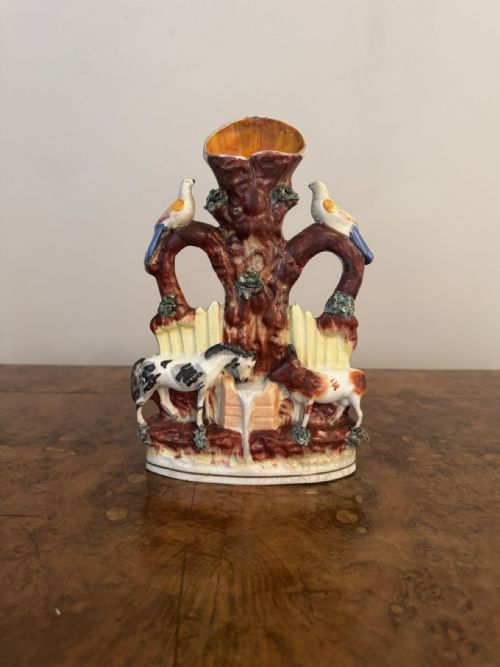
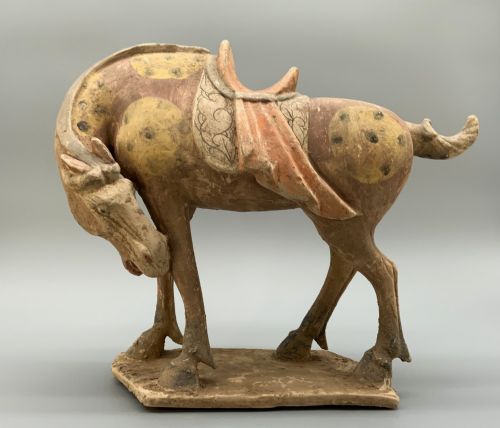
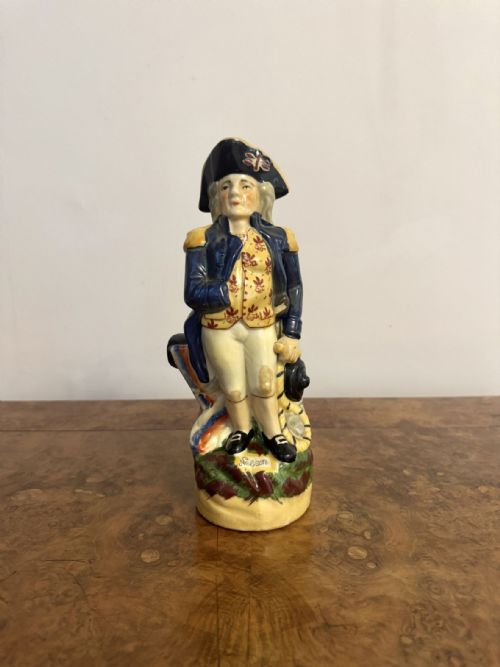
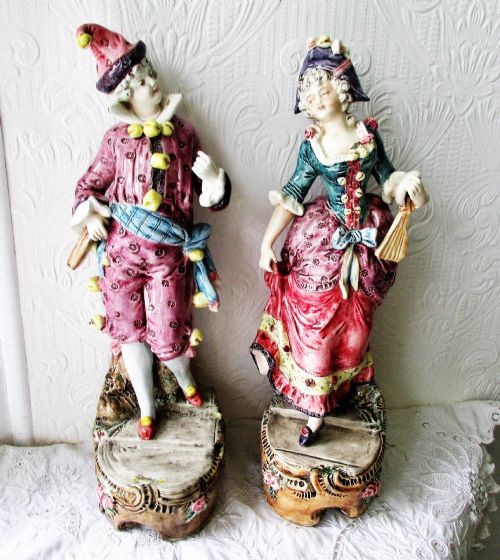
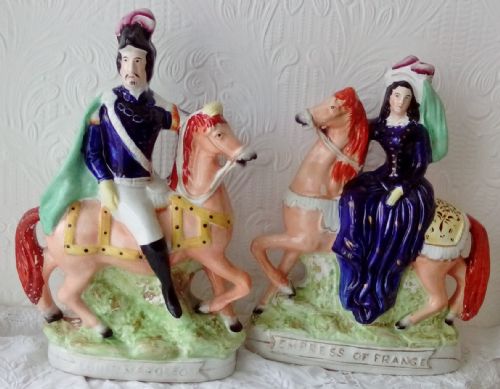
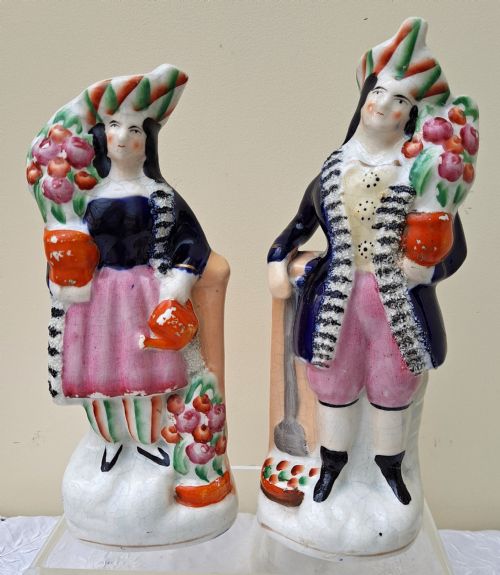
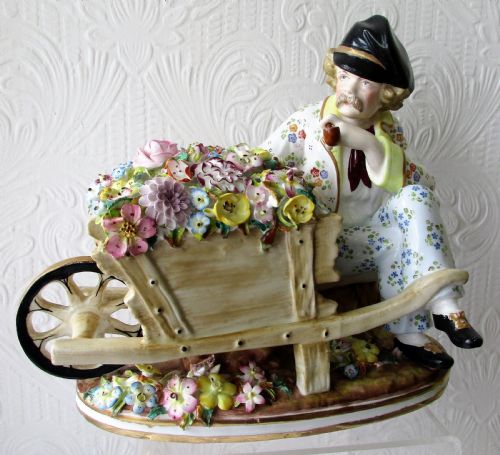
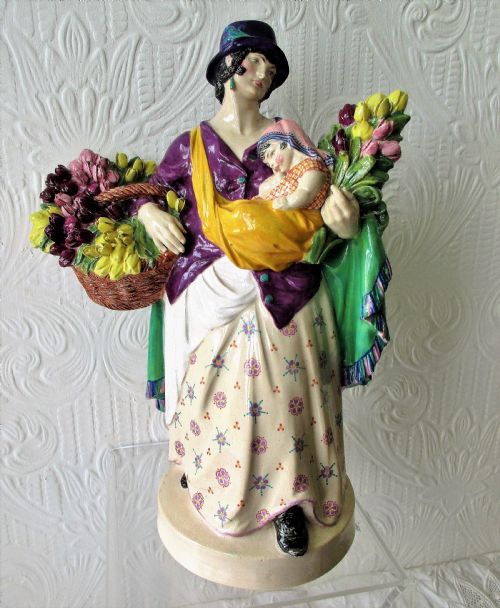
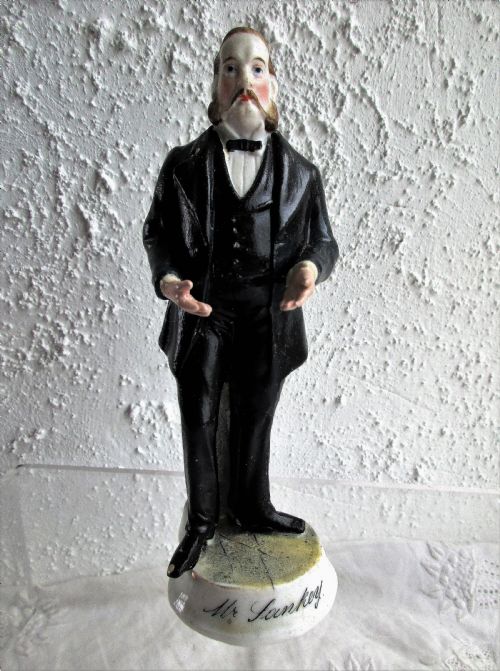
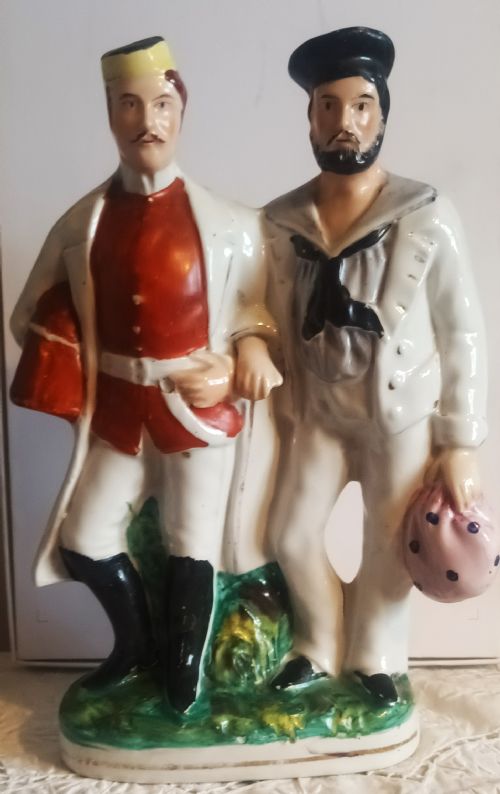
A polychrome pottery figurine is a modelled ceramic representation of a human, animal or scene, brought to life with multiple coloured pigments, enamels or glazes. When searching for a polychrome pottery figurine, buyers encounter a rich mix of nineteenth-century Staffordshire flatbacks, studio pottery figures and Asian ceramics. These pieces range from historical portraits and literary figures to rustic pairs and decorative ornaments.
The versions most commonly met on this page span the Victorian era, the early twentieth century and various Asian dynasties or periods. British earthenware figures sit alongside French faience, Japanese Satsuma okimono and Chinese porcelain pieces. They serve primarily as decorative mantel ornaments or cabinet display items rather than functional vessels.
How They Were Made
Makers shaped these pieces using earthenware, porcelain, faience or stoneware, often employing moulds for Staffordshire and French figures while potters threw or hand-modelled studio works. The clay bodies received initial biscuit firings before artisans applied underglaze colours, enamels or lead glazes.
Subsequent firings fused the colourful pigments and metallic oxides to the surface. Some objects incorporated hand-painting over the glaze, adding fine details to faces, garments and surrounding foliage.
Periods represented across the available inventory span the Victorian era, the Ming style and the Japanese Meiji period.
What Varies in Quality
Simpler production pieces often exhibit rushed brushwork and softer moulded details, whereas master potters achieved striking individual character and depth of colour through controlled kiln firing and skilled brush application.
Charles Vyse·John Bevington·Makuzu Kozan II
The Polychrome Pottery Figurine Glossary
- Staffordshire flatback
- A type of ceramic figure made in the Staffordshire potteries with a decorated front and a flat, unpainted back designed to stand against a wall.
- Okimono
- A Japanese decorative sculpture designed for display on a shelf or in a traditional alcove.
- Sancai
- A three-colour glaze technique characteristic of Chinese ceramics, typically employing amber, green and creamy white tones.
- Faience
- Tin-glazed earthenware produced in Europe, noted for its smooth, opaque white surface painted with coloured pigments.
- Prattware
- An early type of English earthenware decorated with cobalt blue, ochre, brown and yellow underglaze colours.
Polychrome Pottery Figurine: Frequently Asked Questions
How do I clean my figurine?
Dust the surface gently with a soft, dry brush to prevent the accumulation of dirt in crevices.
Avoid using water or chemical cleaners, as moisture can damage old glazes and delicate overglaze enamel painting.
Were these figures meant for display?
Most of these ceramic pieces were created specifically for interior decoration on mantelpieces, sideboards and display cabinets.
Some specialised forms, such as spill vases or incense holders, also served practical everyday functions in the home.
How do I tell Victorian from older pieces?
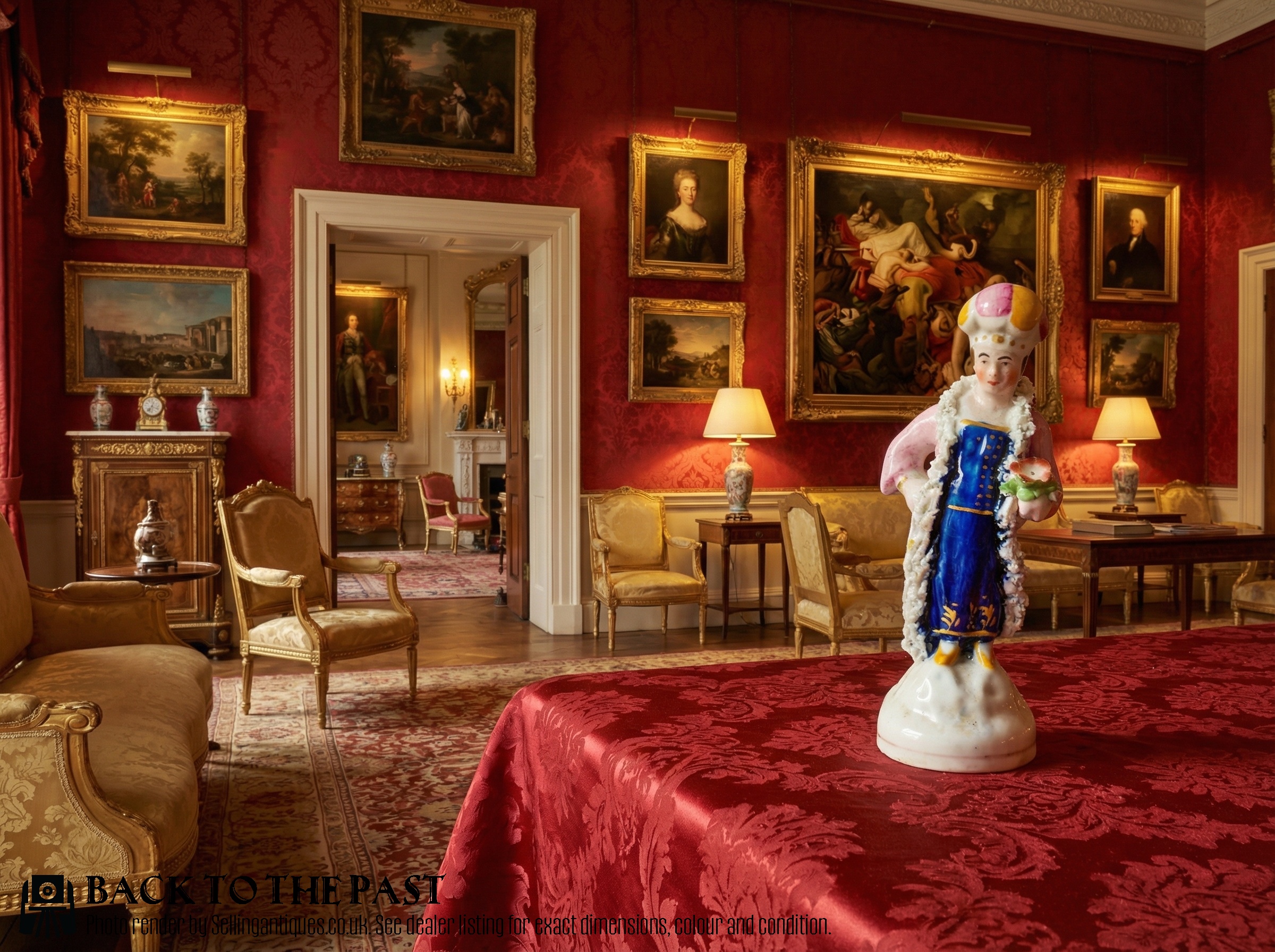
Victorian Staffordshire figures often display bright underglaze colours on flatbacked earthenware bodies intended for cottage mantelpieces.
Earlier Georgian or eighteenth-century examples frequently utilise refined pearlware or tin-glazed faience bodies with distinct palette characteristics.
Why do some figures have flat backs?
Potters in nineteenth-century Staffordshire left the backs unglazed and flat because the figures stood against cottage walls.
This method saved time and materials during production while ensuring the decorated front remained the primary focus.