




Polychrome Porcelain Vessel
A polychrome porcelain vessel brings together centuries of layered colour and fired earth, carrying narrative scenes across bowls, jars, and vases.
Polychrome Porcelain Vessel
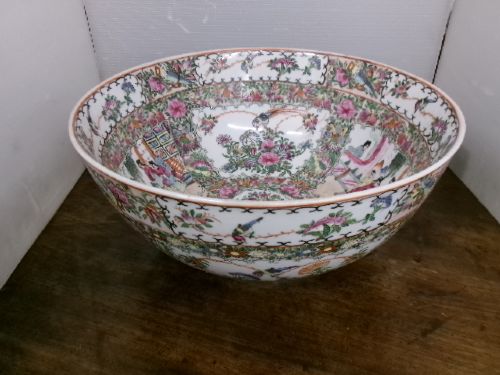
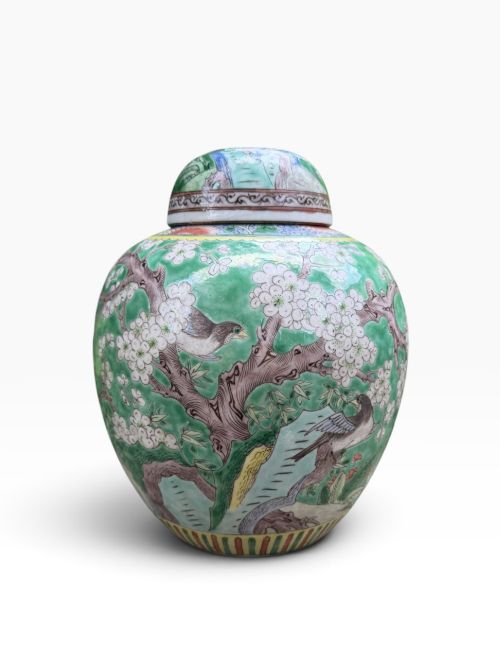
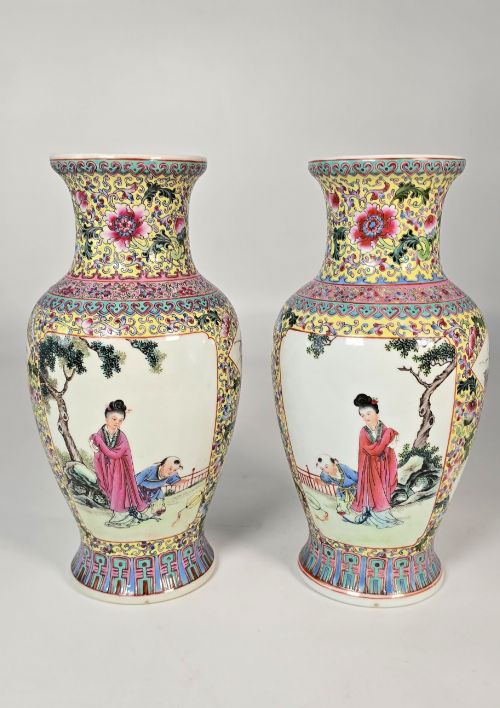
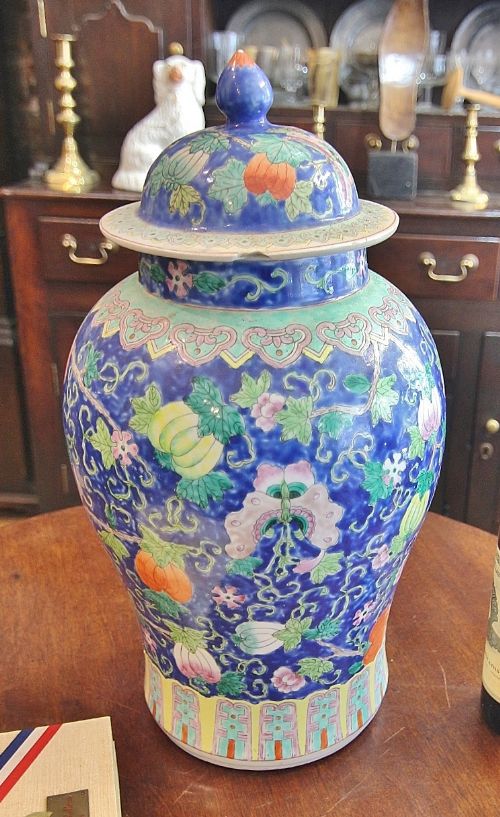
A polychrome porcelain vessel covers a diverse range of forms, from large Canton and famille rose bowls to delicate snuff bottles, ginger jars, and incense burners. These pieces span the eighteenth to the twentieth centuries, reflecting long-standing ceramic traditions across China, Japan, and Europe.
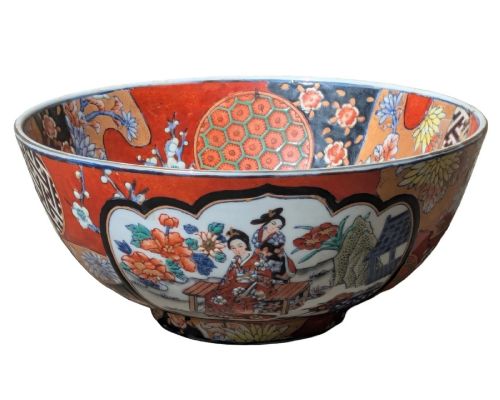
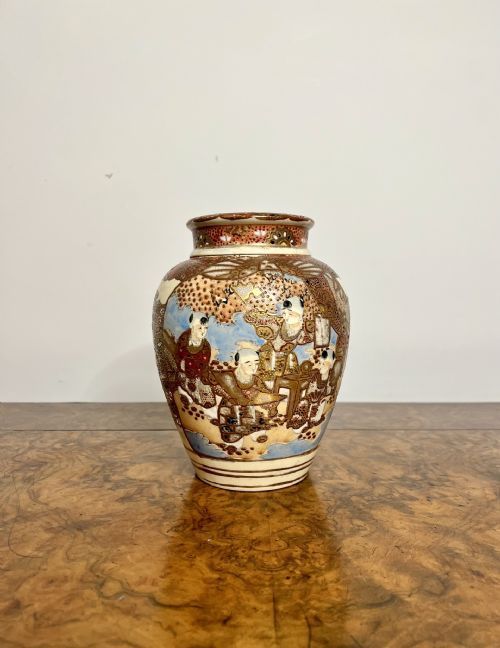
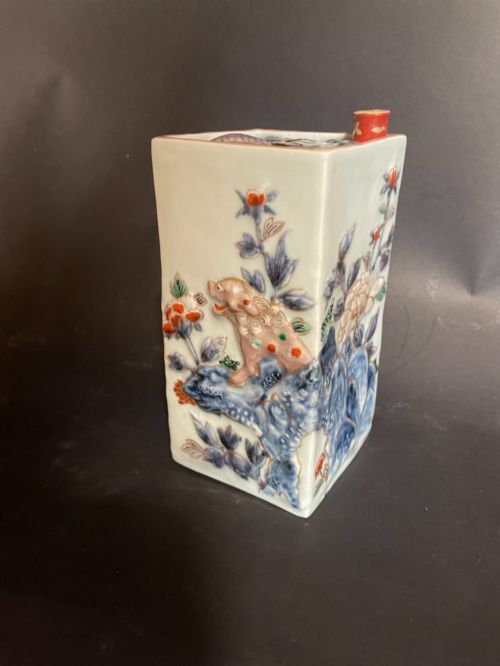
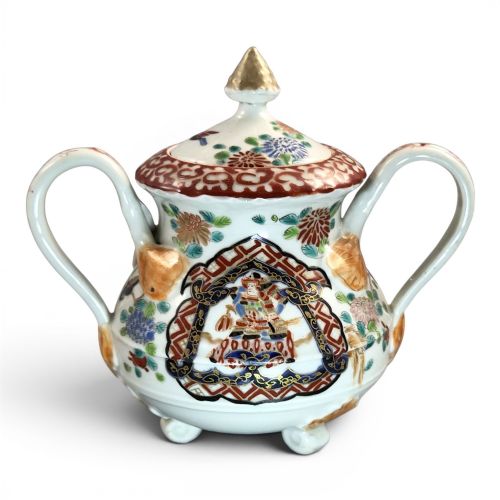
The most common examples encountered in this selection are nineteenth-century Chinese export wares and Japanese Satsuma, Imari, and Kutani pieces. They appear as vases, covered jars, and decorative bowls, often displaying complex figural or floral designs executed in multiple colours.
Materials and construction
Potters shaped hard-paste porcelain and ceramic bodies before applying underglaze pigments or enamel paints over the fired surface. Artisans frequently integrated gold leaf, gilt highlights, and intricate enamel work to build up rich, multi-layered ornamentation.
Techniques varied from the delicate brushwork of Chinese famille rose and doucai palettes to the dense, thousand-flowerhead applications found on Japanese Satsuma and Kutani wares. Firing processes secured these vibrant mineral colours to the glaze, resulting in durable, glossy finishes.
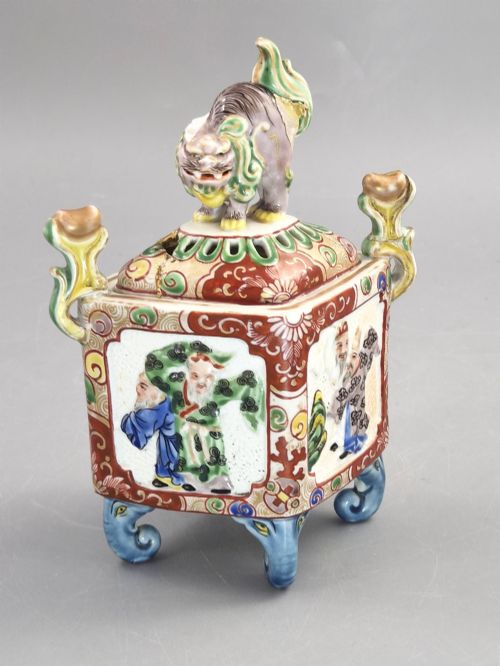
Several incense burners double as mythical treasure ships and ferocious guardian lions ready to ward off bad luck.
Distinctions in craftsmanship
Quality rests upon the precision of the hand-painted detail and the clarity of the underlying porcelain body. Finer pieces demonstrate superior brush control in complex figural scenes, deliberate placement of gilt or enamel, and well-balanced forms that maintain structural integrity.
Artisanal execution distinguishes standard production items from masterworks bearing specific reign marks or workshop signatures. The depth of the colour palette, the crispness of the glaze, and the intricacy of modelled elements such as handles or finials mark the upper tier of the range.
Duesbury & Kean·Royal Worcester·Kinkozan·Sitzendorf·Fukagawa
The Polychrome Porcelain Vessel Glossary
- Famille rose
- A palette of opaque pink and red enamels introduced during the Qing dynasty. This technique allowed artisans to achieve delicate tonal gradations in floral and figural compositions.
- Imari
- A style of Japanese export porcelain featuring deep underglaze blue combined with iron red, gilt, and supplementary colours. These wares typically display dense, geometric and floral panel designs.
- Koro
- A traditional Japanese incense burner, frequently supported on feet and fitted with a pierced cover. They often incorporate decorative figural elements such as shishi lions or elephant heads.
- Satsuma
- A type of Japanese earthenware featuring a crackled ivory glaze decorated with polychrome enamels and gold. Wares from this tradition span detailed figural scenes to dense botanical patterns.
- Doucai
- A Chinese technique combining underglaze blue outlines with overglaze enamel colours filled in subsequent firings. This method produces a distinct contrasting effect on bowls and jars.
Polychrome Porcelain Vessel: Frequently Asked Questions
How do I care for antique polychrome vessels?
Dust these items gently with a dry, soft cloth to protect delicate overglaze enamels and applied gold leaf from abrasion. Avoid using chemical cleaners or immersing painted ceramic pieces in water.
Keep vessels away from direct sunlight to preserve the vibrancy of the mineral colours over time. Handle them carefully by the body rather than relying on thin handles, lids, or finials for support.
Where were these pieces originally made?
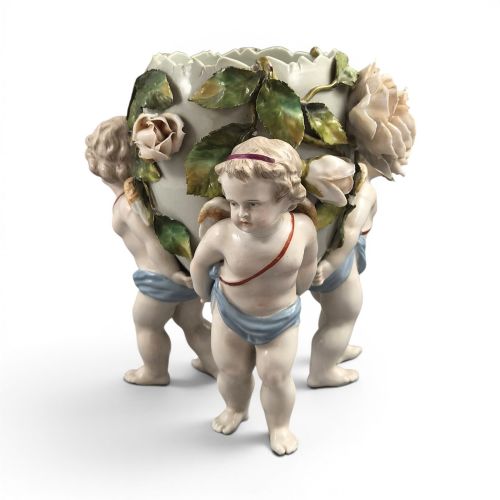
The selection includes works from major East Asian ceramic centres in China and Japan, alongside European factories such as Derby, Worcester, and Sitzendorf. Each region developed distinct potting clays and painting traditions.
Chinese pieces often reflect imperial dynasties and export markets, while Japanese works mirror regional styles like Satsuma, Kutani, and Imari. European potteries adapted these aesthetic influences to local forms such as urns, commode bough pots, and mugs.
How are different periods identified?
Periods are determined by examining reign marks, potting styles, and the specific composition of the glaze and enamels. Stylistic shifts, such as the transition from eighteenth-century Qianlong standards to nineteenth-century Canton production, provide clear chronological markers.
Material analysis of the ceramic body, alongside workshop signatures where present, helps narrow down the date of creation. Comparing form and decorative motifs against documented examples confirms the era of manufacture.
What functions did these vessels serve?
Many items were created for display, serving as decorative centerpieces, temple incense burners, or storage jars for ginger and dry goods. Covered vessels protected their contents while contributing to interior decoration.
Smaller objects like snuff bottles and cups were designed for personal use, combining practical function with intricate miniature artistry. Larger vases and urns anchored domestic room schemes across both Asian and European interiors.