



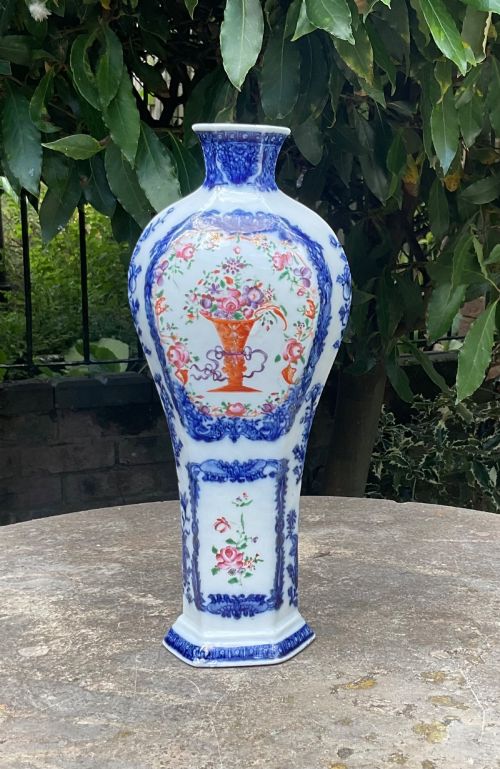

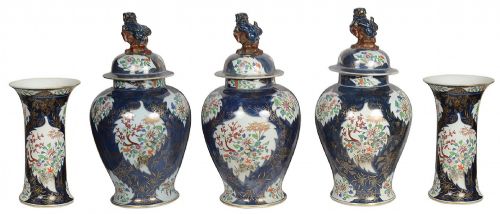

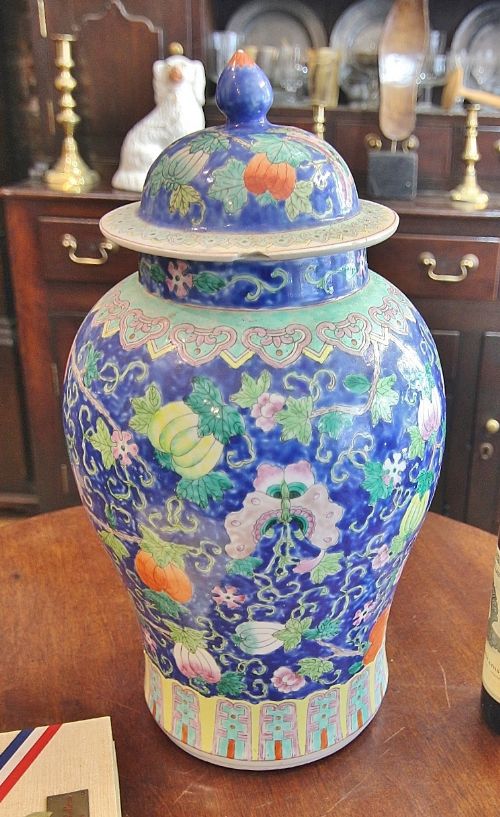
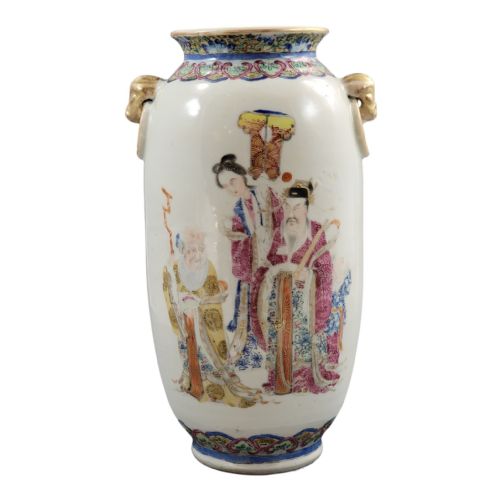


Enameled Ceramic Jar
An enameled ceramic jar brings vibrant colour and meticulous hand-painted detail to a room, offering a tangible link to centuries of Asian and European pottery traditions.
Enameled Ceramic Jar
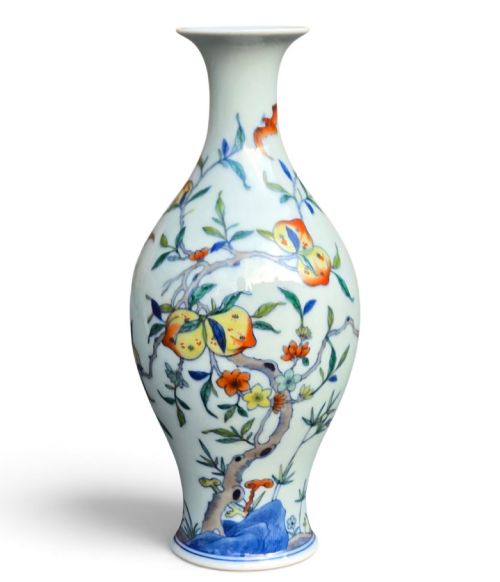
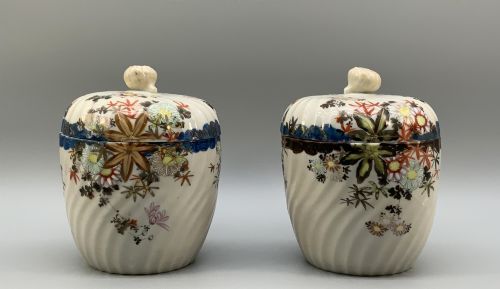
When you search for an enameled ceramic jar, you encounter a diverse array of lidded vessels, ginger jars, and decorative urns originating from Chinese and Japanese kilns. The pieces on this page span several centuries, with nineteenth-century examples and Qing Dynasty items appearing most frequently alongside twentieth-century studio works.
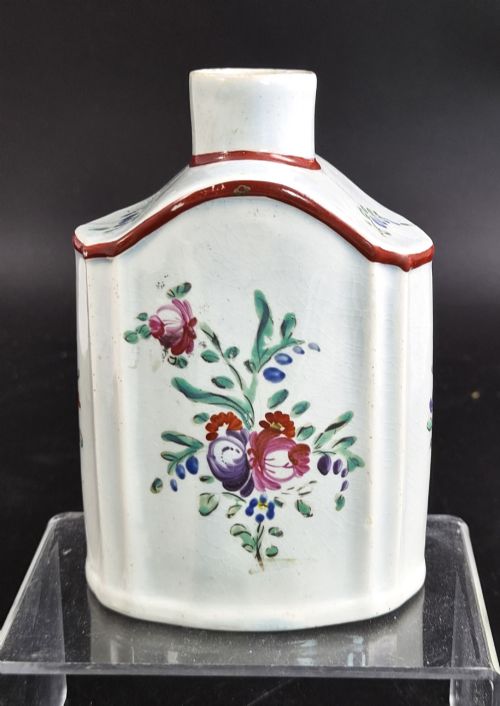
Forms range from small lidded pots and ginger jars to monumental floor vases and incense burners. Alongside Asian export wares, the selection includes European interpretations such as Italian majolica and Chinoiserie styles.
How they were made
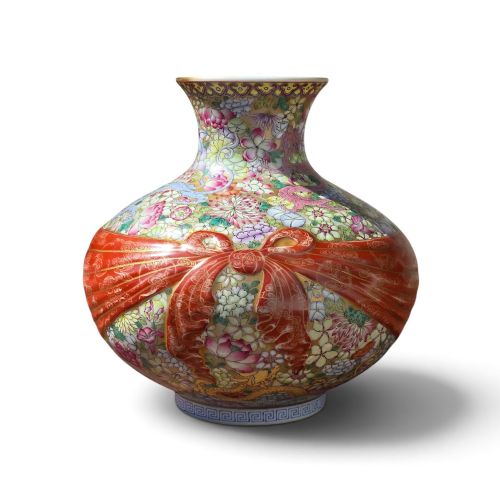
Potters shaped these vessels from ceramic, earthenware, and porcelain bodies before applying intricate surface designs. Artisans utilised overglaze enamels, iron-red pigments, and gold leaf to create detailed floral, dragon, and figural scenes.
Many items incorporate glaze techniques such as doucai, wucai, and famille rose palettes. Specialised methods like totai shippo combine cloisonné enamel directly onto ceramic surfaces.
Enameled Ceramic Jar Retail Price Guide 2026
Typical asking prices for enameled ceramic jar among the pieces listed under this phrase on Sellingantiques today, from the lower quarter to the upper quarter. They describe what is for sale here now, not the wider market.
Listings span multiple centuries, uniting eighteenth-century famille rose pieces with nineteenth-century Japanese porcelain and twentieth-century studio ceramics.
What varies in quality
Quality rests upon the precision of the hand-painted brushwork and the complexity of the enamel palette. Superior examples display crisp definition in multi-coloured motifs, balanced composition, and refined potting.
The sophistication of the glaze work and the preservation of overglaze details and gold leaf dictate the standing of a piece. Maker signatures or specific period marks further distinguish exceptional studio and factory output.
Shizan·Makuzu Kozan II
The Enameled Ceramic Jar Glossary
- Famille rose
- A palette of opaque enamels dominated by pink or rose colours, introduced in Chinese ceramics during the Qing dynasty. This technique allowed for subtle gradations of tone in floral and figural decorations.
- Ginger jar
- A wide-shouldered, short-necked ceramic vessel originally used for storing spices and salt. Later centuries saw these utilitarian containers transformed into decorative display pieces.
- Koro
- A traditional Japanese incense burner typically featuring a lid and three or more feet. These vessels appear in porcelain and earthenware with detailed enamel or metallic decoration.
- Totai shippo
- A Japanese technique where cloisonné enamel wires and pastes are applied directly to a ceramic or porcelain body. The piece is then fired and polished to a smooth finish.
- Doucai
- A Chinese porcelain decorating technique combining underglaze blue outlines with overglaze contrasting enamels. Artisans fill in the painted areas with precise colour washes before a second firing.
Enameled Ceramic Jar: Frequently Asked Questions
How were ginger jars used originally?
These lidded vessels served primarily to store spices, oils, and preserved ginger in households and during transport. Their practical shape kept contents sealed from air and moisture.
Over time, Western appreciation transformed them into purely decorative objects for mantelpieces and display cabinets.
How do I identify a Qing Dynasty piece?
Look for characteristic potting techniques, specific overglaze enamel palettes such as famille rose, and traditional motifs like dragons and floral panels. Reign marks on the base often provide further clues to the manufacturing period.
Comparison with documented examples from the same era helps confirm authenticity and date.
How should I display an antique ceramic jar?
Place the vessel on a stable surface away from direct sunlight to protect delicate overglaze enamels and gilding. Ensure the display area has consistent humidity to preserve the ceramic body.
Pairing lidded jars with matching bases or displaying them as pairs enhances their visual symmetry in a room.