




Polychrome Porcelain Centerpiece
A polychrome porcelain centrepiece brings vibrant colour and complex form to a dining table or sideboard, drawing the eye with hand-painted scenes and gilded details.
Polychrome Porcelain Centerpiece
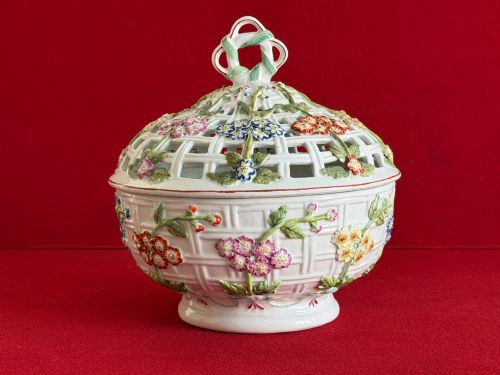
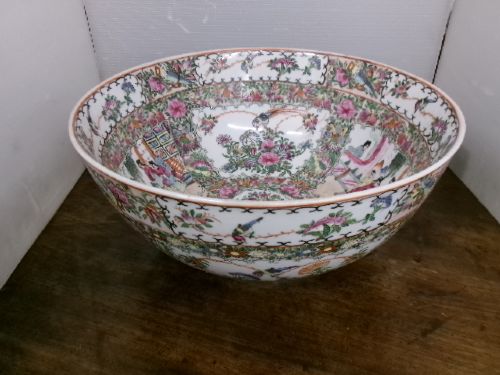
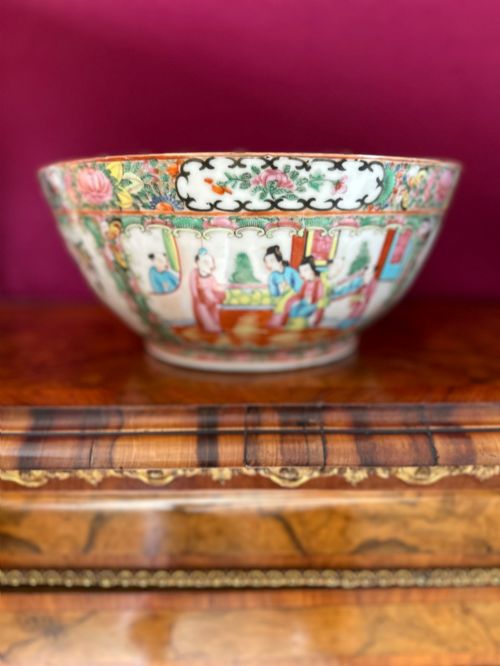
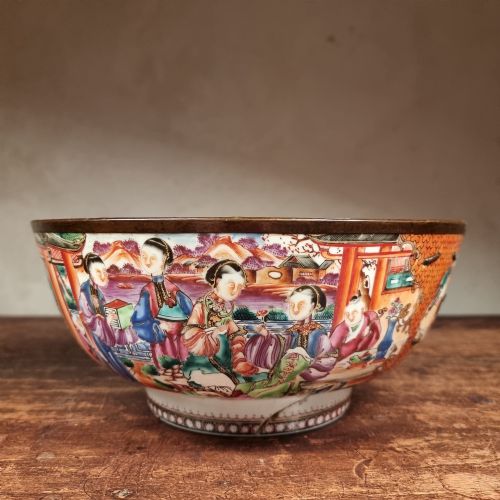
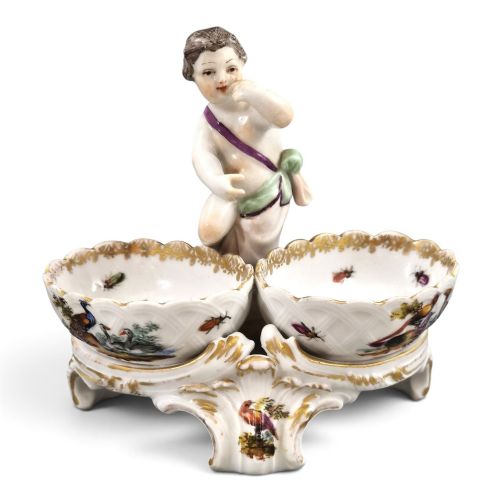
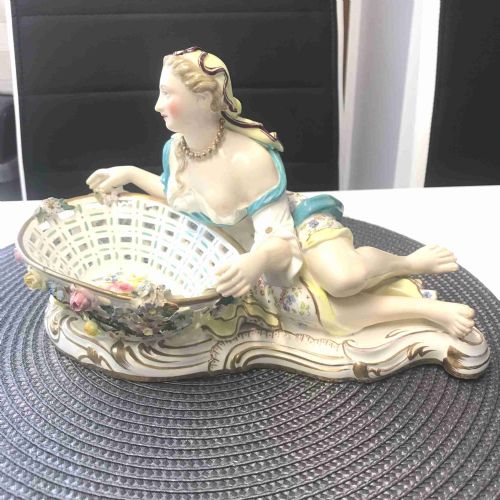
A polychrome porcelain centrepiece serves as a decorative focal point, taking the form of large bowls, figural stands, sweetmeat baskets, and tazzas. These pieces range from Georgian English porcelain and 18th-century continental factories to Chinese export wares and Japanese Satsuma production.
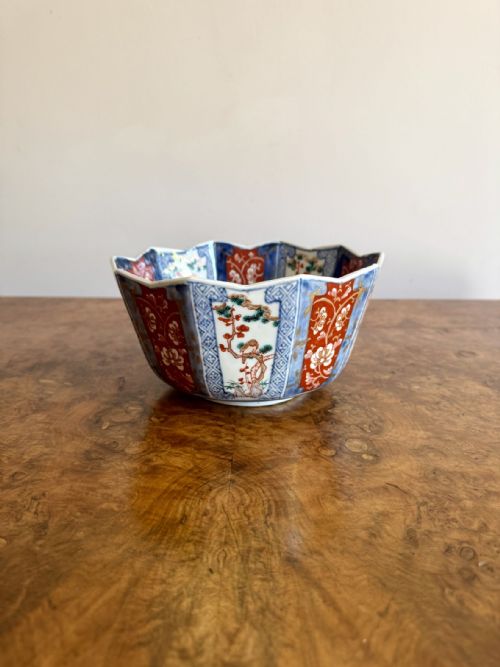
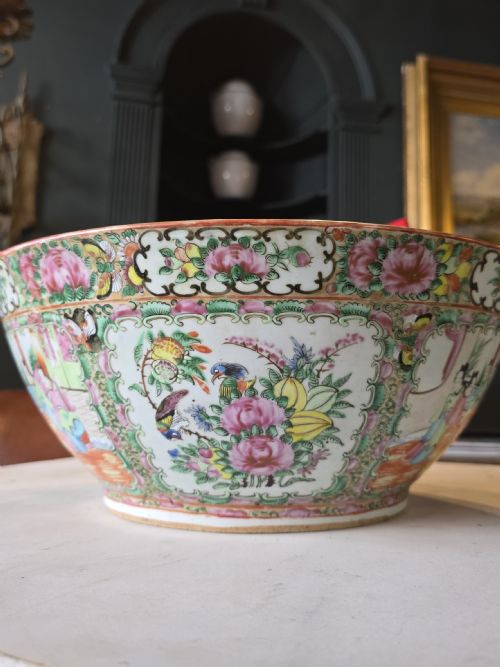
The selection includes elaborate German figurative groupings with putti and applied flowers alongside expansive Chinese Canton punch bowls and Japanese Imari vessels. Such objects occupy the centre of a table or display surface, designed historically to hold fruit, sweetmeats, or floral arrangements.
Makers span European porcelain houses such as Meissen, Worcester, and Derby, alongside Asian kilns producing famille rose and blue-and-white or multi-coloured enamelled designs. Dating stretches across the eighteenth, nineteenth, and early twentieth centuries, encompassing Victorian, Regency, and Meiji period aesthetics.
Materials and construction
Makers utilised hard-paste and soft-paste porcelain bodies, shaping them by throwing on a wheel, pressing into moulds, or building intricate figural components by hand. Artisans applied cobalt underglazes and rich enamels over the fired body before a second firing fixed the palette.
Gilding with gold leaf and burnished gold adds metallic contrast to the painted surfaces, while ormolu mounts occasionally secure Chinese and European bowls. Applied elements, including dimensional roses, cherubs, and foliage, require precise individual attachment prior to glazing.
Musical putti and elephants conquering India populate the table alongside more traditional fruit baskets and floral arrangements.
Factors separating examples
The complexity of the form dictates standard, with multi-tiered figural centerpieces, pierced basketwork, and elaborate applied flowers demanding greater technical skill from the potter. Preservation of the original gilding and the stability of applied sculptural details also influence the standing of an individual piece.
Derby Porcelain·KPM Berlin·Meissen·Ryuzan·Volkstedt·Plaue Schierholz·Minton·Kister Scheibe Alsbach·Chamberlain Worcester·Mason's·Carl Thieme Dresden
The Polychrome Porcelain Centerpiece Glossary
- Polychrome
- Decorated in multiple colours. This multi-coloured enamel palette distinguishes these ceramics from monochrome or purely blue-and-white wares.
- Centrepiece
- A large decorative object placed in the middle of a table. These vessels historically held fruit, sweetmeats, or flowers for formal dining.
- Sweetmeat
- A small confection or sweet. Dishes and baskets made for these treats feature shallow compartments or pierced galleries.
- Famille rose
- A Chinese porcelain palette dominated by opaque pink enamel introduced in the eighteenth century. It appears frequently on Canton punch bowls and export vessels.
- Imari
- A Japanese export style combining underglaze blue with iron red and gold. Pieces from this tradition display dense geometric and floral patterns.
Polychrome Porcelain Centerpiece: Frequently Asked Questions
What were polychrome porcelain centrepieces used for?
These large vessels held fruit, sweetmeats, or floral arrangements during formal dining and entertaining.
They served as conversational centrepieces on dining tables or display pieces on sideboards.
How do I date a porcelain centrepiece?
Dating relies on factory marks stamped or painted on the base, stylistic traits, and the composition of the ceramic body.
Comparison with documented pieces from factories like Meissen or Worcester narrows the period.
How do I care for antique porcelain?
Dust these items gently with a soft, dry brush and avoid abrasive cleaning materials.
Keep them away from direct sunlight and areas prone to sudden temperature changes to protect the enamels and gilding.
What is the difference between hard-paste and soft-paste porcelain?
Hard-paste porcelain contains kaolin and petuntse fired at high temperatures, producing a dense, vitreous body.
Soft-paste incorporates glass frit or other ingredients, resulting in a warmer tone and a softer glaze surface.