



Polychrome Japanese Porcelain Plate
These polychrome japanese porcelain plate examples are vibrant decorative pieces defined by hand-painted pigments and gilt enrichment, prized for bringing rich colour to a cabinet or wall.
Polychrome Japanese Porcelain Plate
A polychrome japanese porcelain plate sits among vibrant export wares produced for domestic and international display during the Edo, Meiji, and Victorian eras. These items arrive in various formats, ranging from small cabinet plates to large chargers adorned with intricate motifs.
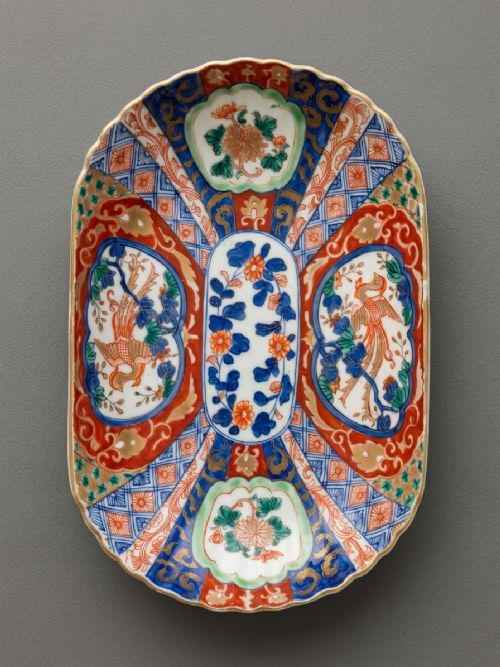
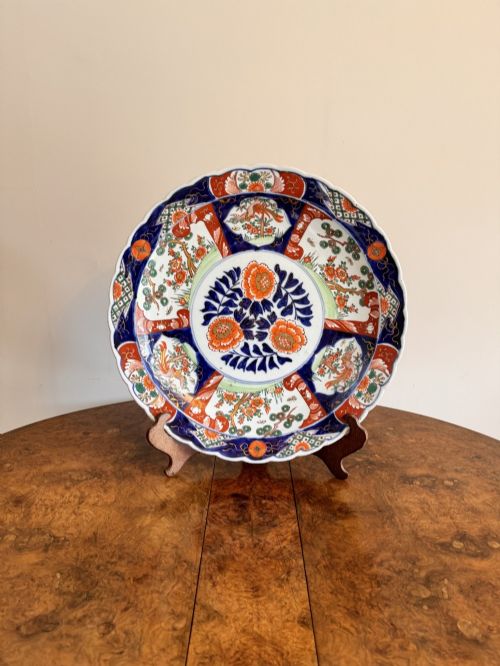
The version most frequently encountered on this page is the Japanese Imari charger or plate, typically dating from around the turn of the twentieth century. These pieces combine cobalt underglaze with iron-red and gilt details to form bold, repeating patterns.
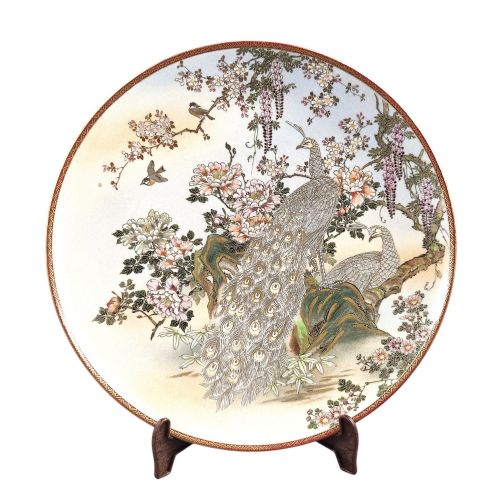
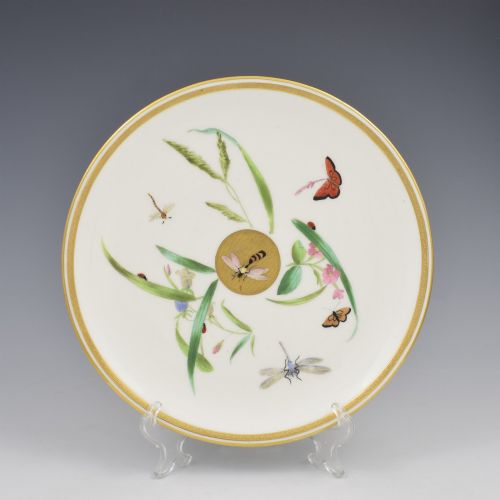
Beyond Imari styles, the selection includes Satsuma earthenware with moriage relief and Kutani pieces bearing hand-painted figural scenes. Collectors also encounter occasional European interpretations, such as Minton and Meissen works styled after Kakiemon originals.
Materials and methods of production
Production relies on fine porcelain and earthenware bodies shaped into plates, square dishes, and deep chargers. Artisans apply cobalt blue beneath a transparent glaze before firing the piece at high temperatures.
Overglaze enamel colours, including iron red and green, along with gold leaf or gilt highlights, are added during a secondary, lower-temperature firing. This technique fixes the palette securely to the hardened glaze surface.
Certain wares employ moriage technique, building up raised clay paste beneath enamels and gold to create tactile, textured surfaces on chargers and vases.
Polychrome Japanese Porcelain Plate Retail Price Guide 2026
Typical asking prices for polychrome japanese porcelain plate among the pieces listed under this phrase on Sellingantiques today, from the lower quarter to the upper quarter. They describe what is for sale here now, not the wider market.
Some nineteenth-century plates slyly depict European trade vessels, known locally as Black Ships, sailing into Japanese waters.
Distinctions in quality and execution
Quality rests in the precision of the hand-painted brushwork and the clarity of the cobalt underglaze. Superior examples display disciplined control over dense geometric and floral motifs without smudging or misalignment.
The application of gold leaf and overglaze enamels marks another clear division in standard. Finer specimens retain thick, lustrous gilding and well-defined pigment borders that withstand careful examination.
The Polychrome Japanese Porcelain Plate Glossary
- Imari
- A style of Japanese porcelain originating from the port of Imari, heavily characterised by underglaze blue, iron red, and gilt. It dominated export markets throughout the Edo and Meiji periods.
- Moriage
- A decorative ceramic technique featuring raised slip or clay dots and lines applied before painting and firing. This method adds a pronounced three-dimensional texture to the design.
- Kakiemon
- An asymmetrical Japanese porcelain style featuring fine enamel painting in soft colours on a milky white body. European factories frequently copied these distinct palettes.
- Meiji Period
- The era in Japanese history spanning from 1868 to 1912, noted for a massive output of highly detailed export wares. Works from this time often exhibit complex pictorial narratives.
- Charger
- A large decorative plate intended for display on a sideboard or wall rather than for dining use. These substantial pieces provide a wide surface for intricate compositions.
Polychrome Japanese Porcelain Plate: Frequently Asked Questions
How were these plates used?
These pieces served primarily as decorative items for display in cabinets, on walls, or upon sideboards rather than for daily dining.
Larger chargers and plates were specifically designed to showcase the skill of the potter and painter to visiting guests.
How do I tell Imari from Satsuma?
Imari wares use a hard porcelain body with a distinct palette of cobalt blue, iron red, and gold, often featuring geometric and floral panels.
Satsuma pieces utilise a cream-coloured, crackle-glazed earthenware body, frequently decorated with dense figural scenes and raised moriage work.
Can I wash these plates with water?
Dusting with a dry, soft brush is generally sufficient and safest for preserving delicate overglaze enamels and fragile gold leaf.
Avoid soaking or using abrasive detergents, as moisture can degrade aged repairs and weaken nineteenth-century enamel surfaces.