





Polychrome Floral Charger
These polychrome floral charger pieces are large decorative dishes defined by vibrant hand-painted colour, offering striking wall or table display.

Polychrome Floral Charger
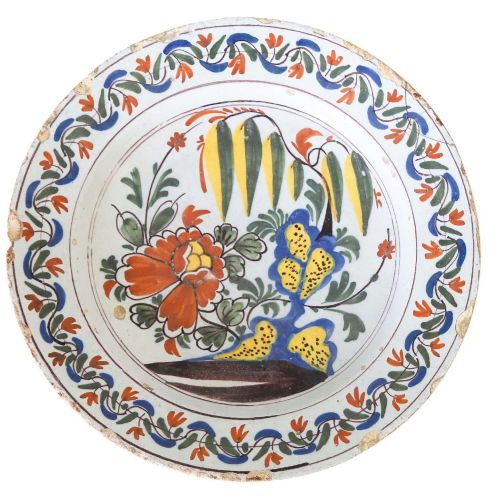
A polychrome floral charger is a wide decorative dish designed primarily for display rather than dining. The pieces seen here span centuries and origins, ranging from English and Dutch tin-glazed earthenware to Japanese porcelain and cloisonne.
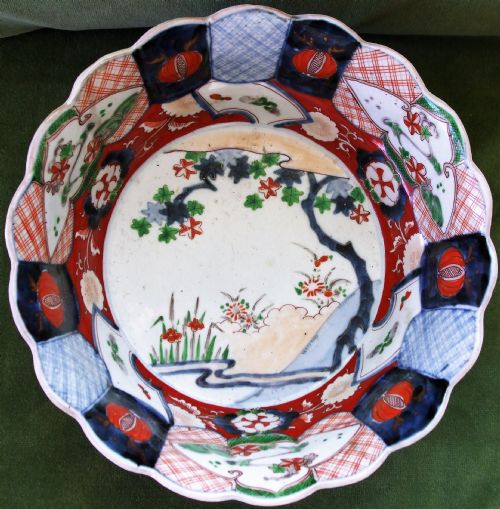
You will most frequently encounter Japanese Imari examples from the Meiji period or around nineteen hundred, alongside eighteenth-century European Delftware. These substantial plates feature generous diameters that showcase elaborate hand-painted floral motifs and geometric borders.
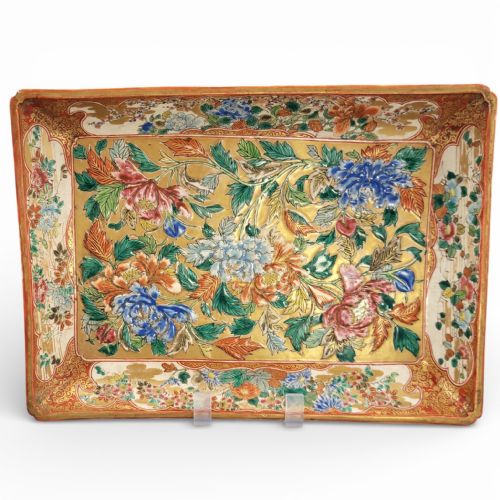
Makers utilised various surfaces including ceramic, porcelain, and copper bases for enamel work. Forms extend from shallow bowls and platters to deep charger plates decorated with peonies, wisteria, and auspicious symbols.
How they were made
Potters shaped ceramic and porcelain bodies by hand or on the wheel before applying base glazes. Tin-glazed earthenware received an opaque white glaze that provided a smooth canvas for subsequent pigment application.
Artists painted details using mineral pigments in multiple colours, frequently combining iron red, cobalt blue, and gold leaf. Firing in kilns fixed the enamel and underglaze colours permanently to the body.
Japanese Meiji and Edo periods appear alongside Dutch and English Delftware traditions.
What varies in quality
The precision and detail of the hand-painted brushwork separate standard production from superior examples. Skilled artists achieved greater depth and clarity in floral subjects like peonies and wisteria.
The richness of the palette, including the controlled application of gold leaf and vibrant enamel, determines visual impact. Consistency in the glaze finish and the crispness of moulded or hammered edges also distinguish finer pieces.
The Polychrome Floral Charger Glossary
- Polychrome
- Decorated in multiple colours. This term describes ceramics and enamel items featuring varied pigments rather than a single monochrome glaze.
- Charger
- A large decorative plate or platter. These items typically measure significantly wider than standard dining plates and were made for display.
- Imari
- Japanese porcelain decorated in underglaze blue, iron red, and gold. The style originated in Japan for export and heavily influenced European potteries.
- Cloisonne
- Enamelwork created by soldering wire compartments to a metal base. Artisans filled the resulting cells with coloured paste before firing and polishing.
- Moriage
- Raised enamel decoration applied to ceramics. This technique creates a tactile, three-dimensional surface effect on Japanese vessels.
Polychrome Floral Charger: Frequently Asked Questions
How were polychrome floral chargers displayed?
These large dishes were traditionally set on sideboards, mounted in cabinets, or hung directly on walls using wire plate hangers. Their generous scale and bright pigments made them focal points in formal rooms.
Today, owners continue to display them on sturdy wall brackets or tabletop stands. Placing them away from direct heat sources helps preserve the stability of the glaze and enamel.
What is the difference between Delftware and Imari?
Delftware is a European tin-glazed earthenware typically characterised by a chalky white background and hand-painted floral or geometric patterns. It originates primarily from English and Dutch kilns.
Imari refers to Japanese porcelain produced for export, distinguished by a palette of iron red, cobalt blue, and gold leaf. The porcelain body is harder and more translucent than earthenware.
Can these chargers be used for food?
Most antique chargers served decorative purposes or held dry provisions rather than functioning as modern dinnerware. The composition of early glazes and delicate enamels makes daily culinary use impractical.
Cleaning should remain limited to gentle dusting or careful wiping with a dry cloth. Moisture can seep into old earthenware bodies through microscopic crazing if washed excessively.
How do I identify the Meiji period?
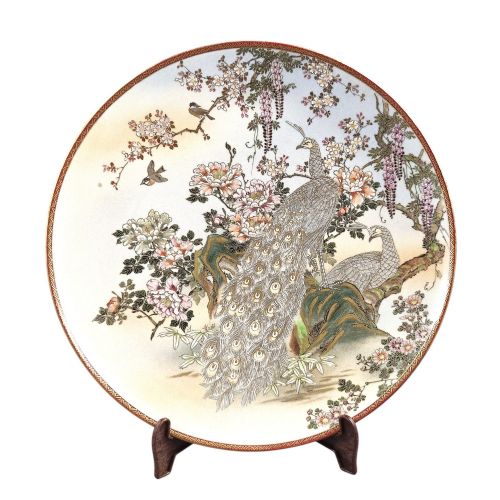
The Meiji period corresponds to the reign of the Emperor Meiji in Japan, spanning the late nineteenth and early twentieth centuries. Pieces from this era often exhibit highly intricate decorative schemes and refined export qualities.
Markings on the base, specific artist signatures like Shozo, and distinct motifs such as wisteria or peacocks help confirm this chronological window.