



Polychrome Enamel Satsuma
Polychrome enamel satsuma pieces are richly decorated Japanese ceramics that bring intricate hand-painted detail and gilt work to any room.
Polychrome Enamel Satsuma
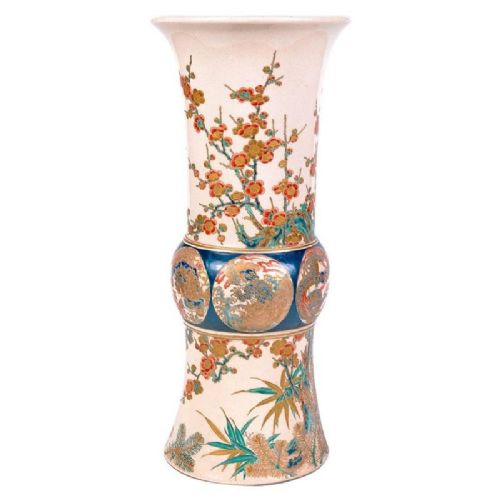
When you search for polychrome enamel satsuma, you are looking at Japanese ceramics spanning the nineteenth century, the Edwardian era, and the early Showa period. These items arrive in various forms, most commonly as vases, chargers, decorative plates, bowls, saucers, dishes, and incense burners.
The objects displayed on this page show distinct design traditions originating from Kyoto and makers working during the Meiji and Showa periods. Buyers frequently encounter vessels featuring dense floral motifs, figurative scenes, and the characteristic Shimazu mon.
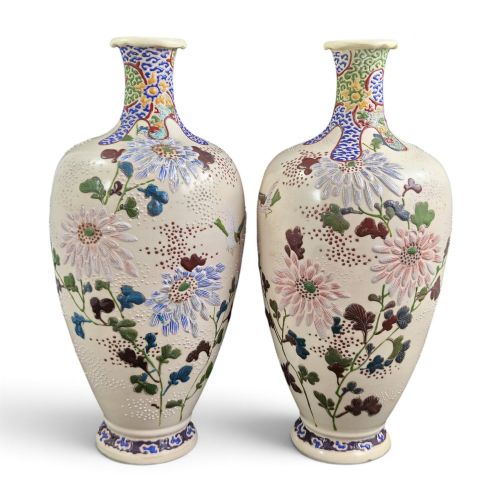
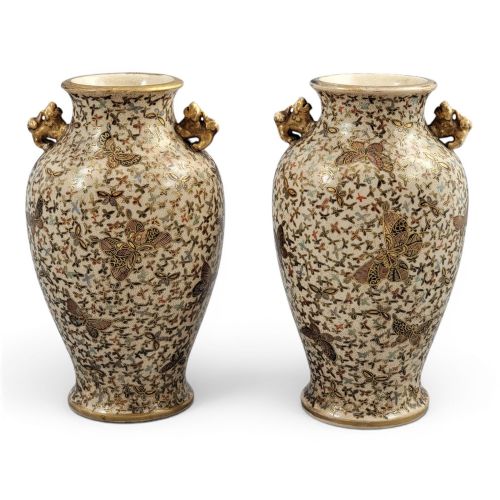
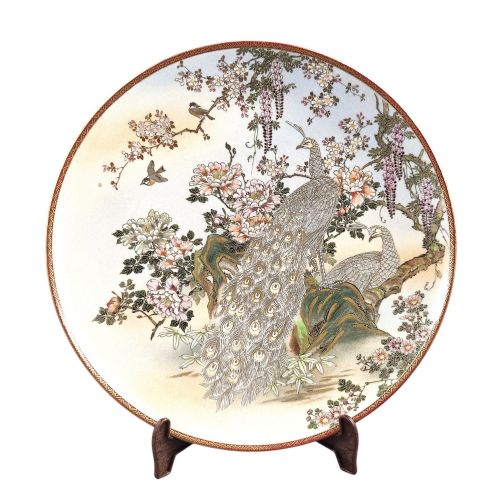
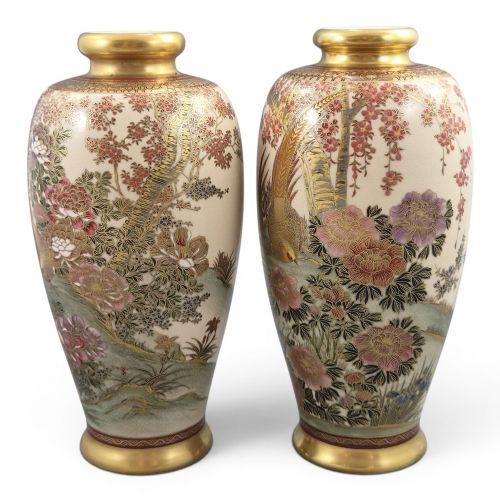
Vases and chargers form the majority of the available selection, often decorated with elaborate subjects such as chrysanthemums, wisteria, peonies, peacocks, and thousands of butterflies or flowerheads. These pieces capture the ornate aesthetic developed for export during late nineteenth and early twentieth century Japan.
How they were made
Makers shaped these items from earthenware and glazed ceramic, providing a fine canvas for subsequent decoration. Artisans applied complex polychrome enamel and gold leaf, frequently incorporating raised moriage paste to build textured floral and geometric patterns.
The surface painting combines fine linework in gilt and coloured enamels, often layered directly over a crackle-glazed earthenware body. Signed pieces reveal the hand of skilled studio artists and workshops working within established Meiji and Showa traditions.
Polychrome Enamel Satsuma Retail Price Guide 2026
Typical asking prices for polychrome enamel satsuma among the pieces listed under this phrase on Sellingantiques today, from the lower quarter to the upper quarter. They describe what is for sale here now, not the wider market.
Some thousand butterfly vases boast so many painted wings that counting them all requires extreme patience and a steady magnifying glass.
What varies in quality
Quality rests upon the precision of the brushwork and the complexity of the enamelling, where finer pieces display extraordinarily detailed figures and meticulous thousand flowerhead designs. The application of gold leaf and raised moriage texture also dictates the standing of an individual vessel.
Exhibition quality examples show superior control over the intricate patterns and feature signatures from recognised makers such as Manpei, Kinzan, Shuzan, or Yabu Meizan. The crispness of the underlying earthenware form and the preservation of the delicate gilt details ultimately separate standard production from masterwork output.
Manpei·Kinzan·Shuzan·Hododa·Kinkozan
The Polychrome Enamel Satsuma Glossary
- Moriage
- A decorative technique using slip applied in raised dots or lines to create a textured, three-dimensional effect beneath the enamels. This method defines the tactile surface of many Satsuma vases and chargers.
- Mon
- A traditional Japanese heraldic emblem or crest used to identify families or clans. The Shimazu clan mon frequently appears on Satsuma ware associated with the Satsuma domain.
- Millefleur
- A dense pattern composed of thousands of individual painted flowerheads covering the entire surface of the ceramic. This French term describes the thousand flowers motif seen on Satsuma bowls and vases.
- Koro
- A traditional Japanese incense burner typically featuring a pierced lid and three or more feet. These vessels often incorporate rich enamel and gilt decoration.
- Charger
- A large decorative plate intended for display rather than table service. These substantial pieces provide a wide surface for complex figurative or floral compositions.
Polychrome Enamel Satsuma: Frequently Asked Questions
What is polychrome enamel satsuma ware?
Polychrome enamel satsuma refers to Japanese earthenware ceramics decorated with colourful enamels and gold leaf, originating mainly from the Meiji and Showa periods. These decorative items include vases, bowls, dishes, and chargers featuring intricate floral and figurative designs.
The style became widely known through export wares produced for international markets, showcasing meticulous craftsmanship and distinctive crackle glazes.
How do I identify a Meiji period piece?
Meiji period pieces generally date between eighteen sixty-eight and nineteen twelve, reflecting the artistic styles and export demands of that era. Look for fine gilt work, dense pictorial or floral compositions, and traditional studio signatures.
Examine the ceramic body and glaze characteristics, as nineteenth-century pieces often display specific potting traits distinct from later Showa era production.
How should I display satsuma chargers and vases?
Satsuma chargers suit wall mounting using appropriate plate hangers or display stands on sturdy surfaces. Vases and incense burners look best placed where natural light can highlight the gilt details and polychrome enamel colours.
Keep these delicate earthenware items away from direct sunlight and areas prone to sudden temperature shifts to protect the glaze and enamel layers.
What do the signatures on the bottom mean?
Signatures on the base usually name the artist, workshop, or studio responsible for decorating the piece. Names like Yabu Meizan, Kinzan, or Shuzan indicate specific makers whose work is documented in Japanese ceramic history.
Some marks also reference exhibition pieces or particular production houses, helping collectors trace the origin and approximate date of the item.