



Polychrome Earthenware Ornament
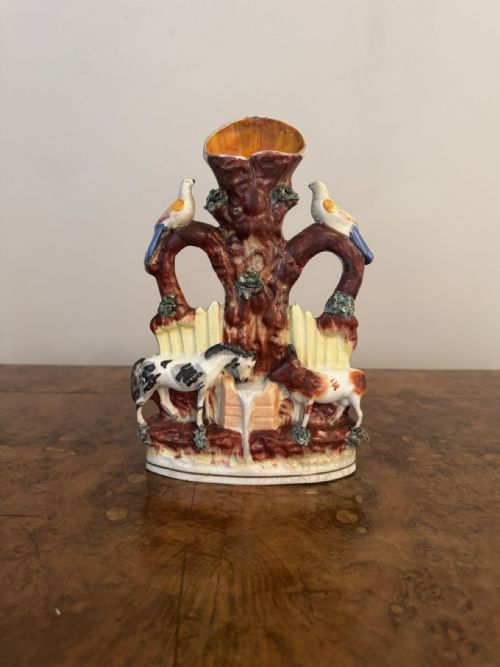
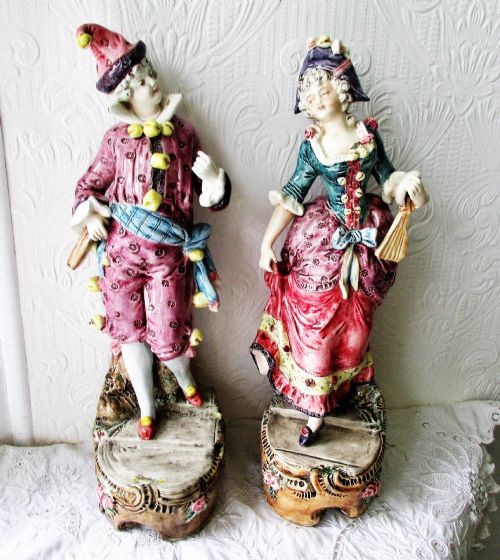
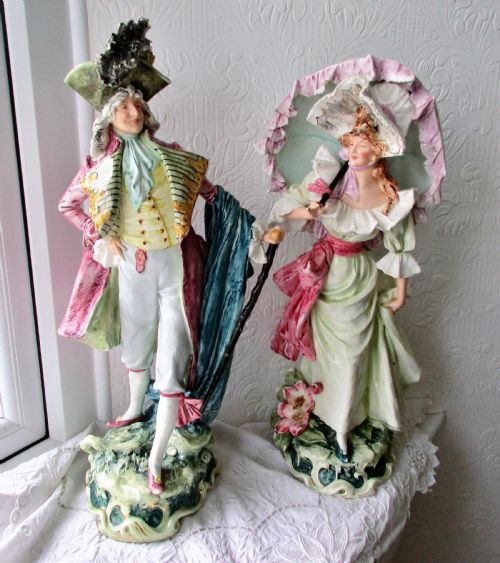
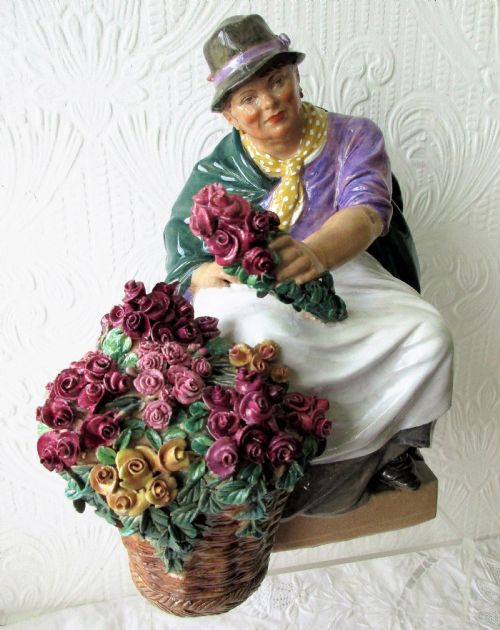
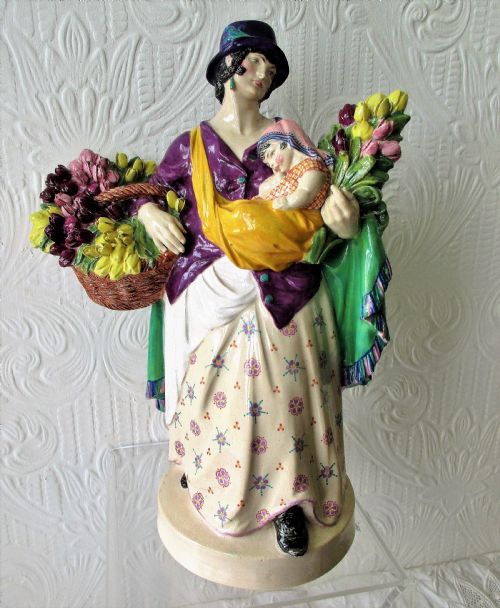
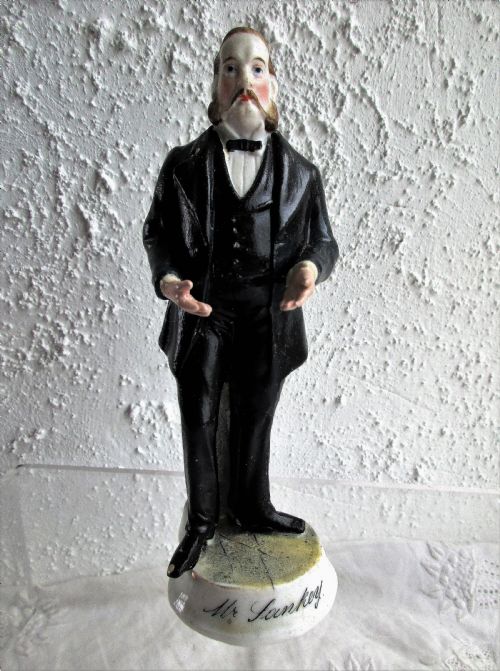
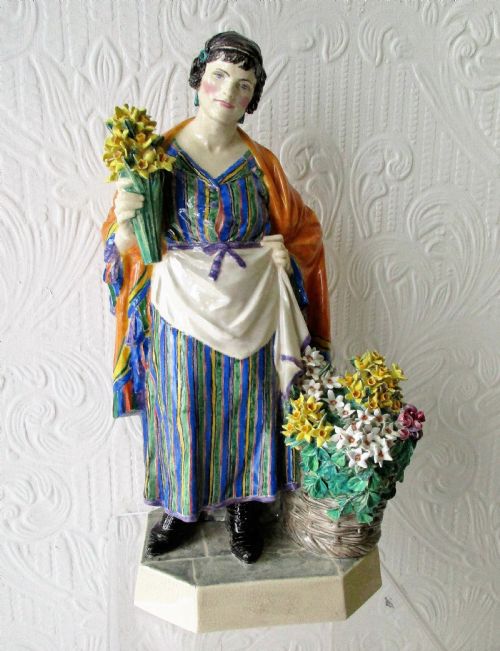
These polychrome earthenware ornament selections comprise 19th-century figures, spill vases and portrait groups modelled to display rich glazes and hand-applied enamels.
Polychrome Earthenware Ornament
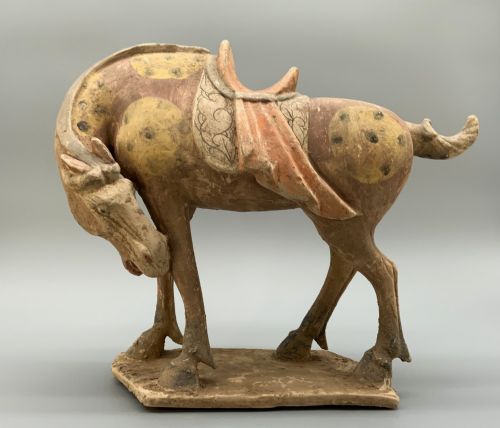
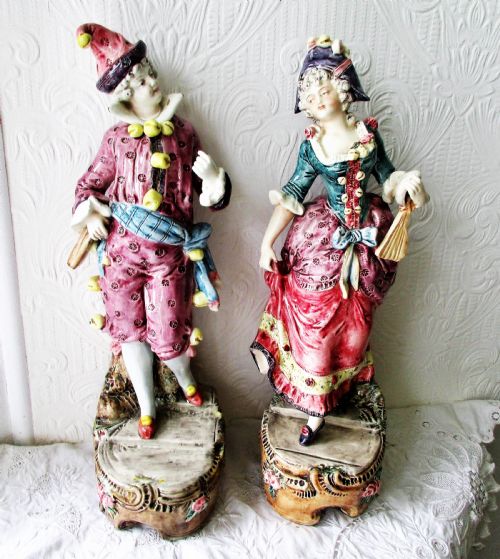
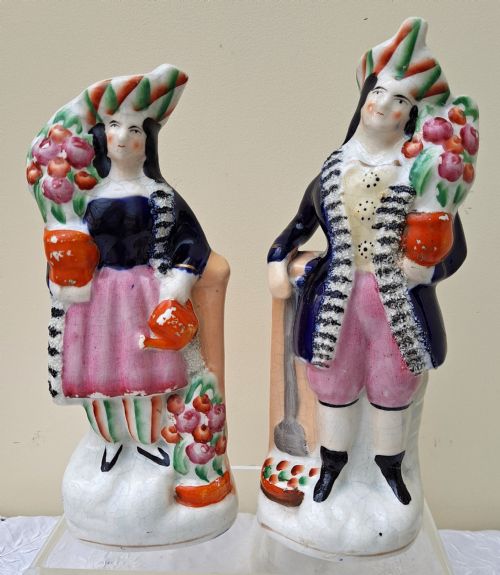
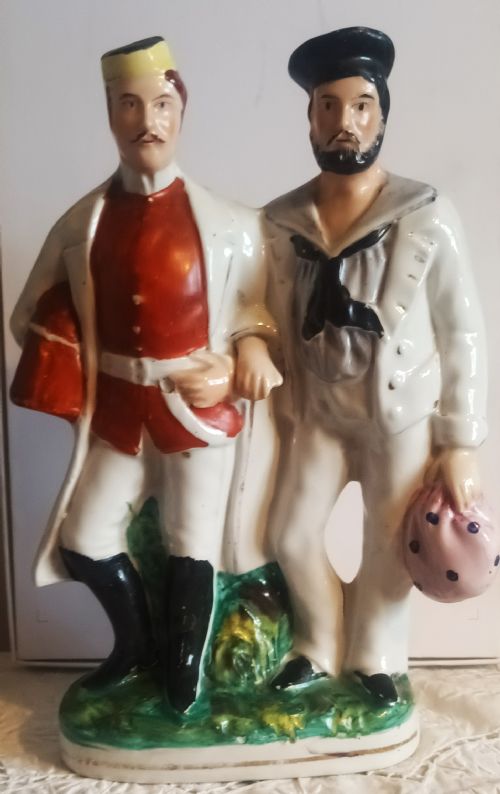
When searching for a polychrome earthenware ornament, collectors encounter a diverse array of figures, spill vases, flatbacks and portrait groups originating predominantly from Victorian England alongside select French faience and studio pottery pieces. The selection spans 18th-century pearlware models and 19th-century Staffordshire flatbacks depicting literary characters, historical figures and rustic pairs.
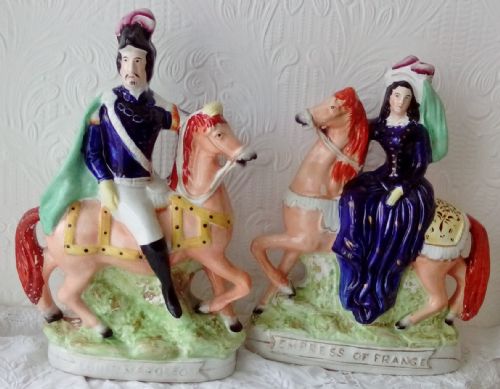
The most prevalent items on this page are Staffordshire figures and flatbacks produced during the Victorian era. These earthenware pieces often portray royalty, military commanders or domestic scenes, modelled with distinct hand-painted enamels and lead glazes designed for mantelpiece display.
Moulding, glazing and enamel painting
The production of these ceramics relies upon earthenware bodies formed in press moulds or slip-cast moulds. Potters then apply lead glazes or tin opacified glazes to seal the porous ceramic body before subsequent firing.
Colour is introduced through hand-applied enamel decoration, which provides the distinctive polychrome palette seen across the figures and spill vases. Artisans paint details directly onto the glazed surface before a final low-temperature kiln firing fixes the pigments.
Even Napoleon III and Empress Eugenie found themselves immortalised as glazed earthenware shelf ornaments for Victorian parlours.
Model crispness and enamel retention
The sophistication of the palette and the ambition of the form separate standard production items from superior models. Larger flatbacks and complex portrait groups demonstrate greater sculptural skill than smaller, mass-produced figures.
Charles Vyse·Ralph Wood·Royal Worcester
The Polychrome Earthenware Ornament Glossary
- Earthenware
- A porous ceramic body fired at lower temperatures than stoneware or porcelain. It requires a glaze to hold liquids and forms the foundation for traditional figures.
- Pearlware
- A refined earthenware developed in the late 18th century featuring a thin glaze with a faint bluish tint over a white body. It bridges the gap between creamware and later Victorian bodies.
- Flatback
- A ceramic figure designed with a plain, unpainted reverse intended to sit flush against a wall or mantelpiece. This style dominates Victorian Staffordshire production.
- Spill Vases
- Hollow figures incorporating an attached cylindrical holder meant to contain wooden spills for lighting fires. They combine domestic utility with decorative sculptural form.
- Lead Glaze
- A glossy coating containing lead oxide applied to earthenware to create a smooth, waterproof finish. It enhances the vibrancy of the underlying body and painted pigments.
Polychrome Earthenware Ornament: Frequently Asked Questions
What is a Staffordshire flatback?
A Staffordshire flatback is a type of earthenware figure manufactured with a finished front and a flat, unglazed or minimally painted reverse. These pieces were specifically designed to stand on mantelpieces against cottage walls.
Potters moulded them in halves and joined them before firing, leaving the back hollow and unadorned to save weight and material.
How do I care for antique earthenware?
Antique earthenware requires gentle handling and protection from rapid temperature fluctuations and excessive moisture. Dust them dry with a soft brush rather than using water or cleaning agents.
Keep these ornaments out of direct sunlight to prevent the hand-painted enamel colours from fading over time.
Were these figures meant to be toys?
These ceramic pieces served strictly as ornamental displays for middle-class homes rather than playthings for children. They reflected popular political events, theatrical performances and moral tales of the era.
Placed on mantelpieces and shelves, they demonstrated the owner's awareness of current affairs and cultural tastes.