


Green Glazed Pottery Statue
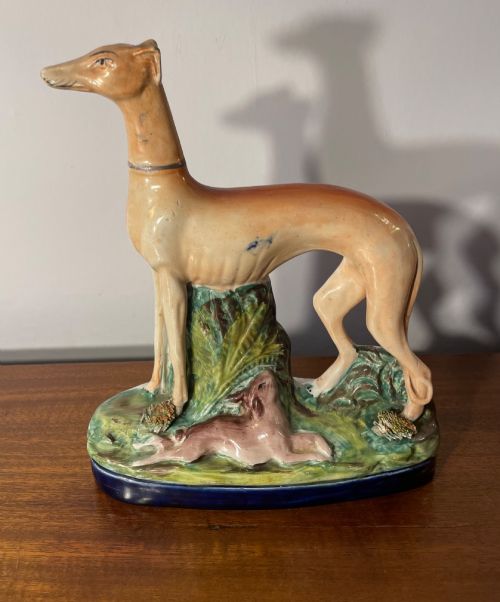
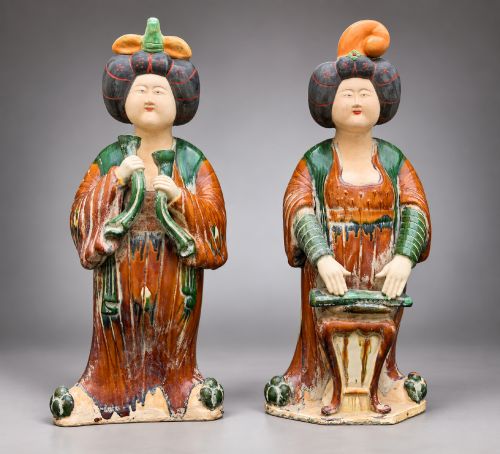
These green glazed pottery statue pieces range from English Staffordshire figures and French Art Deco cats to Chinese Tang Dynasty style musicians.
Green Glazed Pottery Statue
When you search for a green glazed pottery statue, you encounter a diverse gathering of figurative ceramics spanning multiple centuries and continents. The selection includes English Staffordshire hounds, French Art Deco cats, and Chinese ceramic figures created in historical styles.
You are most likely to meet Chinese pottery figures featuring sancai glaze alongside European earthenware and ceramic figurines from the nineteenth and early twentieth centuries. These decorative objects take the form of animals, musicians, attendants, and human companions.
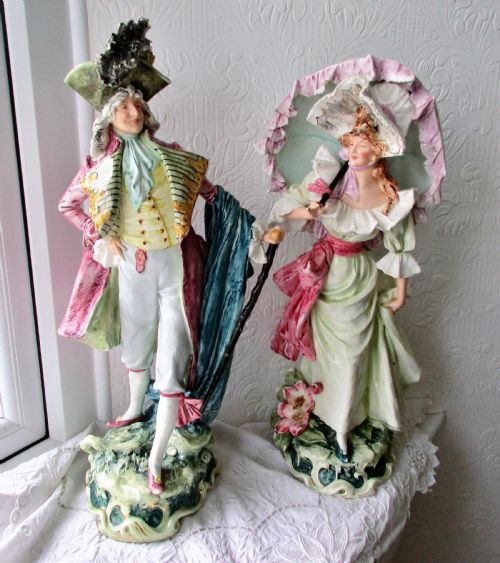
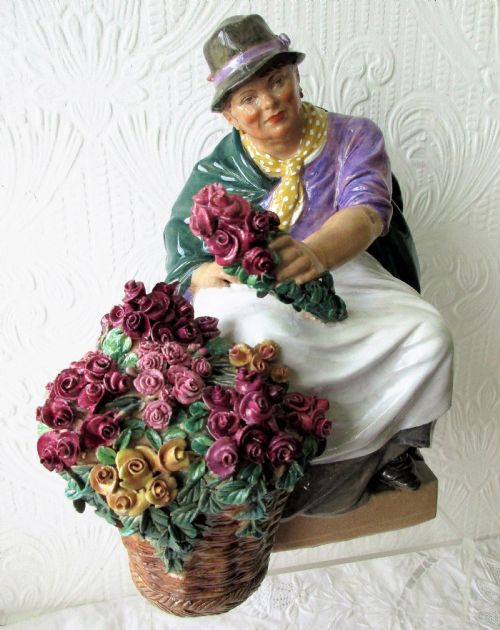
The objects cross several distinct eras, stretching from eighteenth-century pearlware groups through Victorian Staffordshire to Art Deco busts and roof ornaments. Each piece serves primarily as a decorative figurine rather than a utility item.
Materials and construction
Makers shaped these figures from earthenware, ceramic, terracotta, porcelain, and pearlware before applying lead glaze or specialised sancai glazes. The underlying clay body dictates the weight and density of the piece, whether coarse earthenware or refined porcelain.
Potters utilised surface glazes to achieve characteristic green colouration, often combining multiple tones within sancai palettes or monochrome pale green washes. Certain works incorporate glass eyes or delicate hand-painted details over the fired ceramic body.
Listings feature ceramics spanning the eighteenth to the twentieth centuries, utilising earthenware, porcelain, and terracotta with lead and sancai glazes.
Assessing quality
Quality reveals itself in the crispness of the modelling and the depth of the glaze application across the ceramic surface. Superior pieces exhibit confident sculpting of anatomical details in figures like animals and musicians, whereas lesser examples lose definition in the clay.
The richness and stability of the lead or sancai glaze also distinguish finer works, showing smooth coverage without pooling or excessive cracking. The confidence of the original maker's hand dictates the overall artistic presence of the statue.
Charles Vyse·Le Manceau·Ralph Wood·Royal Dux
The Green Glazed Pottery Statue Glossary
- Earthenware
- A porous pottery body fired at lower temperatures, commonly used for traditional figures and Staffordshire pieces.
- Sancai
- A traditional three-colour Chinese glaze technique that frequently incorporates green, amber, and cream tones on pottery figures.
- Pearlware
- A refined earthenware developed in the eighteenth century with a bluish glaze that pools in crevices, sitting beneath later hand-painted enamels.
- Faience
- Tin-glazed earthenware originating in France and other European regions, often decorated with colourful painted motifs.
- Foo Dog
- A traditional guardian lion depicted in Chinese ceramics, acting as a protective mythological figure in domestic spaces.
Green Glazed Pottery Statue: Frequently Asked Questions
How do I date a green glazed pottery statue?
Dating relies upon examining the clay body, glaze characteristics, and stylistic conventions associated with specific periods like the eighteenth century or the Art Deco era. Potters altered their techniques over time, changing the composition of the earthenware and porcelain.
Secondary clues include registration marks, maker stamps, or the specific hand of European and Asian workshops. Comparing the modelling style to documented pieces provides further chronological clarity.
Where were these ceramic figures displayed?
These decorative figurines historically occupied prominent display spaces within domestic interiors, from English mantelpieces to French drawing rooms. Large pairs often guarded entryways or sat upon structural architectural elements.
Smaller examples functioned as cabinet ornaments or incense holders in studies and parlours. Their primary purpose remained decorative enhancement rather than practical utility.
What is sancai glaze?
Sancai is a traditional three-colour lead glaze technique most famously associated with Chinese pottery figures from the Tang dynasty onwards. Makers combined green, amber, and creamy white tones that mingled naturally during the kiln firing.
This glazing method produced vibrant, glossy surfaces on figures of musicians, horses, and lions. Later revival pieces utilised the same chemical principles to replicate ancient aesthetics.
How should I clean my pottery statue?
Dust ceramic and earthenware figures gently with a soft, dry brush to prevent particulate buildup on the glaze surface. Avoid submerging historical pieces in water, especially if the underlying terracotta or earthenware body is porous.
Harsh chemical cleaners damage lead glazes and delicate overglaze decorations. Professional conservation methods should be consulted for valuable or fragile antique figures.