

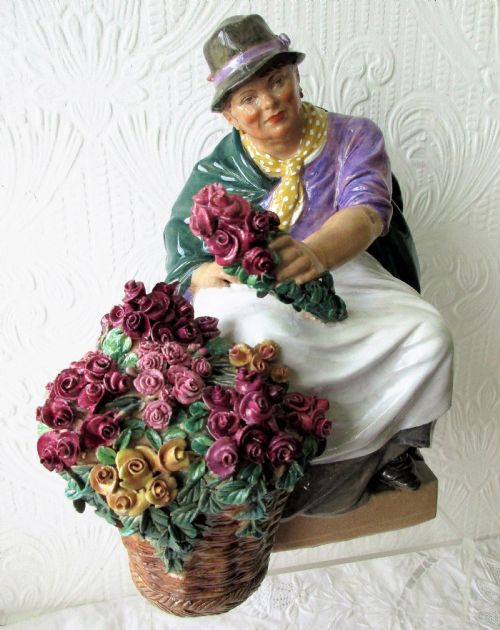
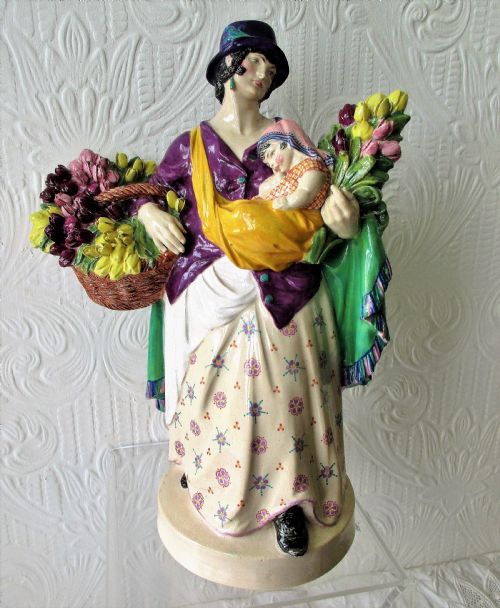


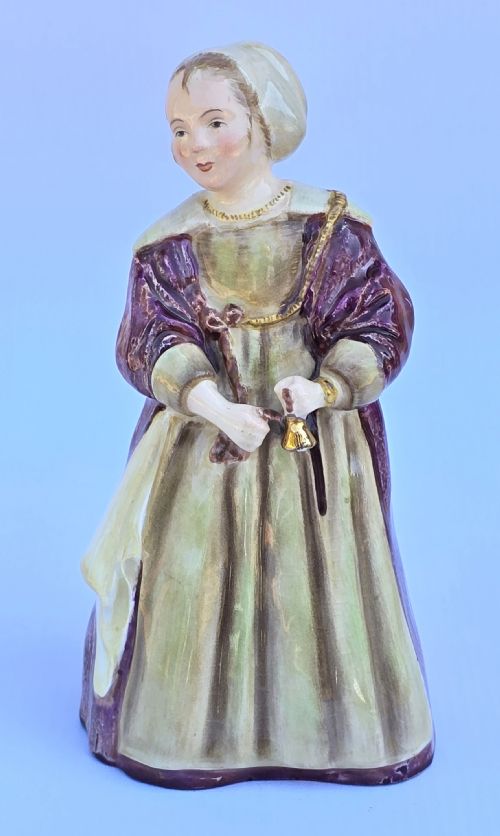


Purple Ceramic Figurine
These purple ceramic figurine examples span periods from the mid-eighteenth century to the mid-twentieth, offering collectors glazed porcelain, bone china, and earthenware sculptures.
Purple Ceramic Figurine
When you search for a purple ceramic figurine, you encounter decorative sculptures, porcelain groups, and trinket boxes spanning multiple historical eras. The selection ranges from eighteenth-century soft-paste figures and nineteenth-century salon pieces to twentieth-century studio pottery and Art Deco bonbonniere designs.
You are most likely to meet twentieth-century English porcelain figures and Victorian musical porcelain groups on this page. These pieces vary widely in form, capturing everything from named female characters and allegorical figures to musicians and classical subjects.
Materials and techniques
Potters and modellers used porcelain, bone china, and earthenware as the foundational bodies for these sculptures. Artisans applied ceramic glaze, enamel, and occasional gold leaf to the surfaces before firing.
Factories and studios employed specialised modelling and hand-painting techniques to achieve the finished polychrome and glazed effects visible across the different periods.
Cupid appears in disguise among the eighteenth-century porcelain, proving that even classical deities enjoyed a spot of amateur theatricals.
Judging quality in these sculptures
The standard of modelling, the precision of the hand-painted enamel work, and the preservation of the glaze separate simpler commercial output from superior artistic achievements. Finer examples display crisp facial expressions, delicate drapery, and controlled colour application.
The reputation of the pottery, porcelain factory, or studio maker heavily influences the standing of a piece within its period. Attribution to known modellers or established ceramic houses adds considerable weight to an item's classification.
Royal Doulton·Charles Vyse·Longton Hall·Wedgwood and Co Ltd·Volkstedt·Royal Worcester·Meissen·William Duesbury and Co·Limoges
The Purple Ceramic Figurine Glossary
- Bone china
- A type of soft-paste porcelain incorporating bone ash that produces a strong, translucent body. It became a staple material for English figurine production.
- Earthenware
- Porous pottery fired at lower temperatures than porcelain and typically covered with an opaque glaze. It forms the body of many studio pottery figures.
- Glaze
- A glassy coating fused to ceramic wares by heat to seal the porous body and impart a smooth finish. It protects the painted decoration beneath.
- Soft-paste porcelain
- An artificial porcelain mixture developed in Europe before the discovery of true hard-paste ingredients. Eighteenth-century factories utilised this composition for delicate sculptural figures.
Purple Ceramic Figurine: Frequently Asked Questions
How do I identify an eighteenth-century figure?
Eighteenth-century pieces typically exhibit soft-paste porcelain bodies, characteristic early glaze properties, and hand-modelled details associated with factories like Meissen, Longton Hall, or Derby.
Examination of the base, paste characteristics, and historical modelling styles helps confirm attribution to this early period.
What is the difference between studio pottery and factory figures?
Factory figures, such as those from Royal Doulton or Meissen, were produced through collaborative workshop methods with specialised modellers and painters.
Studio pottery pieces reflect individual artistic vision, created by named artist-potters working independently during the twentieth century.
How should I care for glazed ceramic sculptures?
Keep glazed porcelain and earthenware figures away from direct sunlight and dramatic temperature fluctuations to protect the enamel colours and glaze integrity. Dust them gently with a soft, dry brush.
Avoid using liquid cleaners or chemical agents on antique ceramic surfaces, particularly where gold leaf or delicate enamel decorations are present.
What defines Art Deco ceramic figurines?
Art Deco figurines from the 1920s and 1930s embrace stylised geometries, modern colour palettes, and streamlined forms distinct from earlier Victorian or Rococo aesthetics.
Items from this era often utilise contemporary ceramic glazes and reflect the changing design sensibilities of the interwar period.