




Polychrome China Figurines
Polychrome china figurines bring centuries of modelled colour into a room, capturing allegorical figures, vendors and pastoral scenes in glazed ceramic.
Polychrome China Figurines
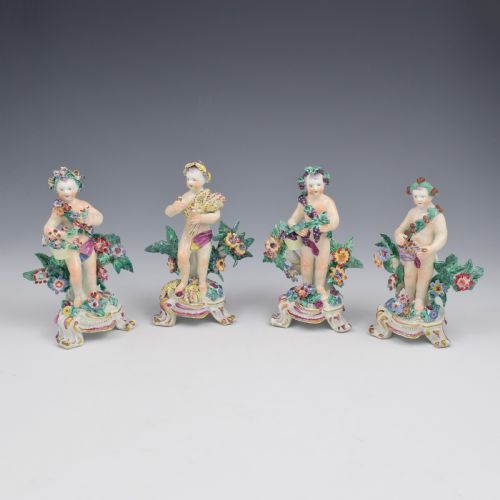
Polychrome china figurines span delicate eighteenth-century figures from English and continental factories alongside later nineteenth-century interpretations of earlier styles. When searching for polychrome china figurines, a buyer encounters everything from allegorical representations of the seasons and continents to rustic vendors, actors and domestic subjects.
The objects take the form of freestanding porcelain figures, figural groups, candlesticks and statuettes. Eighteenth-century examples often depict classical deities or allegorical themes like the four seasons, while Victorian and later pieces lean towards fairings, pastoral characters and children.
Origins range across English potteries such as Bow, Derby, Chelsea and Minton, alongside continental porcelain from Meissen, Paris, Dresden and German factories. The common thread is the use of multicoloured enamel decoration applied to porcelain bodies.
How they were made
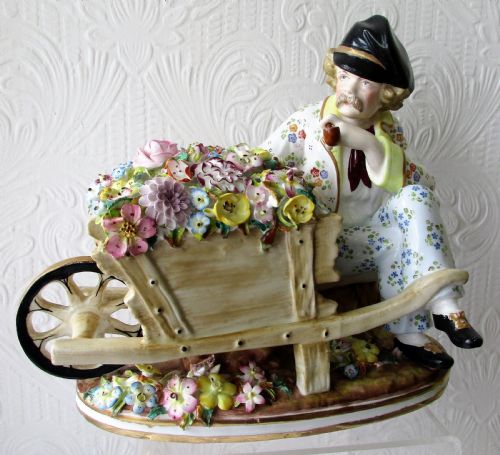
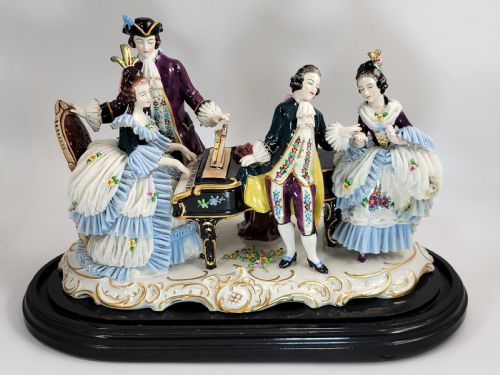
Makers utilised hard-paste and soft-paste porcelain bodies, shaping them by hand or moulding them into figures before firing. Many pieces incorporate applied details, such as delicate lace work or floral elements attached to the ceramic body prior to the kiln.
Colour comes from overglaze enamels applied to the fired porcelain surface, sometimes accented with gilding, gold leaf or fine brushwork. A subsequent low-temperature firing fuses the colourful pigments to the glaze.
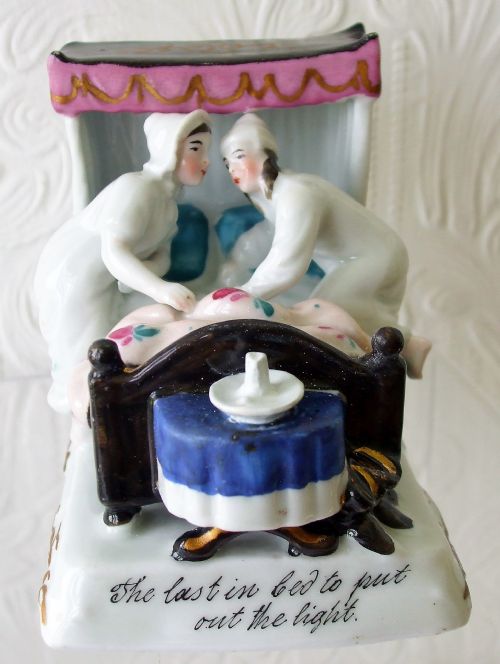
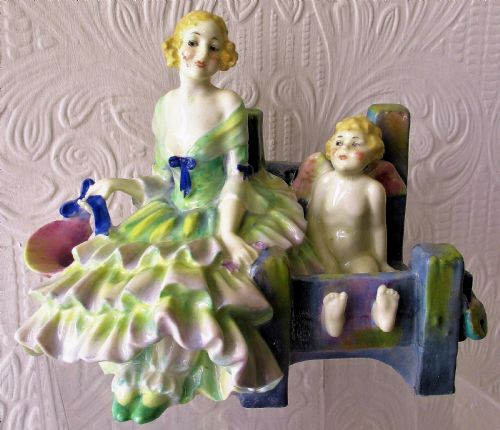
Ceramic actors, dramatic court hairdressers and children putting out the light share cabinet space with classical deities.
What varies in quality
Early eighteenth-century works from established factories show a sculptural fluidity and subtlety in palette that later revival pieces occasionally miss. The sophistication of the porcelain body and the restraint or vibrancy of the overglaze enamels dictate the standing of an individual figure.
John Bevington·Letu and Mauger·Ernst Bohne Soehne·Mabel Lucie Attwell Shelley·Helena Wolfsohn·Samson·Volkstedt·Minton
The Polychrome China Figurines Glossary
- Soft-paste porcelain
- A glassy ceramic composite fired at lower temperatures than hard-paste porcelain, common in early English factories like Bow and Chelsea. It produces a warm, slightly translucent body.
- Overglaze enamel
- Coloured glass powder mixed with oil and painted onto a previously fired and glazed porcelain surface. It requires an additional, cooler kiln firing to fix the pigment.
- Allegorical figure
- A ceramic sculpture representing an abstract idea, season, continent or virtue through human or mythological form. These were often produced in matched sets of four.
- Gilding
- The application of gold leaf or gold paint to highlights, bases or clothing on a porcelain figure. It adds a reflective metallic accent to the polychrome palette.
- Hard-paste porcelain
- A true porcelain made from kaolin and petuntse, fired at high temperatures to create a dense, vitreous body. Continental factories like Meissen utilised this formula.
Polychrome China Figurines: Frequently Asked Questions
What are polychrome china figurines?
Polychrome china figurines are decorative ceramic sculptures modelled as human figures, animals or allegorical groups, painted in multiple colours. They range from eighteenth-century soft-paste porcelain pieces to nineteenth-century continental figures.
These sculptures were created as ornamental objects for mantelpieces, dining tables and cabinets. They reflect the changing sculptural styles and ceramic techniques of European porcelain manufactories.
Were these figurines used every day?
These pieces were strictly ornamental and intended for display within wealthy domestic interiors. Figures representing vendors, seasons or literary characters served as conversation pieces in drawing rooms.
Certain items, such as figural candlesticks, combined decorative sculpture with a practical lighting function. However, their fragile porcelain composition meant they remained on mantelpieces rather than active service.
How should I display porcelain figures?
Porcelain figures require stable placement away from high-traffic areas and direct sunlight, ideally inside enclosed cabinets to protect delicate applied details like lace or floral work. Adequate spacing lets the modelling and polychrome palette be appreciated from multiple angles.
Because these pieces vary in height and form, arranging them in balanced groups or matched sets, such as the four seasons, creates a cohesive display. Avoid placing them near heat sources that might affect old adhesives or repairs.