


Polychrome Ceramic Pitcher
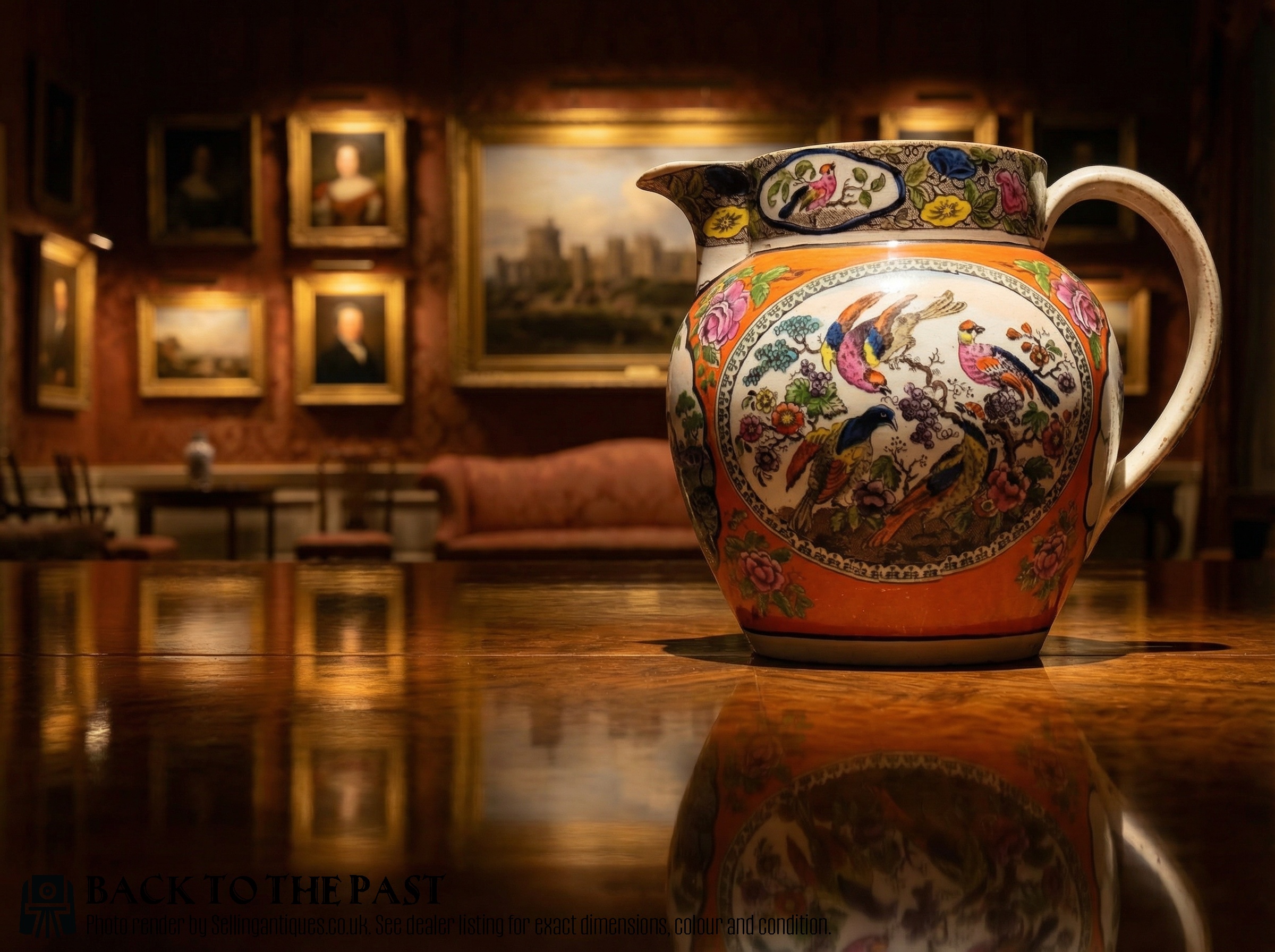
A polychrome ceramic pitcher brings vivid hand-painted colour to a table, combining practical utility with the rich tones of tin-glazed earthenware and porcelain.
Polychrome Ceramic Pitcher
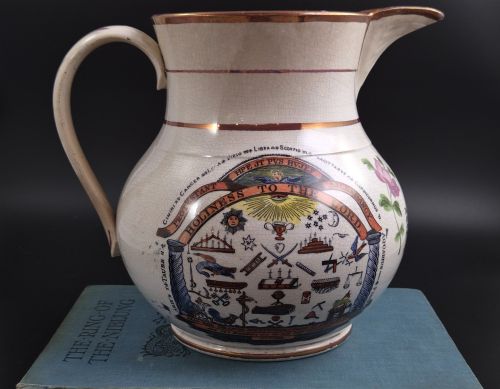
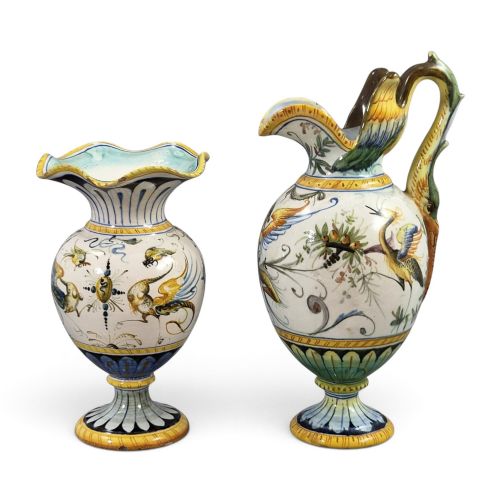
A polychrome ceramic pitcher spans utility and display, taking forms from robust Staffordshire creamware to refined Italian majolica ewers. When you search for a polychrome ceramic pitcher, you encounter diverse vessels shaped for serving liquids, holding flowers, or preserving medicines.
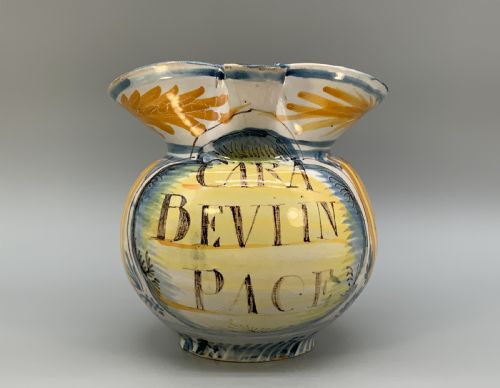
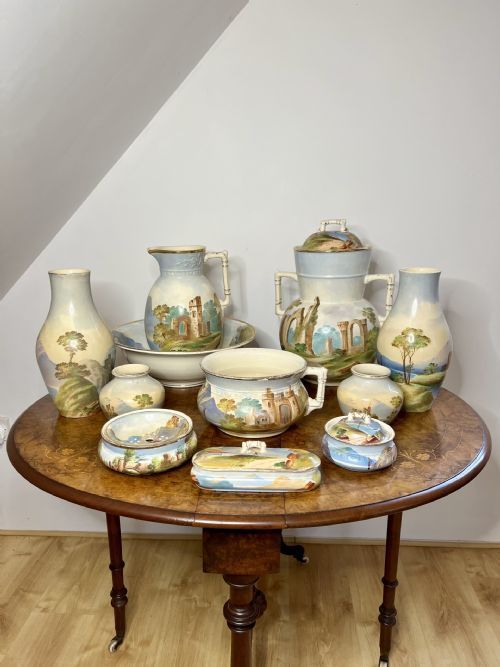
The selections here stretch from eighteenth-century Dutch Delft and Brussels faience to Victorian Staffordshire toby jugs and Mason's ironstone washbasins. English earthenware sits alongside continental tin-glazed ceramics, uniting varied regional traditions under vibrant painted glazes.
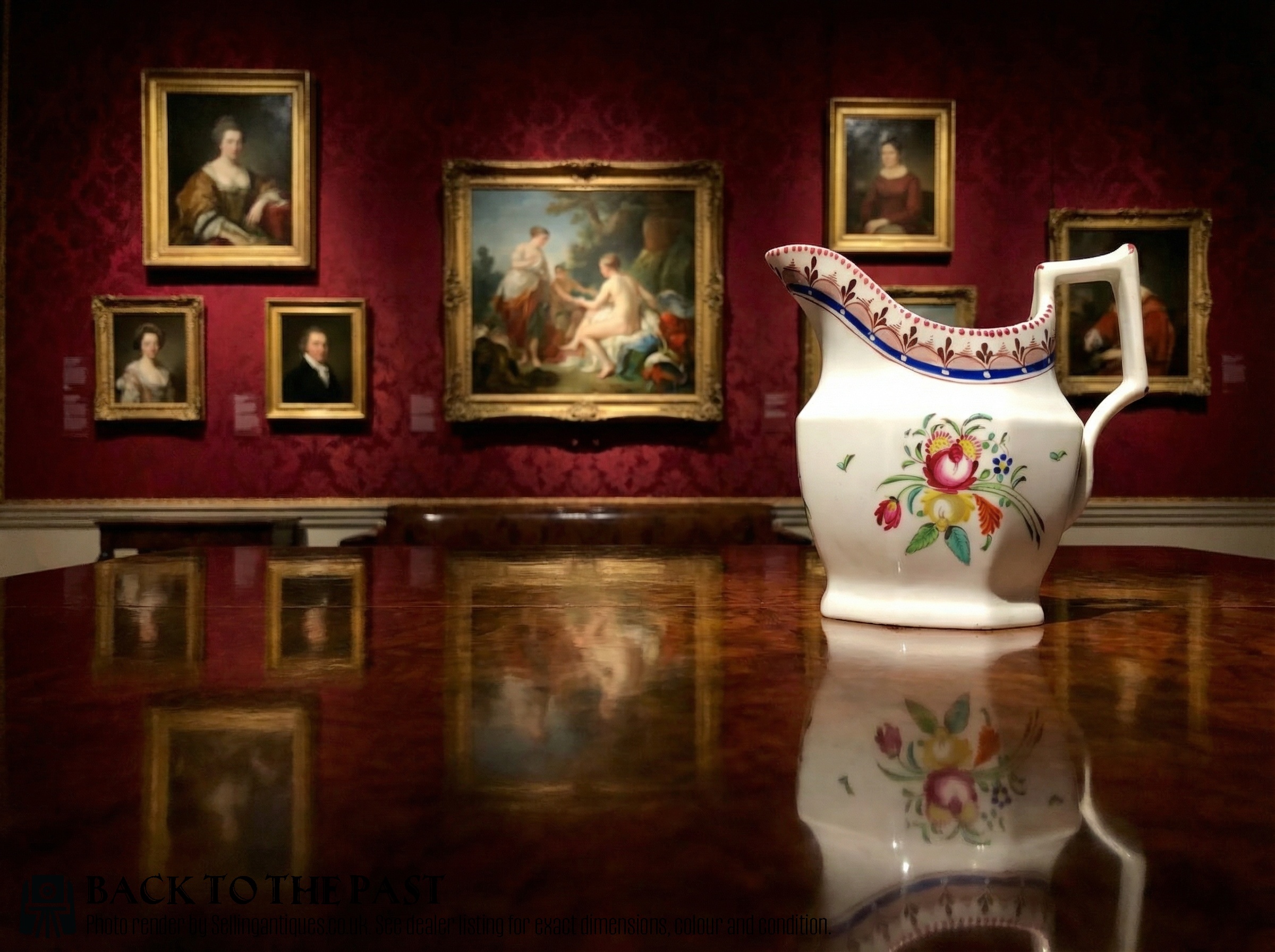
How they were made
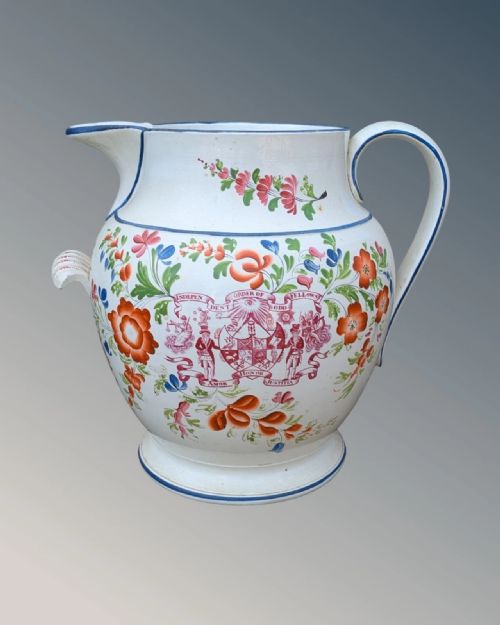
Potters shaped these vessels from earthenware, creamware, pearlware, ironstone, and porcelain, frequently applying tin glazes or opaque lead glazes to create smooth white surfaces for painting. Artisans applied mineral pigments directly onto the unfired or biscuit-fired body, utilising vibrant manganese, yellow, and multi-coloured enamel palettes.
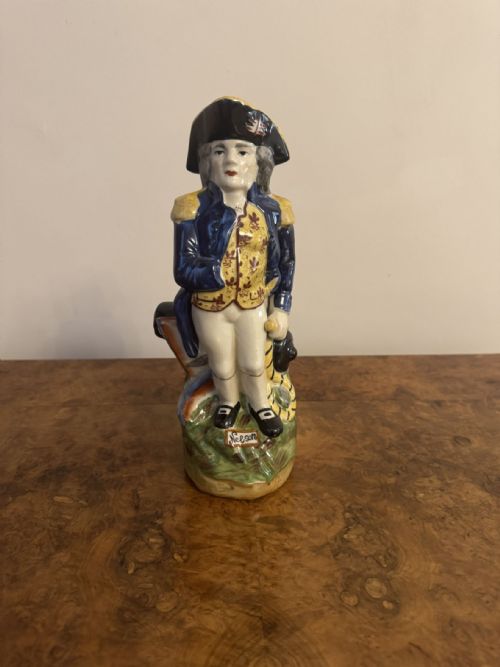
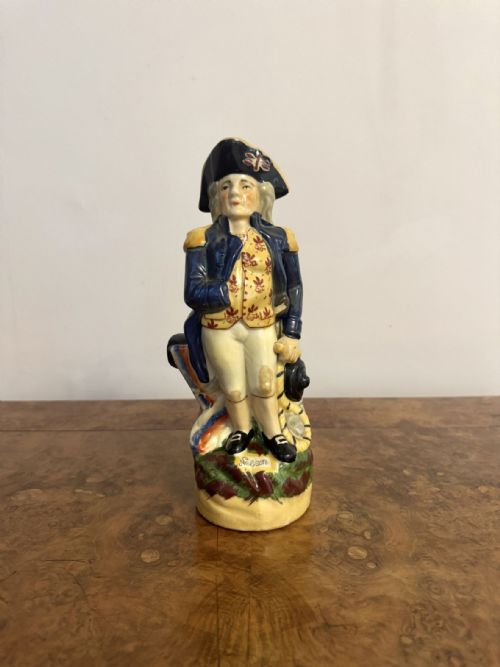
Moulds and throwing wheels created the varied forms, from faceted jugs and mask spouts to figural toby jugs depicting historical figures like Lord Nelson. Firing in traditional kilns set the brilliant coloured enamels permanently into the glossy surface glaze.
Polychrome Ceramic Pitcher Retail Price Guide 2026
Typical asking prices for polychrome ceramic pitcher among the pieces listed under this phrase on Sellingantiques today, from the lower quarter to the upper quarter. They describe what is for sale here now, not the wider market.
What varies in quality
The crispness of the hand-painted polychrome decoration distinguishes standard utility vessels from exceptional studio or factory pieces. Fine brushwork, rich pigment saturation, and well-defined modelling elevate pieces like Cantagalli majolica or early Dutch Delft above ordinary production.
Preservation of the original glaze and enamels dictates desirability, particularly on tin-glazed earthenware where surface chipping occurs easily over centuries of use. The sophistication of the form, from simple creamware jugs to elaborate Renaissance Revival ewers, reflects the original maker's ambition.
Cantagalli Florence·Mason's Ironstone·Staffordshire Pottery·Liverpool Herculaneum
The Polychrome Ceramic Pitcher Glossary
- Polychrome
- Decorated in multiple colours. This vibrant multi-coloured painting distinguishes these ceramics from monochrome or blue-and-white wares.
- Tin Glaze
- An opaque white glaze containing tin oxide, providing a smooth background for painted enamel decoration. It defines wares like Delft and faience.
- Toby Jug
- A pottery jug shaped as a full-seated figure, usually a stout cheerful man holding a mug and jug. Eighteenth and nineteenth-century Staffordshire potters produced these character vessels extensively.
- Ironstone
- A heavy, durable type of earthenware patented in the nineteenth century. It resists chipping better than traditional soft earthenware.
- Pearlware
- A refined fine-grained earthenware developed by Josiah Wedgwood, featuring a delicate bluish glaze that pools in crevices. It bridges the transition from creamware to porcelain.
Polychrome Ceramic Pitcher: Frequently Asked Questions
How do I clean an antique ceramic pitcher?
Wash these delicate vessels by hand using warm water and mild soap, avoiding harsh scrubbing or dishwashers that damage historic glazes.
Dry them thoroughly with a soft cloth to protect any vulnerable crazing in the ceramic body.
Can I still use these pitchers for serving liquids?
While structurally sound, many eighteenth and nineteenth-century jugs feature hairline cracks or porous historic bodies that make them better suited for display.
Gentle use with cold water is occasionally acceptable, but hot liquids risk expanding old glaze crazing.
What is the difference between earthenware and ironstone?
Earthenware is a porous, lower-fired pottery body that requires a glaze to become waterproof, typical of early Staffordshire and Delft pieces.
Ironstone is a much denser, harder-fired semi-vitreous ware developed in the nineteenth century for heavy domestic utility.
How do I date a tin-glazed jug?
Examine the weight, glaze characteristics, and painting style, as eighteenth-century pieces often display softer, thinner potting and subtle pooling of tin glaze.
Nineteenth-century revivals tend to feature brighter, more uniform enamel colours and heavier ironstone or refined earthenware bodies.