

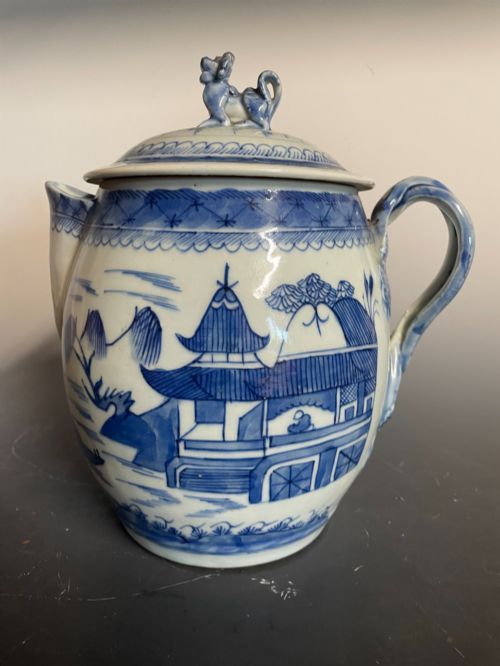
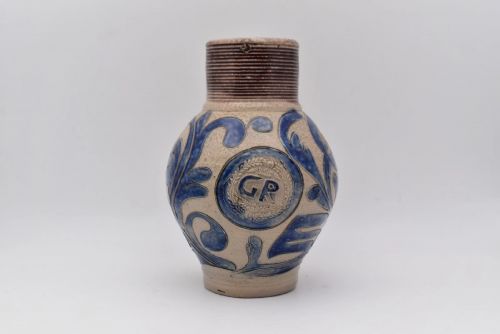


18th Century Ceramic Jug
An 18th century ceramic jug brings functional history to a table, offering tangible evidence of past domestic and tavern life.
18th Century Ceramic Jug
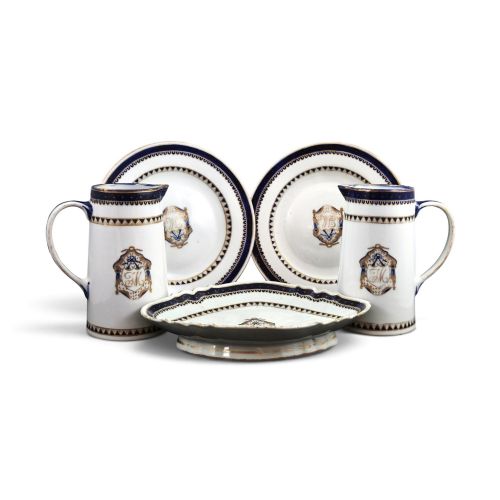
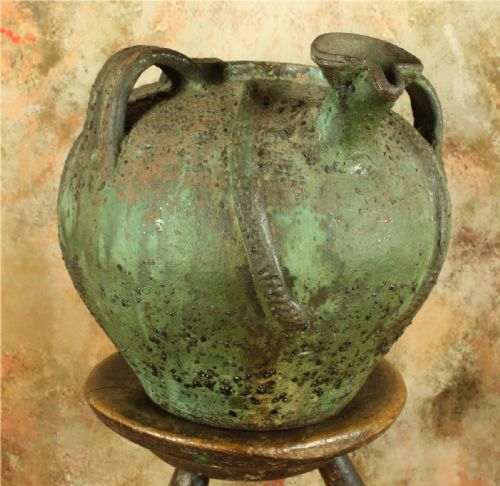
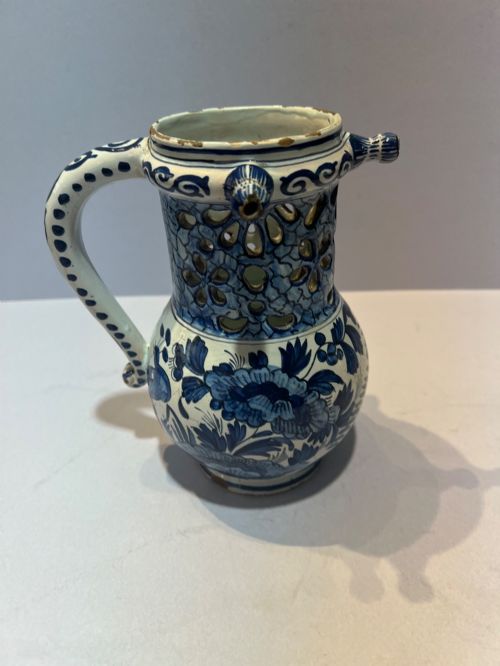
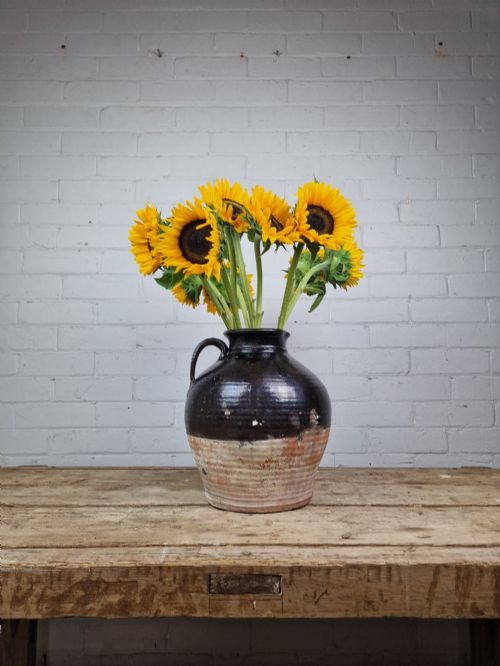
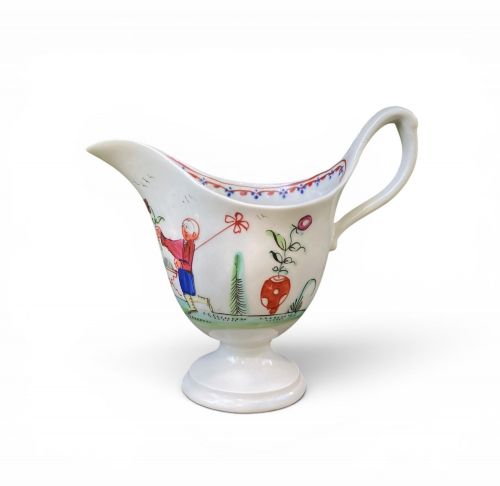
When you search for an 18th century ceramic jug, you encounter domestic vessels created for pouring milk, cream, wine, oil, and ale across Britain, continental Europe, and China. The pieces range from small creamers and milk jugs to larger wine and oil bottles, pitchers, and puzzle jugs.
Materials and Techniques
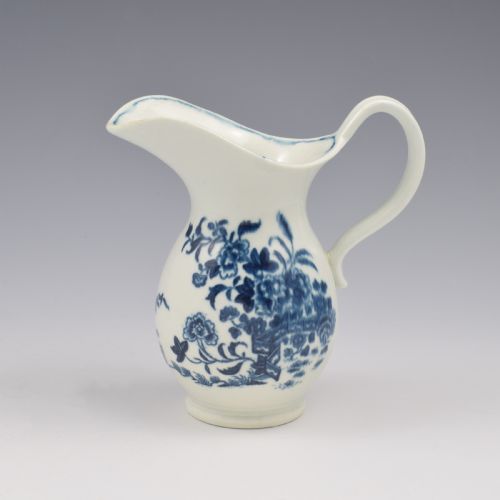
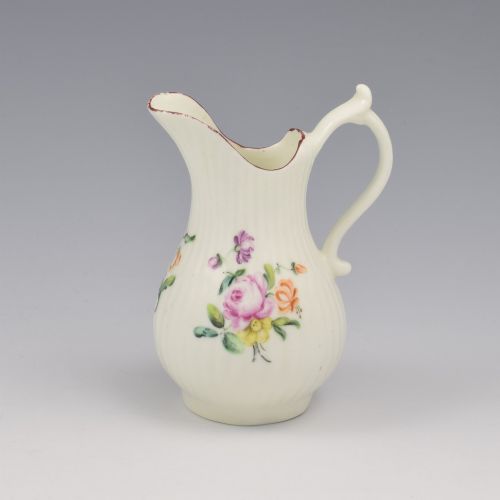
Potters utilised earthenware, stoneware, and porcelain, applying tin glazes, salt glazes, or clear lead glazes to seal the porous clay bodies. Many items show hand-painted decoration in cobalt blue or polychrome enamels, while others rely on moulded details such as cabbage leaf patterns or mask spouts.
Stoneware vessels were fired at high temperatures with salt thrown into the kiln to produce a characteristic pitted surface, while tin-glazed pieces required a opaque white enamel background to receive painted designs.
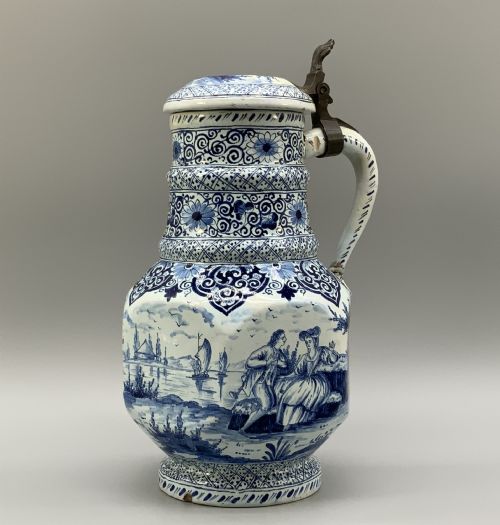
Several jugs arrive equipped with pewter lids or monkeys acting as handles, ensuring the drinks remained covered and the drinkers remained amused.
Judging the Work
The survival of original elements, such as matching pewter lids on Dutch Delft jugs or intact spouts and handles on fragile porcelain creamers, determines the integrity of the piece.
Dr Wall Worcester·John Rose Coalport·Pieter Verburg
The 18th Century Ceramic Jug Glossary
- Tin glaze
- An opaque white glaze containing tin oxide, used extensively on Delftware and majolica to provide a smooth surface for painting. It allows vibrant colours to sit on the exterior.
- Salt glaze
- A vitreous coating formed by throwing common salt into the kiln during high-temperature firing, creating an orange-peel texture on stoneware. This technique is typical of German production.
- Creamware
- A refined earthenware developed in England during the eighteenth century, known for its pale yellowish cream body and clear glaze. Leeds pottery produced notable examples of this ware.
- Paste
- The ceramic body material of porcelain, classified historically as soft paste or hard paste depending on its composition and firing temperature. English factories predominantly used soft paste in this period.
- Puzzle jug
- A vessel with a pierced neck and multiple spouts designed to trick the drinker into spilling its contents unless they cover hidden holes with their fingers. These interactive items were popular in taverns.
18th Century Ceramic Jug: Frequently Asked Questions
Can I use these jugs for serving food?
Most pieces function adequately for dry storage or display rather than daily culinary use, particularly fragile soft-paste porcelain and porous earthenware. Older glazes can also contain trace minerals.
Examine the interior for cracks or crazing that might absorb liquids before deciding to pour beverages from them at a modern table.
How do I distinguish porcelain from earthenware?
Porcelain is vitrified, dense, and typically rings when tapped gently, often showing translucency if held up to a strong light source. Earthenware and stoneware remain opaque and heavier in the hand.
Tin-glazed earthenware also reveals a coarse red or buff clay body if a small chip occurs on the base or rim.
What is the difference between Delftware and faience?
Both terms describe tin-glazed earthenware, but Delftware specifically refers to wares made in the Netherlands, particularly around Delft. Faience is the broader continental European term used for French and Italian tin-glazed ceramics.
Both categories share the characteristic white enamel ground painted with cobalt blue or multi-coloured mineral pigments.