
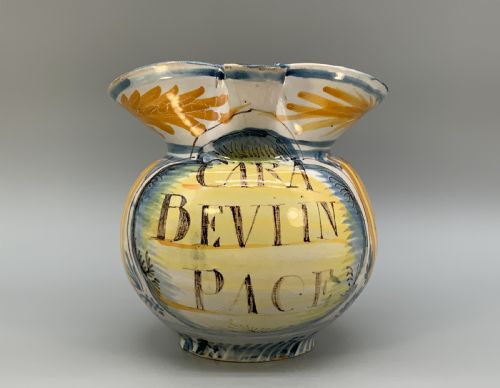


Antique Faience Pitcher
An antique faience pitcher brings tin-glazed ceramic artistry to the table, offering hand-painted decoration that collectors prize for historical depth.
Antique Faience Pitcher
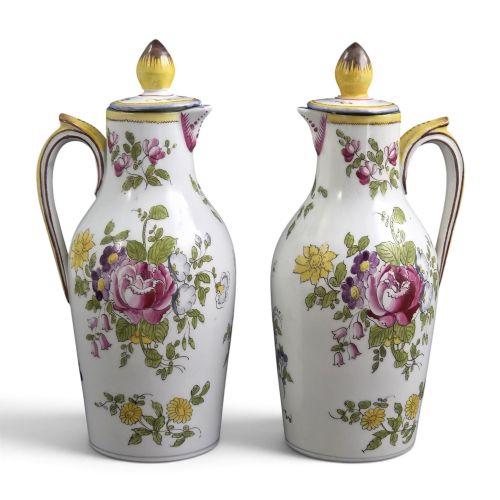
When you search for an antique faience pitcher, you encounter tin-glazed earthenware vessels spanning the seventeenth, eighteenth, and nineteenth centuries. These pieces encompass various regional traditions, including Dutch Delftware, Italian majolica, French Gien, and Brussels ceramics.
The forms range from utilitarian apothecary pharmacy jugs and coffee pots to decorative ewers, monkey Toby jugs, and large water pitchers. Blue and white floral decoration, manganese pigments, and polychrome mythologies frequently appear across the selection.
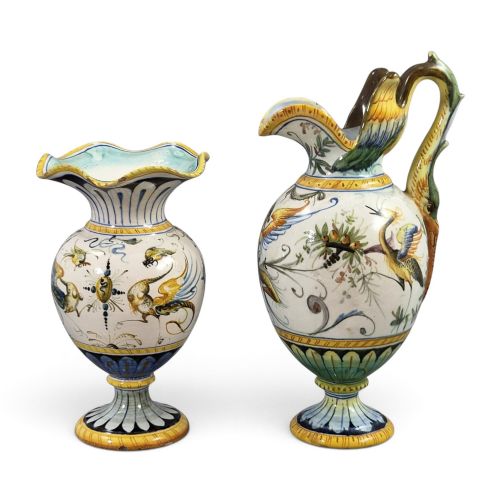
Dutch examples dominate the earlier periods alongside Italian Savona wares, while later nineteenth-century pieces introduce Renaissance Revival styles and factories like Gien and Cantagalli.
How They Were Made
Potters shaped earthenware bodies on the wheel or moulded them into complex figural forms such as monkeys and Toby characters. Artisans then applied an opaque tin glaze to create a white or tinted surface suitable for painting.
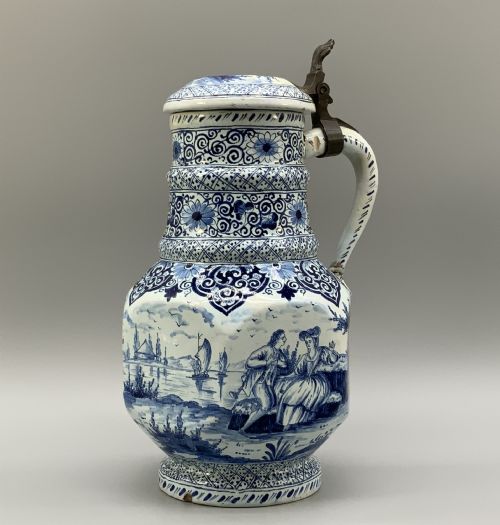
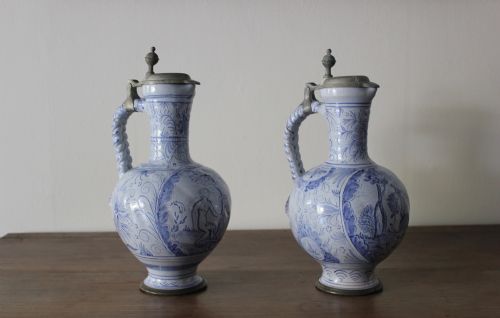
Painters used cobalt blue, manganese, and polychrome pigments directly onto the porous unfired glaze before the final firing fixed the colours. Certain Dutch and English-market pieces also incorporated metalwork mounts, such as pewter lids fitted to the rims.
One eighteenth-century Dutch potter immortalised a monkey wearing a tricorne hat as a drinking vessel.
What Varies in Quality
The distinction between standard domestic vessels and superior items rests upon the finesse of the hand-painted decoration and the complexity of the form. Early seventeenth-century Chinoiserie details or intricate mythological figures demand greater draughtsmanship than simple floral sprays.
The clarity of the tin glaze and the control over high-temperature firing pigments also differentiate basic utilitarian jars from exhibition-quality apothecary pieces and Renaissance Revival ewers.
Cantagalli Florence·Gien Faience·Pieter Verburg
The Antique Faience Pitcher Glossary
- Faience
- Tin-glazed earthenware produced in Europe, particularly France, Germany, and Spain. It shares technical roots with English delftware and Italian majolica.
- Delftware
- Tin-glazed earthenware originating in the Netherlands, renowned for blue and white designs often influenced by imported Chinese porcelain.
- Majolica
- Italian tin-glazed earthenware of the Renaissance and later revival periods, typically decorated with rich polychrome pigments.
- Toby Jug
- A pottery jug shaped as a stout, friendly-looking man usually seated and holding a mug of beer or a pipe. They appear in tin-glazed earthenware fabrics during the eighteenth and nineteenth centuries.
- Apothecary Jug
- A vessel historically used in pharmacies or dispensaries to hold medicinal liquids, syrups, or dry drugs. They frequently bear painted labels or intricate heraldic decoration.
Antique Faience Pitcher: Frequently Asked Questions
Are these pitchers safe for holding water?
Many older tin-glazed pitchers develop hairline cracks, glaze flaking, or porous bodies over the centuries. Using them for liquids can destabilise the fragile historical material.
Display them as decorative works of art rather than functional tableware. This preserves the delicate tin glaze and prevents staining.
How can I tell seventeenth-century pieces from nineteenth-century revivals?
Seventeenth and eighteenth-century examples typically exhibit organic clay bodies, characteristic stacking kiln scars, and spontaneous hand-painted brushwork. Pigments sink slightly into the softer historical tin glazes.
Nineteenth-century Renaissance Revival pieces often display heavier moulded forms, brighter uniform colours, and deliberate factory pseudo-marks. The glaze texture and weight of the ceramic also provide clues to the era of production.
What does a pewter lid indicate on a Dutch jug?
Pewter mounts and hinged lids were frequently added to high-quality Dutch Delftware jugs during the seventeenth and eighteenth centuries. These metal additions protected vulnerable rims and added practical value to drinking vessels.
Original contemporary mounts enhance the historical interest of a ceramic piece. Collectors examine the fit and patina of the pewter to confirm its period authenticity.