



Polychrome Cabinet Plate
A polychrome cabinet plate brings bright enamel painting and gilt detail to a wall or display cabinet.
Polychrome Cabinet Plate
A polychrome cabinet plate is a decorative ceramic dish meant for display rather than dining. When searching for a polychrome cabinet plate, buyers encounter pieces originating from English, European, and Asian makers across the eighteenth, nineteenth, and early twentieth centuries.
The selection spans various forms including cabinet plates, decorative chargers, and dessert service dishes. Common styles range from Georgian and Victorian to Regency, Rococo Revival, Aesthetic Movement, and Meiji Period designs.
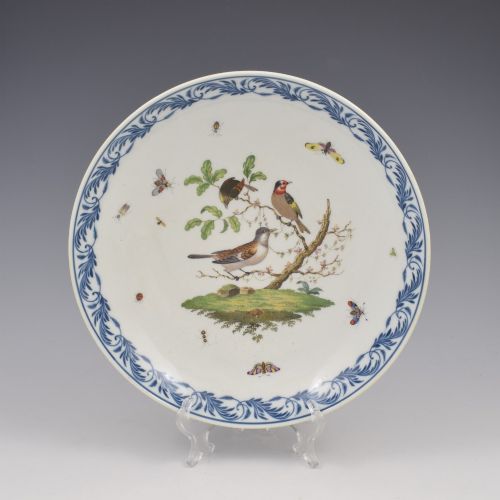
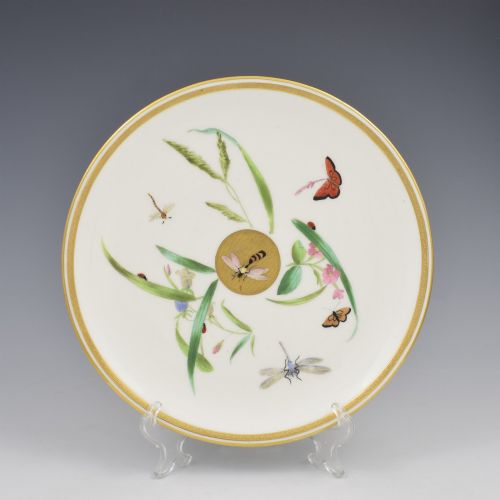
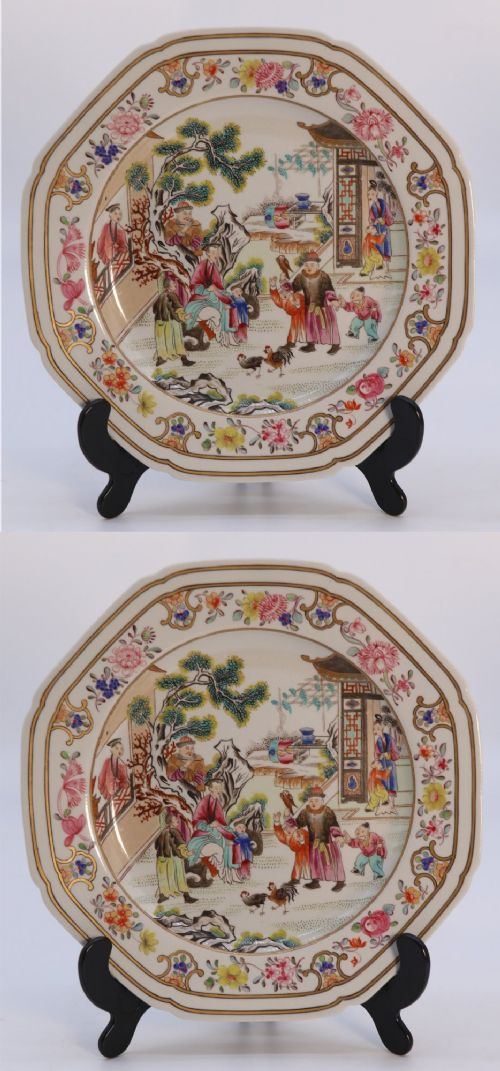
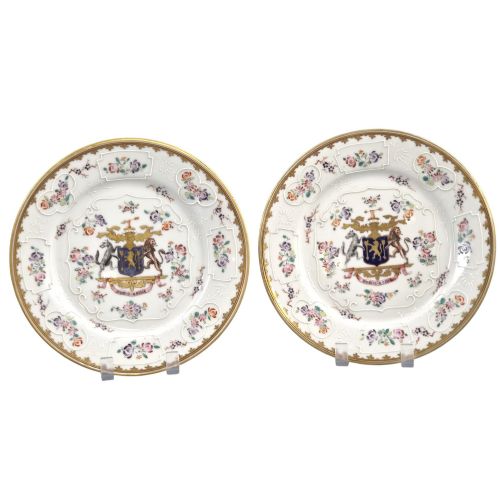
Examples frequently feature hand-painted bird studies, armorial crests, Chinoiserie motifs, and Japanese-inspired patterns. These objects survive from periods such as the Georgian and Victorian eras, alongside Meiji Period Japanese wares.
Materials and construction
Makers utilised hard-paste porcelain, earthenware, and ironstone as the ceramic body for these pieces. Potters shaped these materials into octagonal, lobed, reticulated, and basketweave forms before firing.
Decoration relied heavily on polychrome enamel painting, often enhanced with gold leaf and gilt highlights over a clear glaze. Certain wares incorporate intricate cloisonne techniques on metal foundations.
Kiln firing set the cobalt underglazes and enamel colours, after which skilled hands applied secondary gilding and fine detailing.
Polychrome Cabinet Plate Retail Price Guide 2026
Typical asking prices for polychrome cabinet plate among the pieces listed under this phrase on Sellingantiques today, from the lower quarter to the upper quarter. They describe what is for sale here now, not the wider market.
The inventory records diverse international origins, including English factories, German manufacturers, French studios, and Japanese workshops.
Assessing quality in polychrome wares
Quality rests upon the precision of the hand-painted brushwork and the complexity of the subject matter, such as detailed ornithological studies or figurative battle scenes. Finer pieces demonstrate superior control in multi-coloured enamel application and registration.
The choice of ceramic body and the crispness of moulded details like reticulation or basketweave texture distinguish finer works from standard production. Richness in the application of gold leaf and the preservation of original gilding elevate the status of a piece.
Spode Stone China·Meissen Porcelain·Minton Porcelain·Chamberlain Worcester·Barr Flight And Barr·Early Derby Porcelain·John Ridgway·Helena Wolfsohn·Vienna Porcelain
The Polychrome Cabinet Plate Glossary
- Polychrome
- Decorated in multiple colours. This term describes ceramics utilising a diverse enamel palette rather than a single monochrome tone.
- Reticulated
- Having an openwork or net-like pattern. Potters cut intricate pierced designs into the rim of the plate before firing.
- Armorial
- Bearing a coat of arms. These bespoke commissions display the heraldic crests of specific families.
- Kakiemon
- An asymmetric Japanese porcelain style featuring fine enamel painting of birds and flowers. European factories frequently copied these distinct colour schemes.
- Ironstone
- A heavy, durable type of earthenware patented in the nineteenth century. It provided a robust alternative to porcelain for patterned service wares.
Polychrome Cabinet Plate: Frequently Asked Questions
How were cabinet plates displayed historically?
Cabinet plates were typically shown in glazed wall cabinets, on sideboards, or mounted on specialist display stands. Wealthy households used them primarily as decorative ornaments rather than functional tableware.
Their vibrant enamel scenes and gilt borders made them ideal conversation pieces in formal reception rooms.
What is the difference between earthenware and porcelain plates?
Porcelain is fired at higher temperatures to produce a dense, vitrified body that is often translucent. Earthenware and ironstone are more opaque and heavier in the hand.
Both materials served as suitable canvases for polychrome painting, though porcelain generally accommodated finer, more delicate brushwork.
How do I identify the period of a plate?
Dating relies on factory backstamps, ceramic bodies, and stylistic indicators such as Regency shapes or Aesthetic Movement motifs. Examining the palette and painting style helps narrow down the decade of manufacture.
Certain patterns were produced over long spans, requiring careful study of the glaze and wear patterns.
Can these plates still be used for dining?
Most cabinet plates are intended strictly for decorative display. The delicate enamels and gold leaf can wear away with frequent use and washing.
Historic glazes may also contain materials unsuited for modern food consumption.