
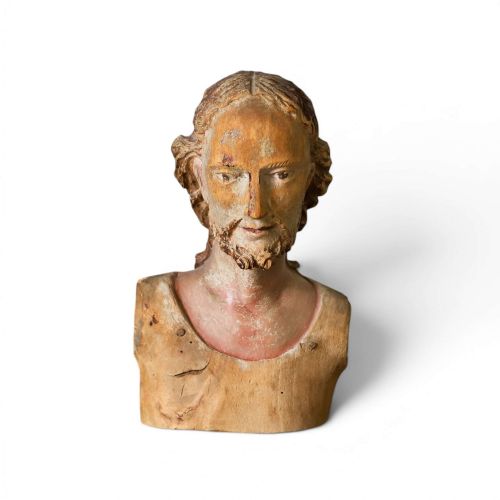
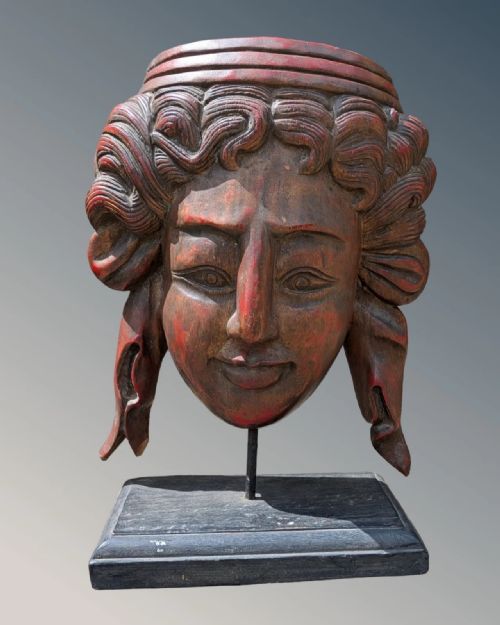


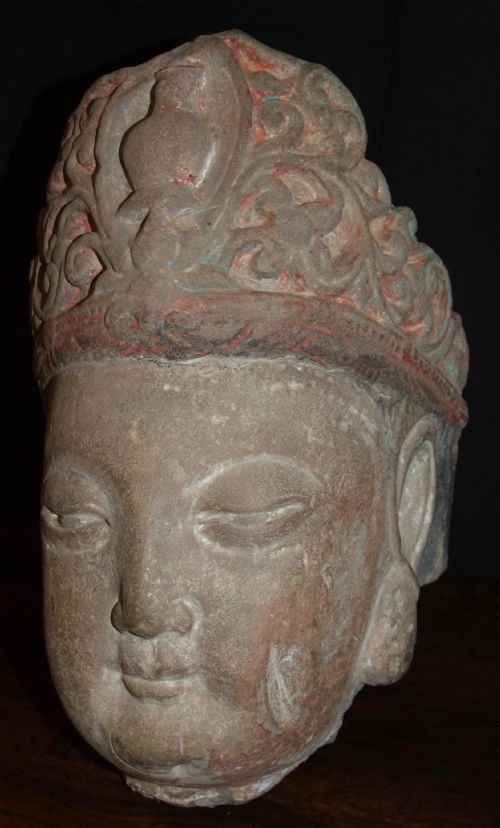
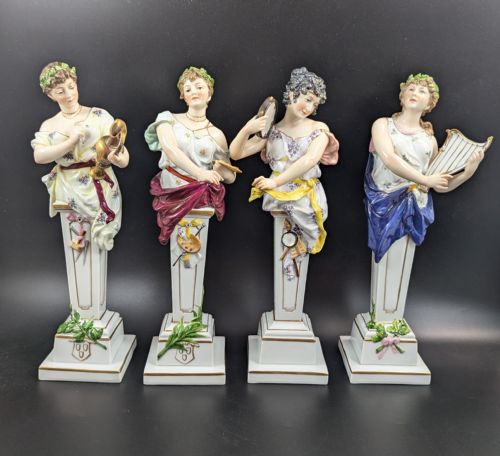


Polychrome Bust Sculpture
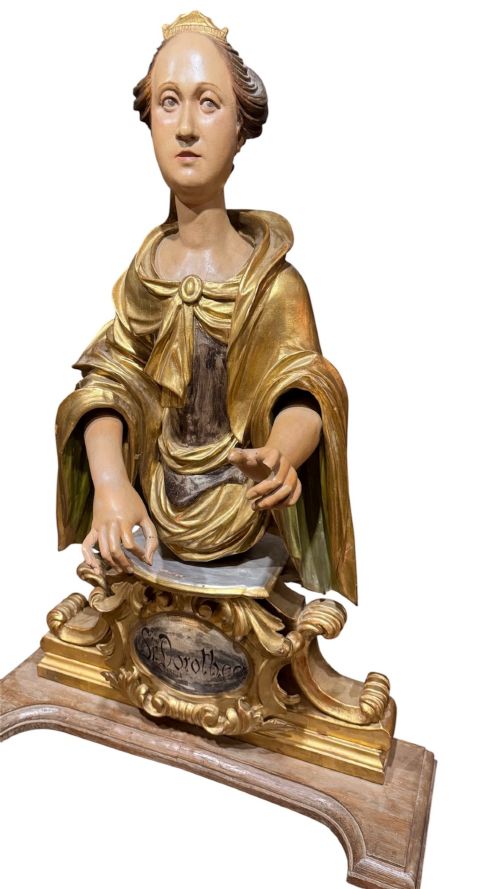
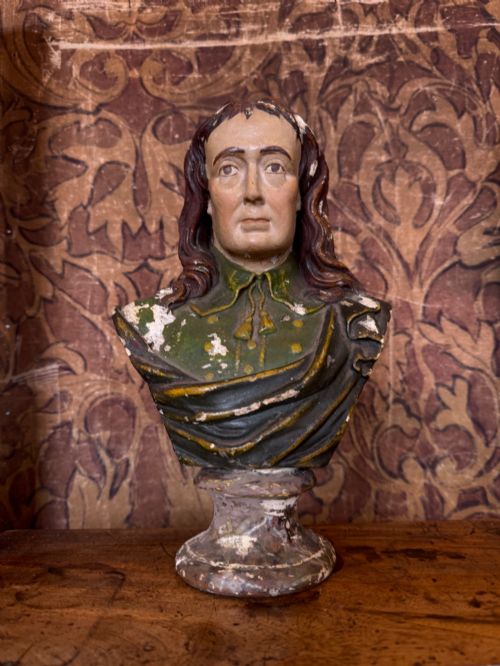
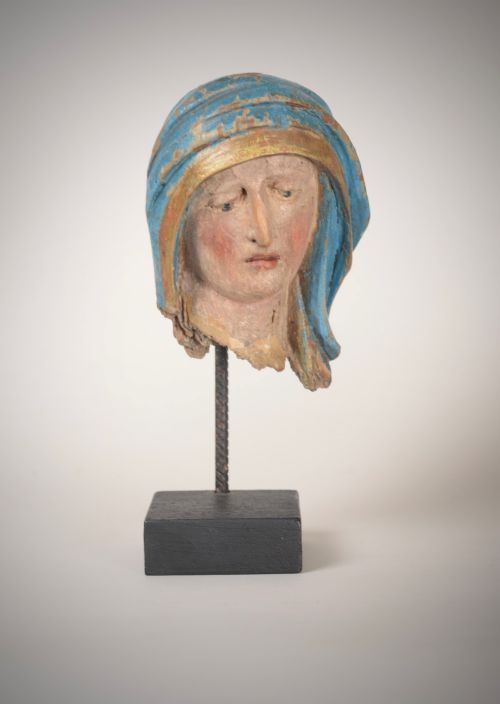
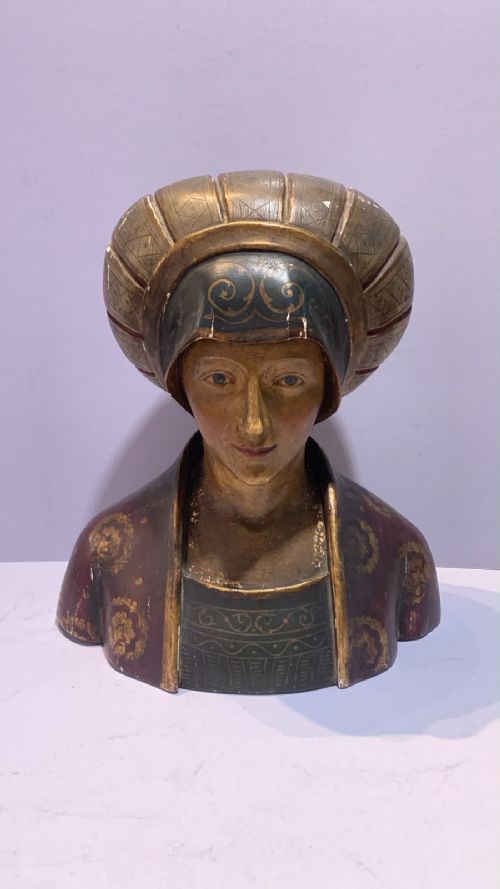
These polychrome bust sculpture pieces bring colour and carved character to a room, ranging from religious figures to grand tour portraits.
Polychrome Bust Sculpture
When you search for a polychrome bust sculpture, you find carved and painted representations of heads and shoulders spanning multiple centuries, from early religious carvings to later portrait studies. The selection on this page leans heavily towards wooden and terracotta examples, including Italian saints, Grand Tour subjects, and folk art figures.
You will encounter works originating from various European and global traditions, such as 16th and 17th century religious fragments alongside 19th century decorative pieces. These range from life-size terracotta portrayals to smaller carved olive wood heads.
How they were made
Makers primarily utilised carved wood and terracotta as bases for these sculptures, often shaping olive wood, sandstone, or pine before applying surface finishes. The structure relies upon traditional hand-carving techniques suited to the density of the chosen material.
Surface decoration involved polychrome paint, gesso, and gold leaf to impart lifelike skin tones and rich garment details. Artisans built up layers of paint and gilding over the carved substrate to achieve depth and visual permanence.
Materials across the listings include carved wood, terracotta, gesso, and gold leaf, spanning the 16th to the 20th century.
What varies in quality
The degree of anatomical precision and expressive power separates everyday decorative items from masterworks. Sculptures that capture nuanced facial expressions and subtle musculature demonstrate superior artistic command.
The preservation of the original polychrome surface and gilding heavily influences the integrity of a piece. Finer examples retain their early pigment layers with minimal disruption to the underlying carved form.
Achille Mollica·Pietro Calvi·HL Blasche for Reps and Trinte
The Polychrome Bust Sculpture Glossary
- Polychrome
- Painted or decorated in several colours. This term describes sculpture and woodwork finished with varied pigments.
- Terracotta
- Fired unglazed clay of a brownish-red colour. Sculptors utilise this material for both modelled figures and architectural elements.
- Gesso
- A plaster mix applied to a surface as a base for paint or gilding. It provides a smooth ground on wooden sculptures.
- Grand Tour
- A cultural journey of Europe undertaken by upper-class young men in the 18th and 19th centuries. Souvenirs from these trips often included classical portrait busts.
Polychrome Bust Sculpture: Frequently Asked Questions
What is a polychrome bust sculpture?
A polychrome bust sculpture is a three-dimensional head and shoulder portrait or figure finished in multiple colours of paint, gesso, or gold leaf. These works capture specific individuals, saints, or allegorical characters.
They span periods from the 16th century through to the early 20th century, utilising materials like carved wood and terracotta.
How were these sculptures displayed?
Historically, religious busts stood on altars or in private chapels for devotion, while portrait busts decorated libraries, studies, and drawing rooms. Grand Tour pieces were brought home to display refined taste.
Today, they function as focal points on mantels, sideboards, or dedicated pedestals within an interior.
How do I care for wooden polychrome sculptures?
Keep wooden and painted pieces away from direct sunlight and sudden temperature shifts to prevent the wood from splitting and the paint from flaking. Stable indoor humidity protects the delicate gesso and pigment layers.
Dust them gently with a soft, dry brush without applying liquid cleaners or polishes to the historic surface.
How can I tell the age of a bust?
Age is indicated by the tool marks left on the wood or clay, the type of gesso and pigments used, and the natural oxidation of the materials over time. Stylistic clues, such as Renaissance drapery or Victorian realism, also point to specific eras.
Comparing construction methods with documented pieces from the same century helps confirm the period.