
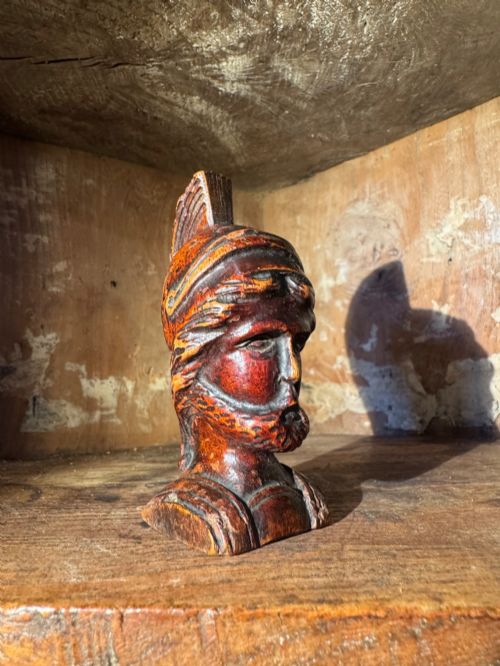
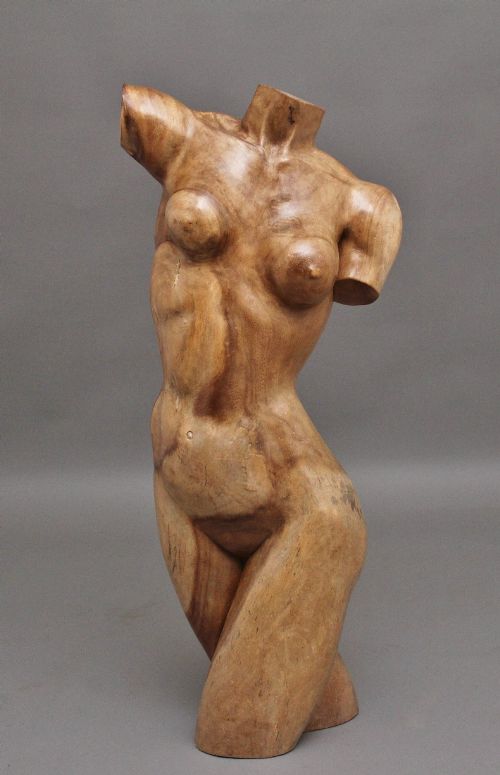
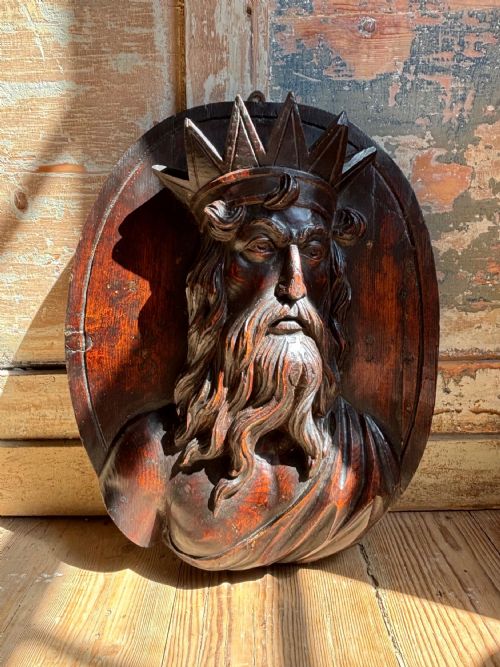
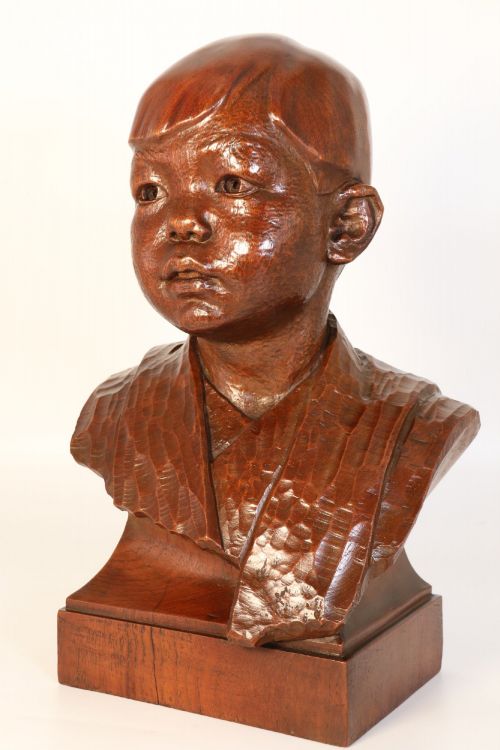



Hand Carved Wooden Bust
A hand carved wooden bust brings direct human presence into a room, shaped through traditional sculpture from walnut, pear wood, and hardwood.
Hand Carved Wooden Bust
A hand carved wooden bust captures human and animal likenesses through sculptural forms that span centuries of regional craftsmanship. When you search for a hand carved wooden bust, you encounter works ranging from expressive portraits of women and noble figures to striking folk art milliner heads and detailed animal studies.
The pieces on this page originate from diverse traditions, including Black Forest carvings, Victorian Gothic works, and early twentieth century modernism. You will find wall masks, life size torsos, and functional desk items like inkwells among the standard portrait sculptures.
Makers shaped these sculptures from periods including the eighteenth century, the Victorian era, and the early twentieth century. Each object reflects the distinct aesthetic priorities of its era, whether decorative, architectural, or rooted in folk traditions.
How They Were Made
Carvers utilised dense timbers such as walnut, oak, pear wood, and general hardwood to achieve lasting structural stability. These materials allowed artisans to execute fine facial details, hair texture, and deep relief work without losing the integrity of the grain.
Listings feature hard woods, walnut, oak, pear wood, and polychrome paint across periods spanning the eighteenth century through to the 1930s.
What Varies in Quality
Quality rests in the anatomical understanding and expressive depth achieved by the carver within the chosen timber. Superior sculptures demonstrate precise control over facial proportions, lifelike gaze, and the natural flow of hair or drapery.
The distinction between standard workshop output and exceptional artistry lies in the sensitivity of the chisel work. A master carver breathes life into hard wood, creating subtle tension in the muscles and expression of the subject.
George Henry Paulin RBS·Boudewijn Tuerlinckx
The Hand Carved Wooden Bust Glossary
- Black Forest
- A style of wood carving originating from the mountainous regions of central Europe, known for realistic animal studies and rustic furnishings. These pieces often utilise walnut or lime wood.
- Polychrome paint
- The practice of decorating sculptural surfaces with multiple colours to enhance realism. This finish appears on specific folk art and traditional figures.
- Pear wood
- A dense, pale fruitwood favored by carvers for its fine, even grain and ability to hold microscopic detail. It permits exceptionally sharp carving edges.
- Wall mask
- A sculptural face designed to be hung directly upon a vertical surface rather than resting on a base. They frequently incorporate architectural or tribal motifs.
Hand Carved Wooden Bust: Frequently Asked Questions
Where were wooden busts displayed?
These sculptures historically stood upon libraries, mantelpieces, and architectural consoles within period homes. Their presence added scholarly gravity or decorative character to private studies and grand hallways.
Today, they function well on bookshelf tops, side tables, or mounted on walls as focal points in a room.
How do I identify a Black Forest carving?
Black Forest carvings are typically rendered in walnut or softwoods, featuring realistic animal subjects, deep relief, and rustic motifs. They often date from the nineteenth century and reflect Swiss or German regional workshops.
Look for expressive glass eyes, naturalistic poses, and subjects such as dogs, bears, or forest game.
What is the difference between a bust and a torso?
A bust depicts a person from the shoulders or chest up, focusing primarily on the head and facial expression. A torso represents the upper body without limbs, emphasising sculptural form and human anatomy.
Both formats allow carvers to demonstrate mastery over proportions and material textures.
How should I care for antique wood carvings?
Keep wooden sculptures away from direct heat sources, strong sunlight, and rapid humidity fluctuations to prevent timber splitting. Maintain a stable indoor climate to preserve the natural oils within the historic wood.
Dust gently with a dry, soft brush rather than applying modern liquid polishes or chemical cleaners.