


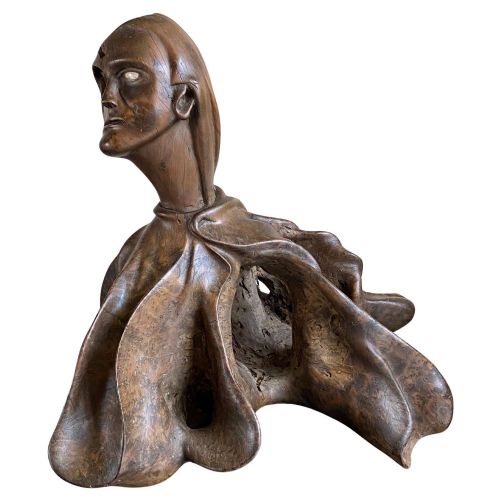


Carved Wooden Head Sculpture
A carved wooden head sculpture brings centuries of human expression, religious devotion and skilled craft straight into a room.
Carved Wooden Head Sculpture
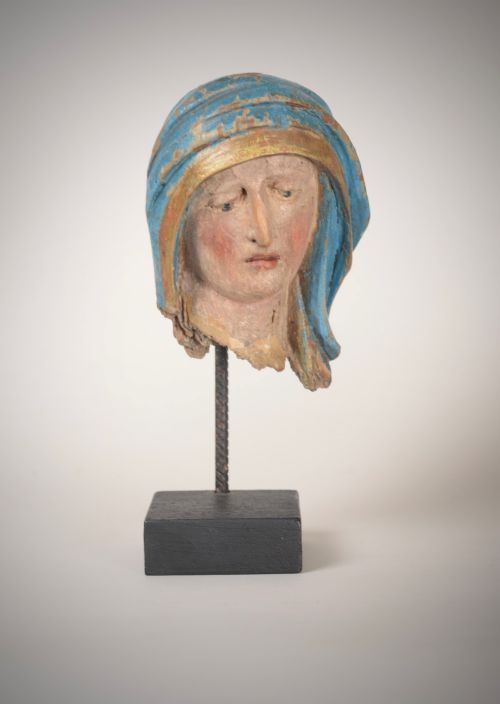
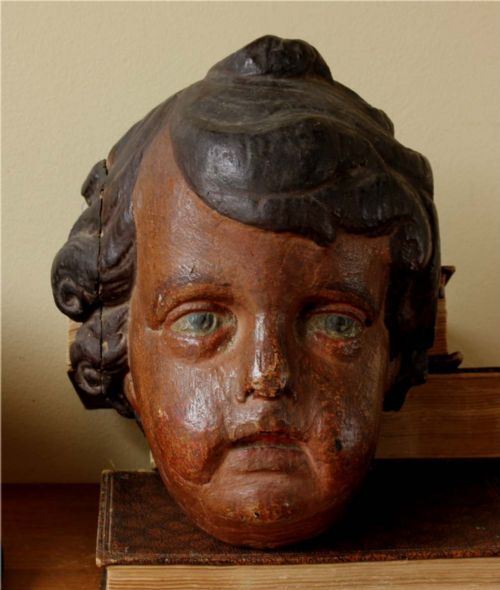
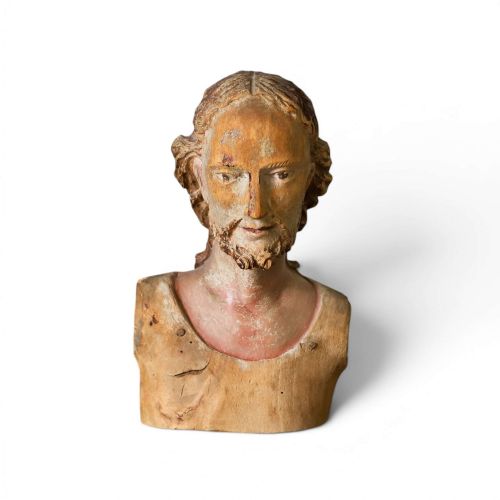
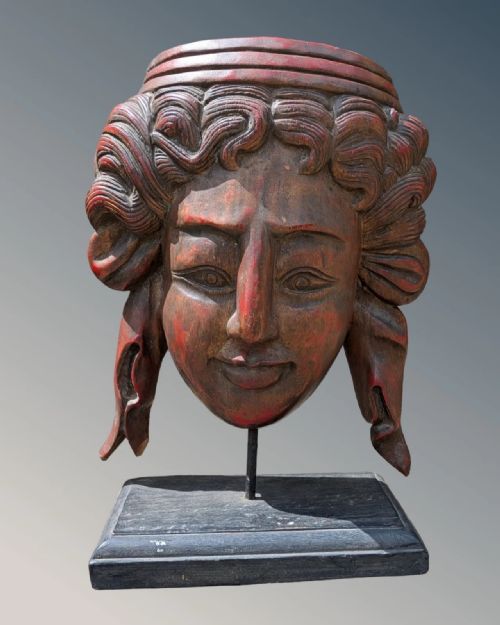
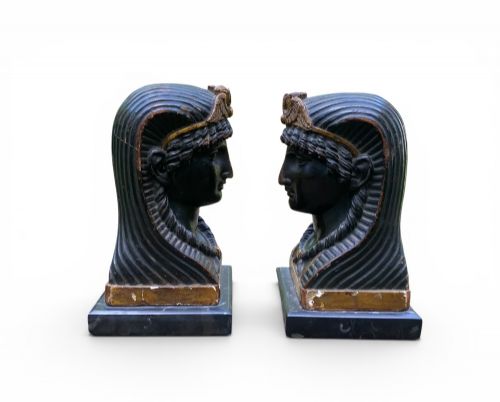
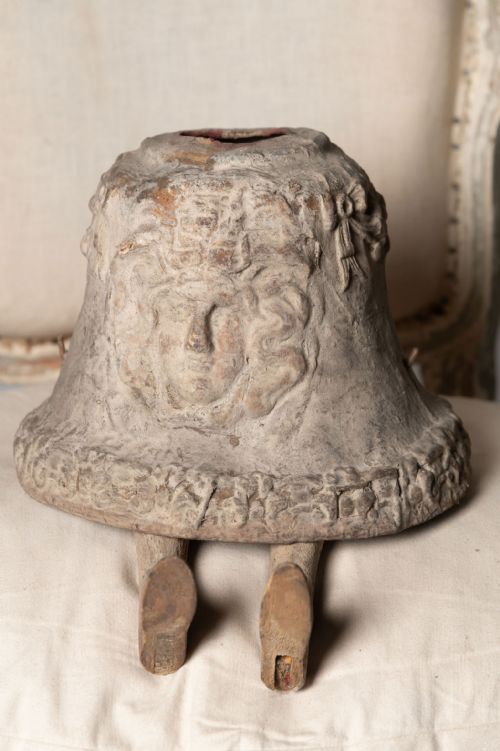
A carved wooden head sculpture encompasses a diverse range of forms, from solemn religious figures and architectural fragments to folk art masks and animal studies. When exploring this selection, buyers encounter objects spanning several centuries, including seventeenth-century devotional fragments, eighteenth-century putti, and nineteenth-century tribal artefacts. These works serve multiple functions, originating as church statuary, theatrical props, bookends, and wall masks.
The material presentation varies widely according to origin and period, ranging from European walnut studies of monks to African tribal reliquary guardian heads from the Gabon Fang tradition. Pieces emerge from distinct stylistic traditions such as Baroque, Black Forest, Art Deco, and regional folk art. Buyers are most likely to encounter nineteenth- and early twentieth-century examples alongside older seventeenth- and eighteenth-century ecclesiastical survivals.
What varies in quality
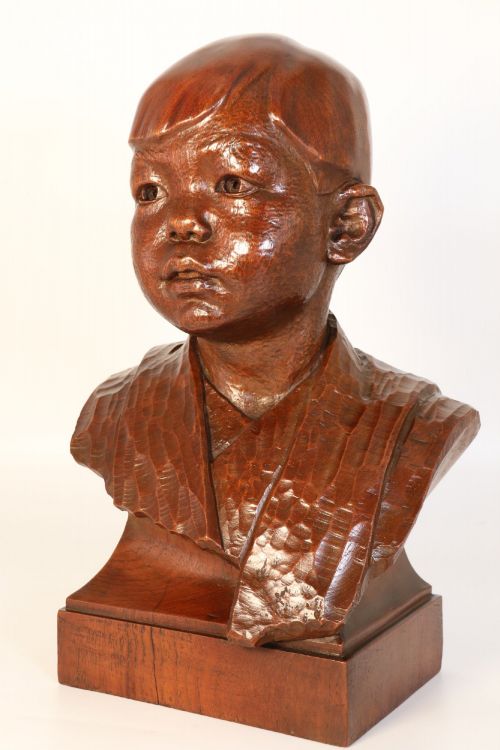
The distinction between ordinary and exceptional pieces rests upon the anatomical precision, psychological depth, and confidence of the hand behind the chisel. Master carvers captured subtle shifts in expression, tension in facial muscles, and realistic movement within hair and fur, whereas lesser pieces remain stiff and formulaic. The sensitivity of the surface finish, particularly on polychrome and gesso examples, dictates how well the carving retains its original character over centuries.
Provenance and individual artistry elevate certain sculptures, especially when signed by known sculptors or originating from specific cultural traditions with documented workshop practices. The integrity of the surviving timber, the preservation of original polychromy without over-restoration, and the sharpness of the hand-carved details separate standard decorative objects from museum-calibre works of art.
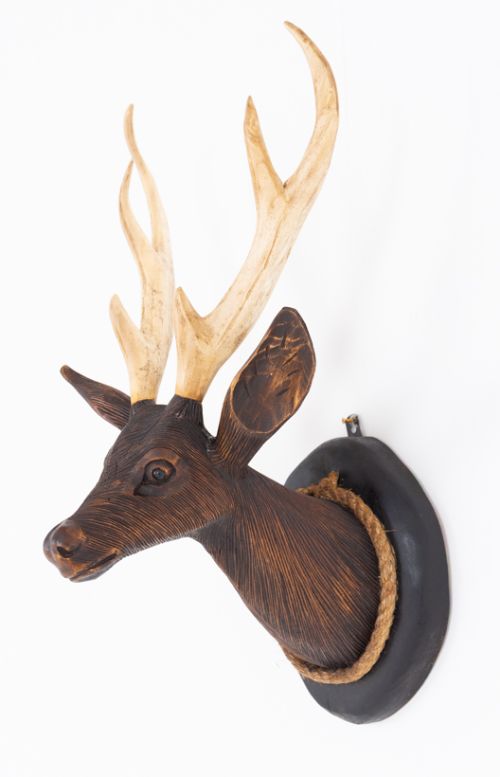
Cats, dogs, stags, foxes, and ibexes stare out from the woodwork alongside humans, proving that historical carvers loved animals just as much as we do.
George Henry Paulin RBS·Boudewijn Tuerlinckx·Laszlo Hoenig
The Carved Wooden Head Sculpture Glossary
- Polychrome
- Painted in several colours, this technique was widely applied to wood sculptures and religious figures to enhance visual realism and devotional impact.
- Gesso
- A plaster-like mixture applied to wooden surfaces to prepare them for painting or gilding, creating a smooth ground for fine detail.
- Corbel
- A structural piece of stone or wood projecting from a wall to support a weight, frequently carved into figurative or grotesque heads in older architecture.
- Reliquary
- A container or guardian figure meant to house sacred relics, commonly associated with African tribal art traditions such as the Gabon Fang.
- Treen
- Small handmade wooden domestic objects and decorative items, encompassing utilitarian pieces as well as carved wall masks and novelties.
- Écorché
- A figure drawn, painted, or sculpted showing the muscles of the body without skin, utilised historically for artistic and anatomical study.
Carved Wooden Head Sculpture: Frequently Asked Questions
How do I care for wooden sculptures?
Protect antique wood sculptures by keeping them away from direct sunlight, radiators, and rapid fluctuations in room temperature and humidity. Dust them gently with a dry, soft brush rather than using liquid polishes or chemical cleaners.
Maintaining a stable indoor climate prevents the timber from drying out, cracking, or causing painted and gesso surfaces to flake away.
How can I tell different periods apart?
Distinguishing periods relies on observing stylistic markers, tool marks left by the maker, and the natural ageing of the timber and surface pigments. Seventeenth and eighteenth-century pieces often display heavy Baroque influences and ecclesiastical themes, while nineteenth-century works expand into folk art and detailed naturalism.
Twentieth-century items frequently exhibit Art Deco geometry or distinct modernist interpretations of traditional cultural forms.
Were these always meant for display?
Many carved wooden heads served active functions rather than sitting purely as decorative cabinet pieces. Religious figures formed parts of larger altarpieces or processional statues, architectural corbels supported structural loads, and items like tobacco boxes or inkwells combined art with utility.
Tribal masks and guardian figures held active ritual purposes within their communities before entering the collector market.