

Polished Brass Light
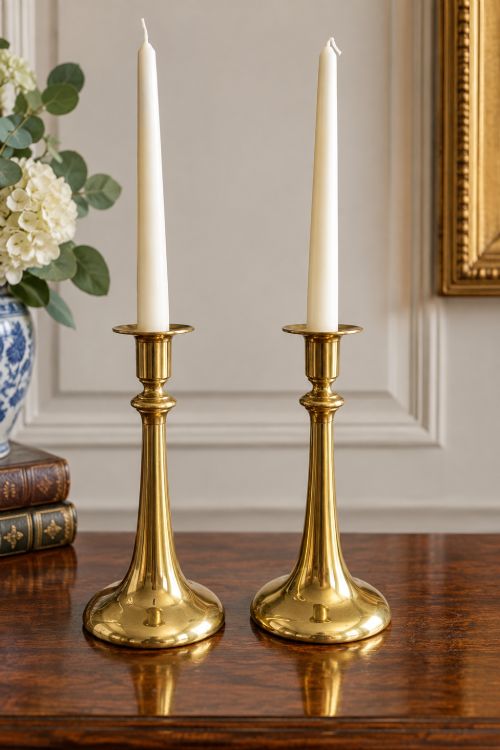
When you search for a polished brass light, you are looking at functional metalwork designed to illuminate historic interiors with a bright, warm gleam.
Polished Brass Light
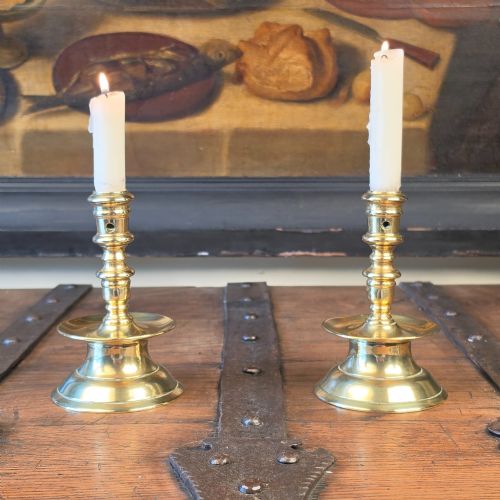
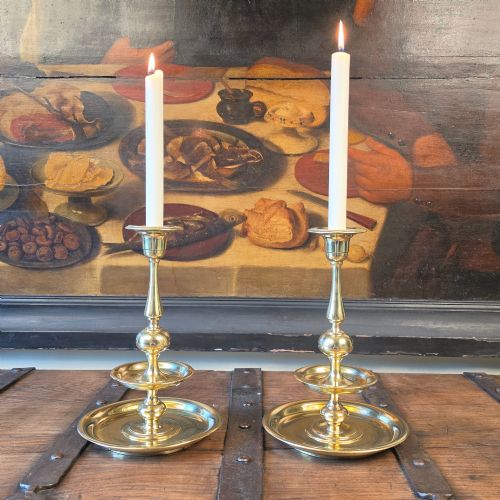
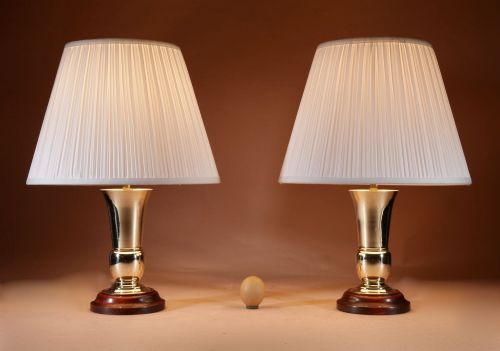
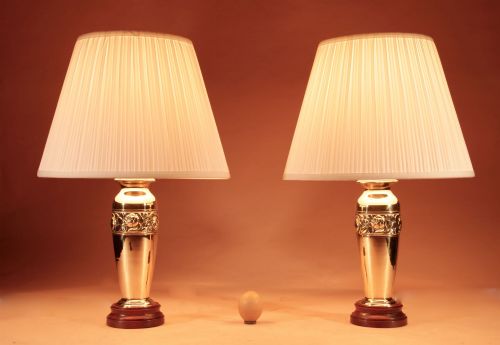
A polished brass light encompasses a diverse range of domestic and ecclesiastical metalwork spanning several centuries of design. You will frequently encounter items categorized under polished brass light within Victorian, Edwardian, and Georgian periods, alongside pieces bearing the distinct influences of the Arts and Crafts and Art Deco movements.
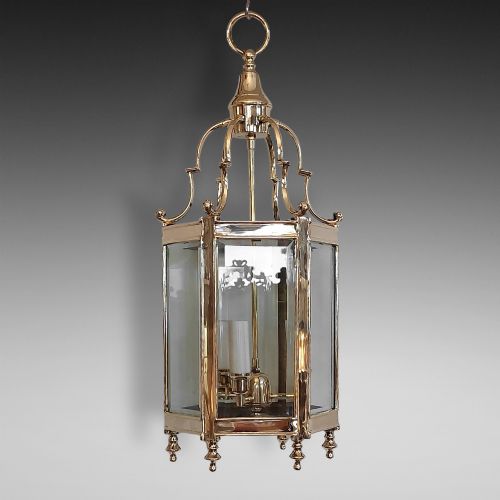
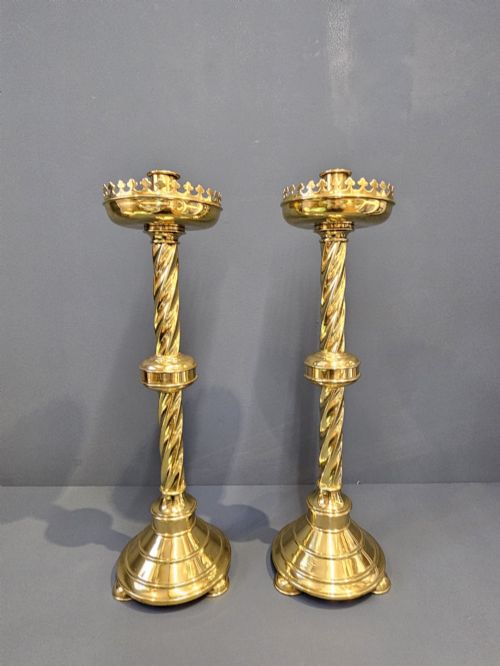
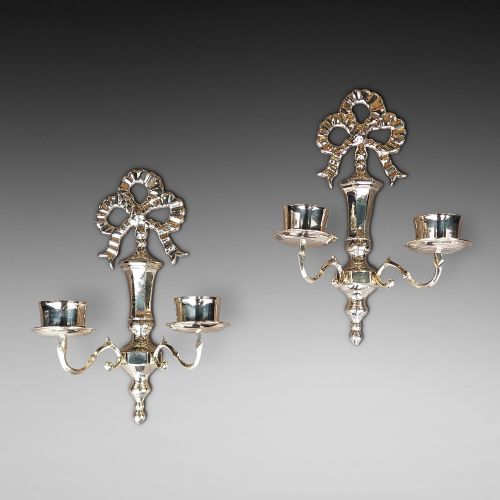
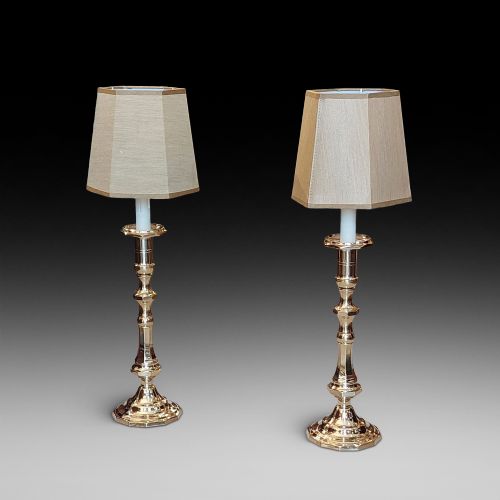
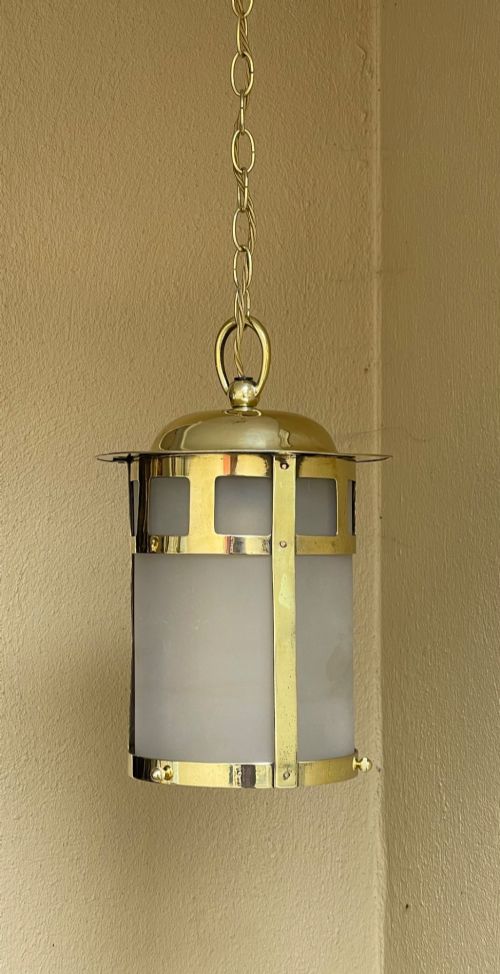
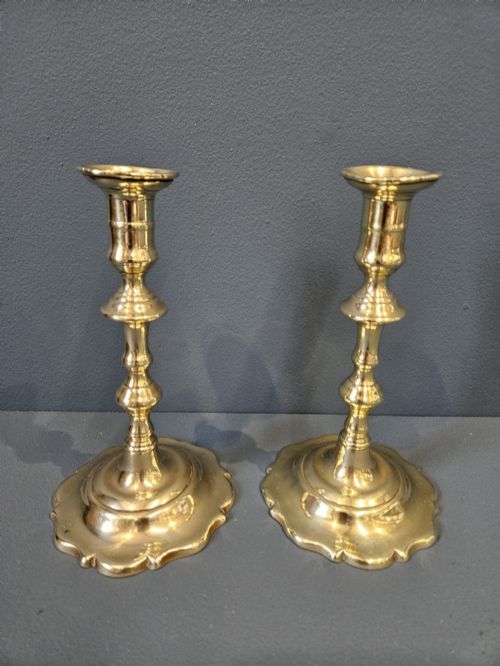
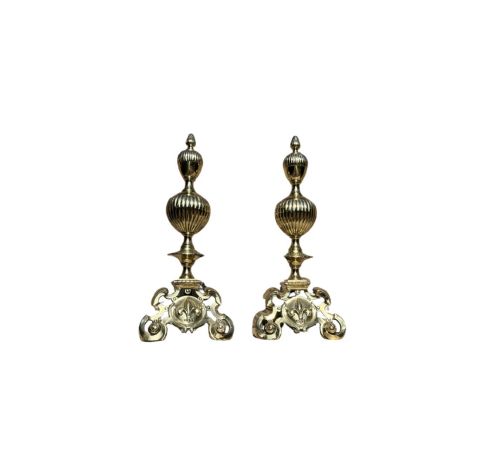
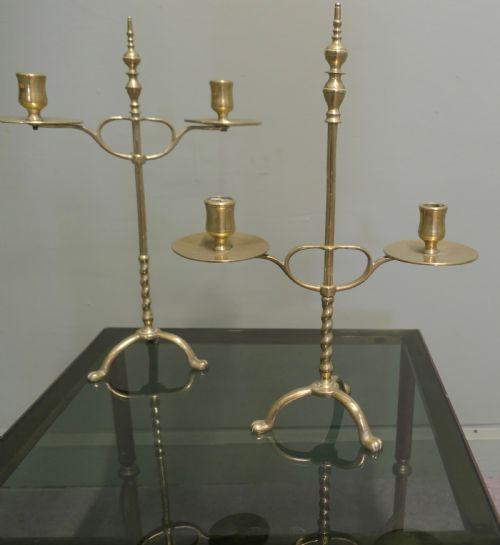
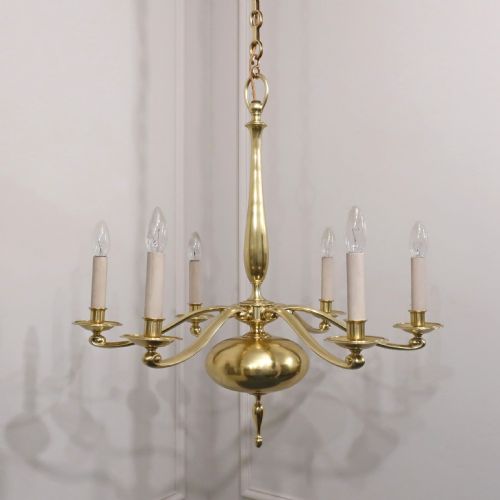
The selection on this page stretches from simple domestic lighting to grander architectural fixtures. Common forms include table lamps, wall sconces, ceiling lanterns, and chandeliers, often accompanied by related items such as church candlesticks and fireplace accessories.
Many of these fixtures originate from English and French workshops, utilising brass as the primary metal while occasionally incorporating supporting elements of glass, fabric, marble, and iron.
Materials and Construction
The construction of these pieces relies heavily on brass, shaped through casting, turning, and seaming techniques to produce both structural bodies and decorative components. Metalworking methods visible across the inventory include heavy casting for stability and fine turning on lathes to create slender stems and twisted shafts.
Many items are finished with applied details in gilt bronze or paired with complementary materials such as cut glass crystals, stained glass panels, and marble bases. Lanterns and chandeliers frequently combine brass frames with glass chimneys, convex glass panels, or fabric shades to diffuse the illumination.
Polished Brass Light Retail Price Guide 2026
Typical asking prices for polished brass light among the pieces listed under this phrase on Sellingantiques today, from the lower quarter to the upper quarter. They describe what is for sale here now, not the wider market.
Listings span periods from the 18th century through the 1920s, showcasing styles from Georgian neoclassical to Art Deco.
Assessing Quality
Quality in these metal fixtures is determined by the weight of the metal and the precision of the assembly. Finer examples display crisp casting details, substantial gauge brass that resists bending, and secure joints where separate components meet.
G.E.C·F. & C. Osler·J. Miller·Frederick J Smith & Co
The Polished Brass Light Glossary
- Ejector candlestick
- A type of candlestick featuring an internal sliding mechanism designed to push out the remaining stub of a wax candle.
- Pricket
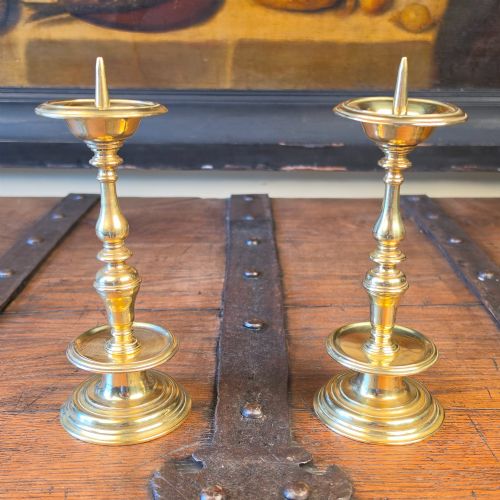
- A sharp metal spike set on a drip pan to hold a large candle securely, commonly found on church candlesticks.
- Convex lantern
- A hanging or wall-mounted lighting fixture enclosed by curved glass panels that project outward from the metal frame.
- PAT tested
- Portable appliance testing indicating that an electrical item has undergone safety checks for current leakage and earthing.
- Adam Revival
- A neoclassical design style drawing on the 18th-century architectural motifs popularized by the Adam brothers.
Polished Brass Light: Frequently Asked Questions
How do I date an antique brass light?
Dating relies on stylistic clues, manufacturing methods, and any patent marks or maker stamps present on the metal. Georgian and Victorian pieces often show hand-finishing marks and specific period silhouettes.
Later Edwardian and 20th-century items incorporate different joining techniques and wiring standards that help place them in a narrower timeframe.
Are these lights compatible with modern wiring?
Many hanging and wall-mounted fixtures have been updated with modern electrical wiring and safety tests to meet contemporary standards.
Buyers should check individual listing details to confirm whether a piece retains its original fittings or has been rewired for immediate domestic use.
How should I clean polished brass?
Polished brass generally requires gentle dusting with a soft cloth to maintain its brightness without wearing away the underlying metal surface.
Harsh chemical abrasives should be avoided to preserve any historic patination or specialised lacquer applied by the maker or restorer.