






Polished Brass Coal Bucket
A polished brass coal bucket brings a bright, warm focal point to a hearth while keeping fuel neatly stored beside the fire.
Polished Brass Coal Bucket
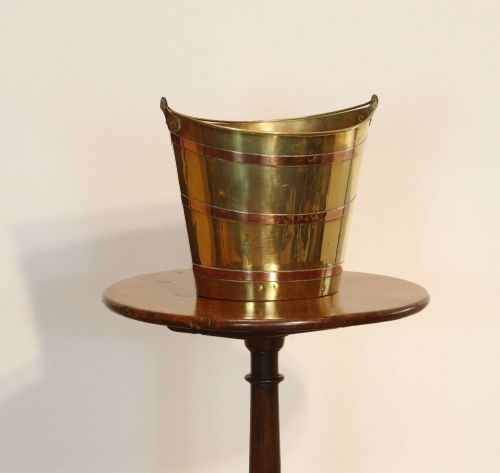
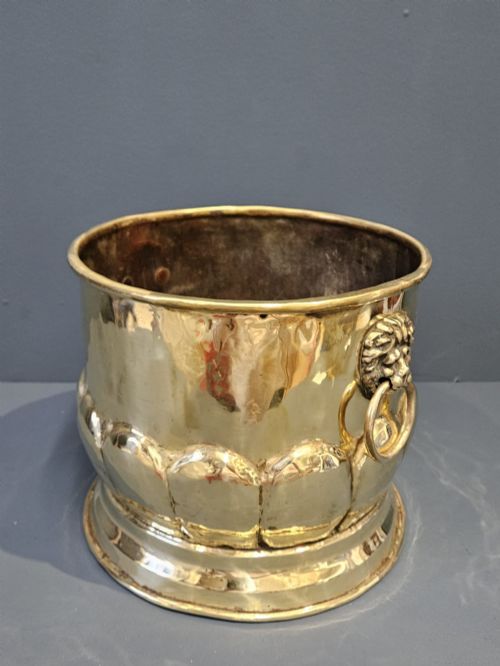
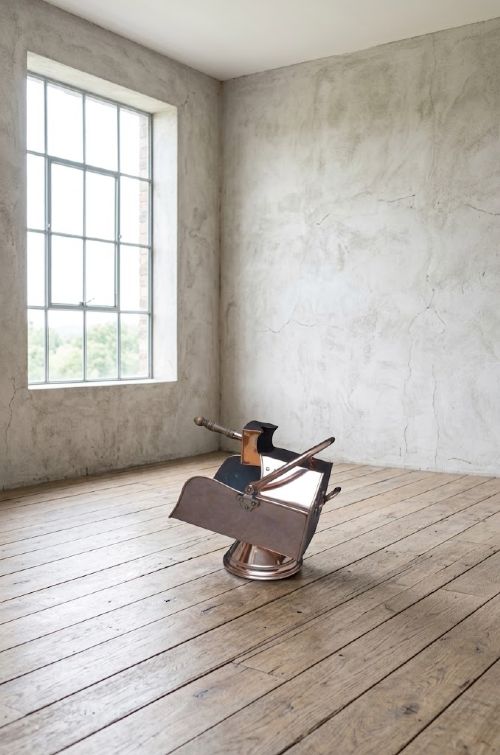
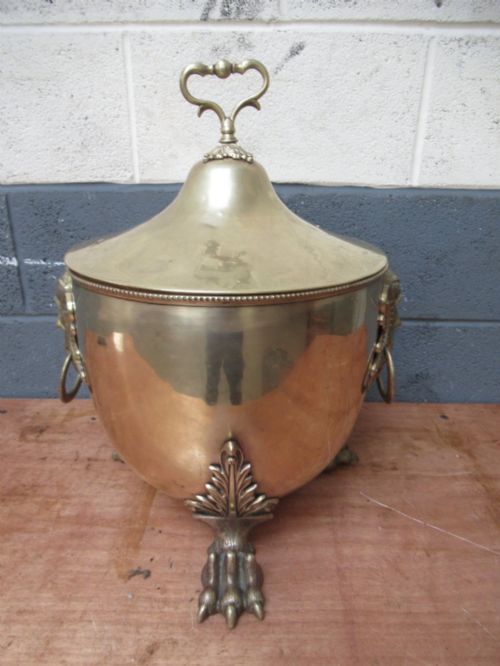
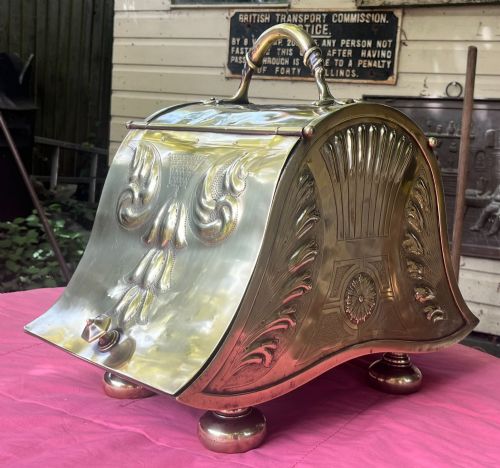
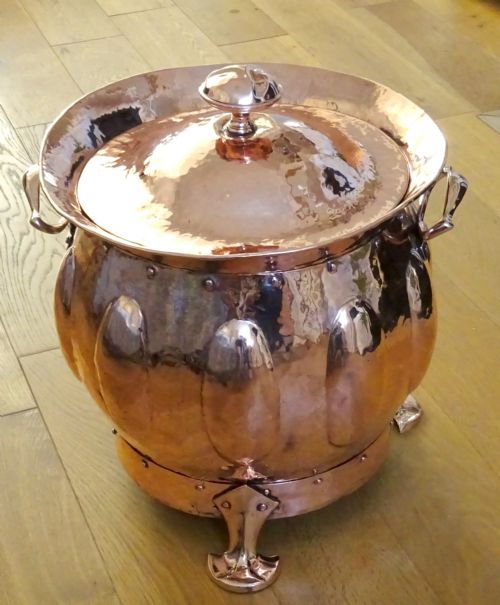
When you search for a polished brass coal bucket, you encounter functional fireside vessels shaped by Victorian, Edwardian, and earlier periods. The examples appearing here span standard coal scuttles, helmet shapes, and large bins suited for logs or peat.
Most pieces date from the nineteenth and early twentieth centuries, reflecting styles from Regency through to Art Nouveau and Adam designs. Makers such as Benham and Froud and William Soutter and Sons represent the metalwork output of these eras.
Beyond holding fuel by the hearth, many of these items serve dual purposes as planters or jardinieres. They bring metallic warmth and traditional craftsmanship into domestic rooms, whether styled in plain brass or combined with copper and iron elements.
Materials and construction
Makers fashioned these vessels primarily from polished brass and copper, frequently incorporating wood handles and iron components for structural strength. Riveted construction appears on many pieces, joining sheet metal panels securely together to contain heavy loads of coal or logs.
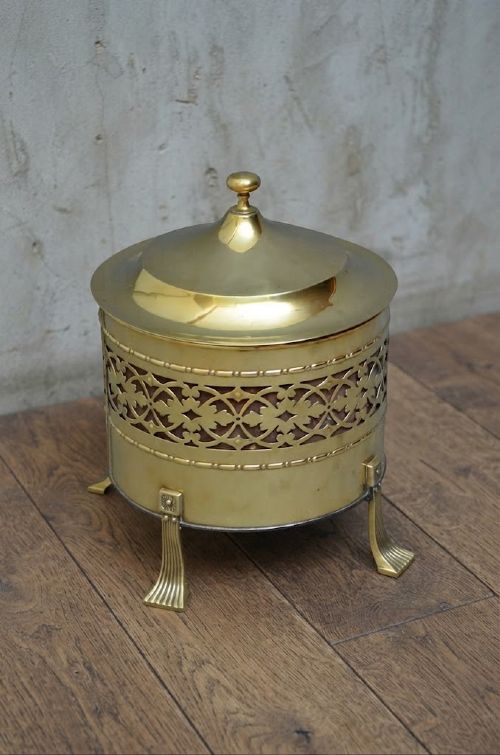
Designers applied surface ornamentation through repoussé work, fretwork patterns, and stylized Art Nouveau motifs. Many helmet-shaped scuttles and buckets include interior liners to protect the outer metal from moisture and residue.
Polished Brass Coal Bucket Retail Price Guide 2026
Typical asking prices for polished brass coal bucket among the pieces listed under this phrase on Sellingantiques today, from the lower quarter to the upper quarter. They describe what is for sale here now, not the wider market.
Listings feature Victorian, Edwardian, and Regency periods alongside specific styles like Art Nouveau and Adam.
Assessing quality and craftsmanship
Quality rests upon the thickness of the brass and copper sheet, the rigidity of the riveted joints, and the crispness of any embossed or fretwork decoration. Superior examples maintain balanced proportions and retain their original swing handles and shovels.
Marked pieces from known workshops indicate higher workshop standards, whilst finer domestic items show careful attention to edge finishing and handle attachments. The presence of a sturdy original liner also marks out a superior vessel.
Benham and Froud·William Soutter and Sons
The Polished Brass Coal Bucket Glossary
- Coal helmet
- A coal container featuring a flared rim and raised back resembling a classical helmet. This shape allowed fuel to be poured directly onto the fire.
- Purdonium
- A box-style coal container with a sloping front drop-down door, often housing a removable metal liner. It kept coal contained out of sight beneath the hearth.
- Jardiniere
- An ornamental pot or receptacle for holding plants, a form frequently adapted from heavy brass coal buckets. These vessels often sit on hearths or in reception rooms.
- Repoussé
- A metalworking technique where the maker hammers or presses sheet metal from the reverse side to form a raised design. It appears on decorative panels of nineteenth-century bins.
- Fretwork
- Pierced or perforated ornamental work cut through sheet brass or copper. Edwardian designs often utilised this technique around the rim or body.
Polished Brass Coal Bucket: Frequently Asked Questions
How do I clean a polished brass coal bucket?
Use a soft cloth and a proprietary metal polish designed for brass, rubbing gently along the grain to lift soot and tarnishing without stripping the surface.
Avoid harsh abrasives or acidic cleaners that can permanently pit the metal or damage any applied patination accumulated over the decades.
Can I use an antique bucket for real coal?
Many examples remain robust enough to hold solid fuel, particularly those fitted with sturdy iron bases and thick metal walls.
Using a removable modern liner protects the historic interior from moisture and corrosive residues left by damp fuel.
How do I date a brass coal bucket?
Examine the construction methods, such as the style of riveting, handle attachments, and any stamped maker marks or registration numbers on the base. Stylistic clues like Art Nouveau curves or Regency proportions also point towards specific manufacturing decades.
Comparing the weight and choice of secondary metals like copper and iron helps place the piece within the Victorian or Edwardian periods.