
Pocket Tobacco Box
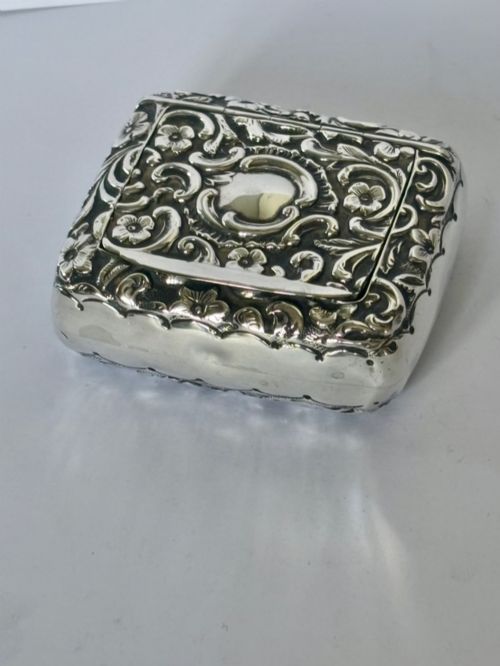
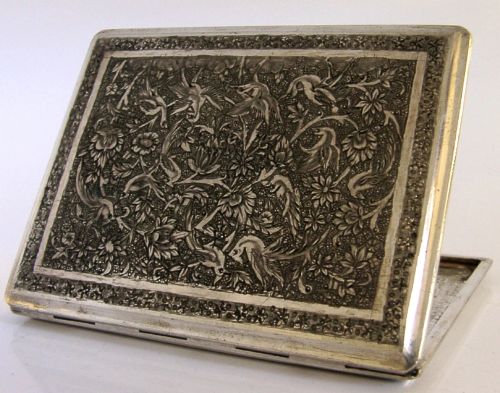
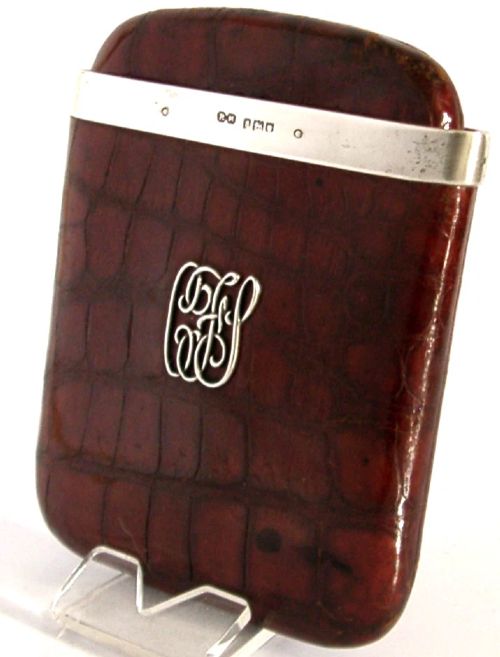
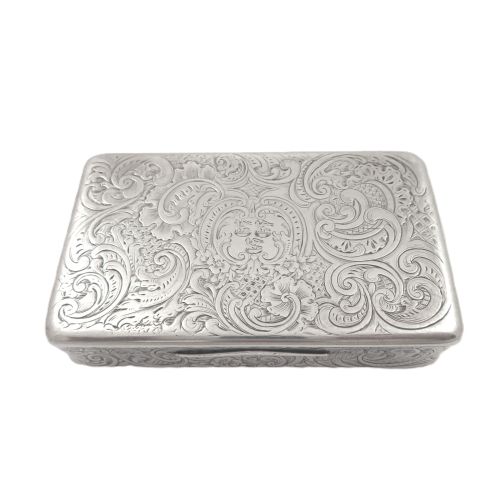
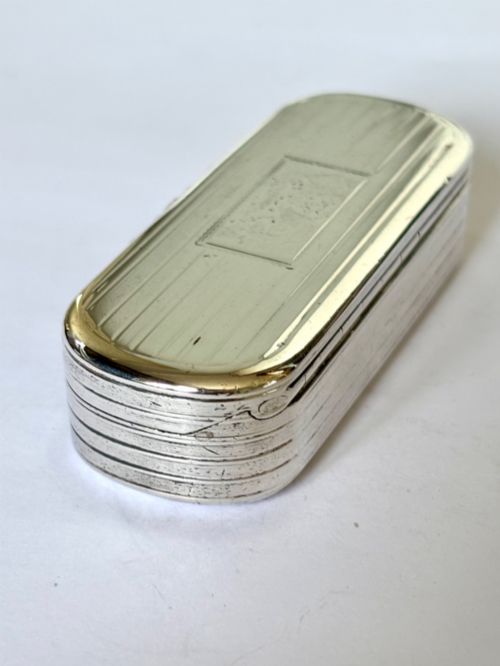
Pocket tobacco box describes these small, portable containers fashioned to carry tobacco, snuff, and cigarettes in a waistcoat or pocket.
Pocket Tobacco Box
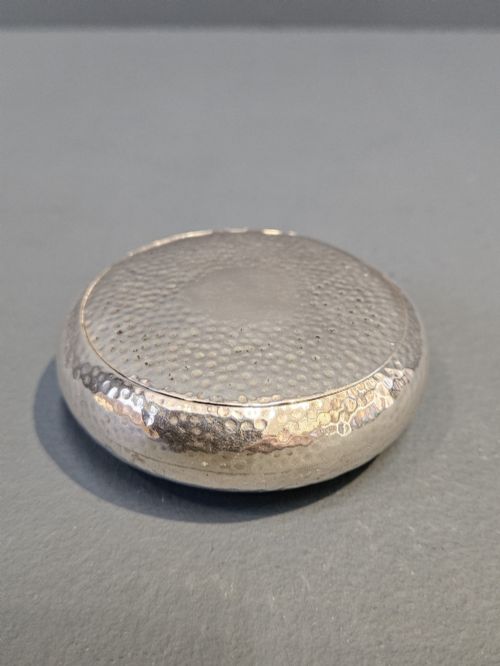
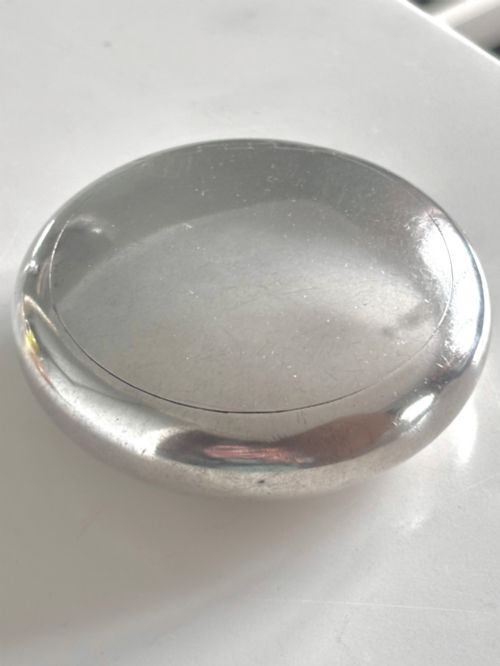
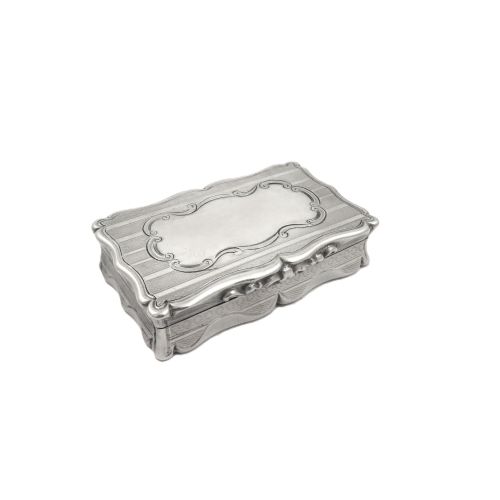
A pocket tobacco box serves as a portable container for personal smoking or sniffing materials, taking forms such as hinged snuff boxes, card cases, and squeeze pouches. The selection spans Georgian, Victorian, and Edwardian periods, reflecting the shifting social habits of gentlemen and ladies across two centuries.
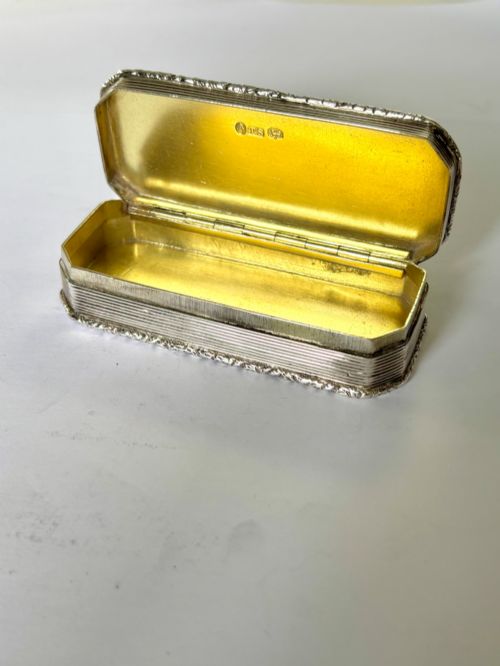
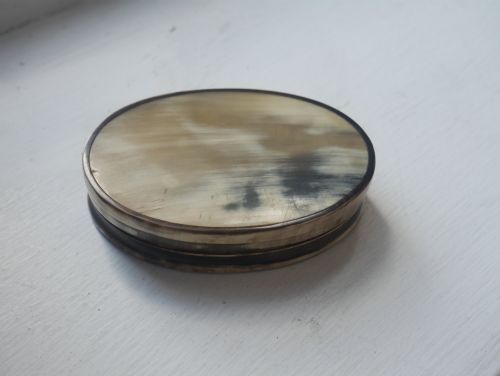
Silver and sterling silver dominate the surviving examples, often highlighted by gilt interiors known as vermeil. Alongside precious metals, makers utilised brass, horn, fruitwood, ebony, and tortoiseshell to shape these pocket companions.
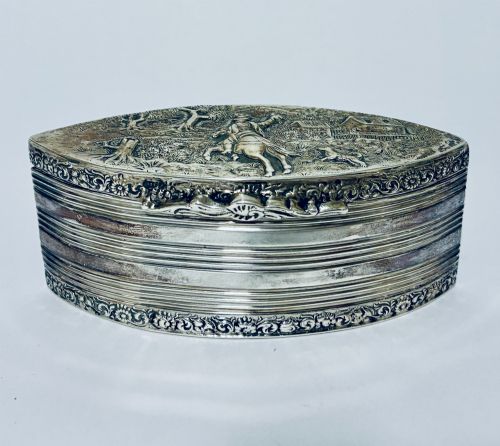
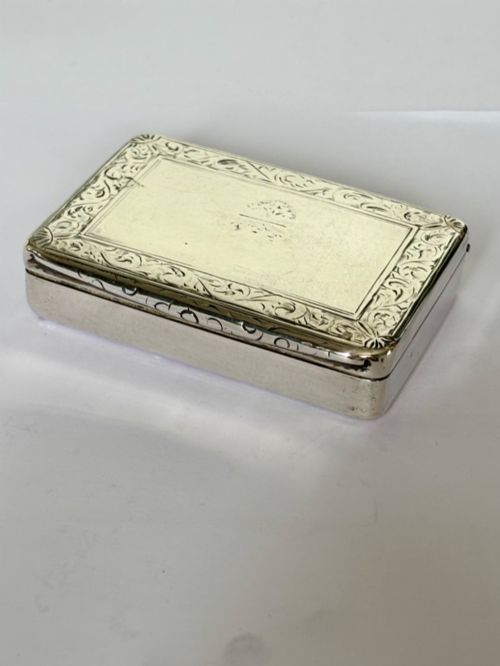
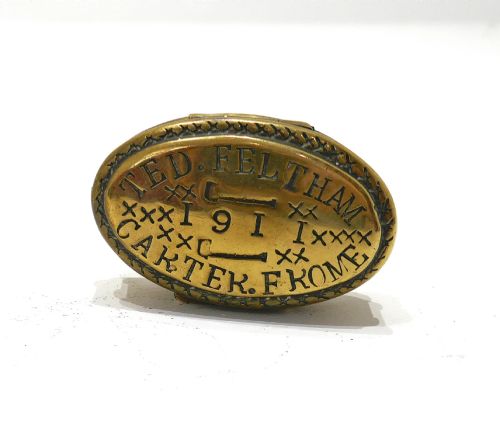
Objects on this page range from plain utilitarian brass containers engraved with personal names to ornate silver-gilt boxes chased with floral borders, classical scenes, and armorial crests.
How They Were Made
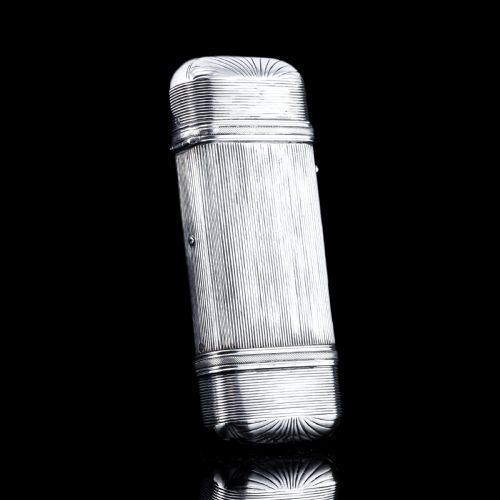
Silversmiths constructed metal boxes using techniques such as casting, repoussé embossing, hand engraving, and engine-turning to pattern the exterior surfaces. Many silver examples feature interior gilding applied by fire gilding or vermeil techniques to protect the metal from corrosive tobacco acids.
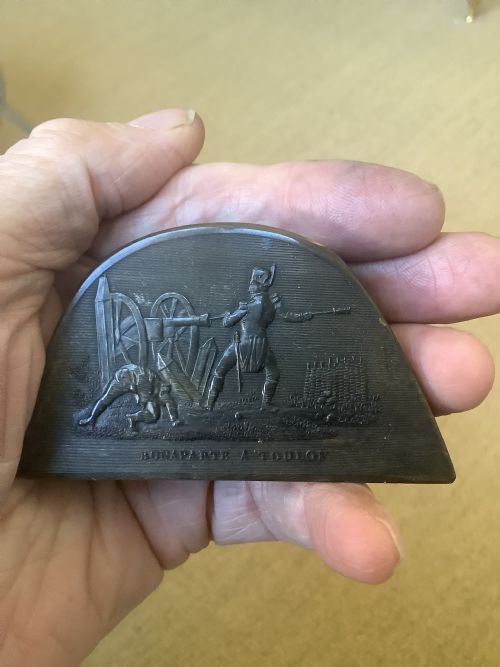
Organic materials like horn and fruitwood were turned on lathes, pressed in heated metal moulds to capture intricate details like bicorn hats, or laboriously carved by hand. Artisans frequently inlaid these wooden and horn containers with contrasting bone hearts and diamond shapes or fitted them with faceted citrine stones.
Listings for pocket tobacco box span the Georgian, Victorian, and Edwardian eras, utilising sterling silver, brass, horn, and fruitwood.
What Varies in Quality
Quality rests upon the crispness of the chasing, the precision of the engine-turning, and the integrity of the hinges and closures. Superior pieces display deep, well-defined relief work on embossed silver and tight, seamless joints that keep tobacco fresh.
The choice of materials and signature craftsmanship elevate certain works, such as gold book-form snuff boxes or documented pieces by notable silversmiths, above standard utilitarian brass and pewter containers.
Mappin And Webb·Henry Matthews·Robert Thornton·Thomas Shaw·Edward Smith·Joseph Willmore·Sampson Mordan·David McDonald·Alexander James Strachan·William Eaton·James Dixon
The Pocket Tobacco Box Glossary
- Vermeil
- Sterling silver coated with a thin layer of gold on the interior or exterior surfaces. This technique provided the luxurious appearance of solid gold while preventing tobacco acids from tarnishing the silver.
- Engine-turned
- A decorative technique executed on a lathe to engrave precise, intricate geometric patterns into metal or wood surfaces. It added texture and light reflection to otherwise plain covers.
- Repoussé
- A metalworking method where an artisan hammers the metal from the reverse side to form a raised design in relief. The piece is then refined on the front with chasing tools.
- Treen
- Small handmade wooden household objects and utility items turned or carved from fruitwood, boxwood, or other timbers. Collectors prize these for their tactile surfaces and age-related patination.
- Squeeze
- A flexible pocket container designed to be compressed at the sides to open the aperture. Edwardian manufacturers produced these specifically for loose tobacco and cigarette storage.
Pocket Tobacco Box: Frequently Asked Questions
What is a pocket tobacco box?
A pocket tobacco box is a small, rigid or semi-flexible container designed to hold loose tobacco, snuff, or cigarettes safely inside a pocket. These vessels were carried daily by smokers and takers of snuff.
They evolved in form from simple wooden treen and brass cases to elaborate silver and gold boxes fitted with secure snap-shut hinges.
How do I date a silver tobacco box?
Dating a silver tobacco box involves reading the hallmarks stamped onto the metal, which typically include a maker's mark, a standard mark, a town assay office mark, and a date letter. These official marks reveal the exact year and city of manufacture.
Unmarked metal pieces or organic materials like horn and wood are dated by their style, construction methods, and comparative design traits.
How were horn boxes shaped?
Horn boxes were frequently shaped by softening the natural horn in boiling water or hot oil and then pressing it into heated metal dies. This pressing technique allowed makers to achieve sharp relief details like Napoleonic bicorn hats.
Other horn and tortoiseshell examples were carved by hand and polished to highlight the natural translucency and colour variations of the material.
Why do some silver boxes have gold interiors?
Silver boxes often feature gold interiors, known as vermeil, to protect the reactive silver from the corrosive moisture and oils found in tobacco and snuff. This layer prevented the contents from acquiring a metallic taste.
Beyond practical utility, the contrasting flash of gold when opening the lid added a discreet touch of luxury.