
Plant Stand Column
A plant stand column elevates decorative objects and foliage, bringing vertical line and architectural presence to a room.
Plant Stand Column
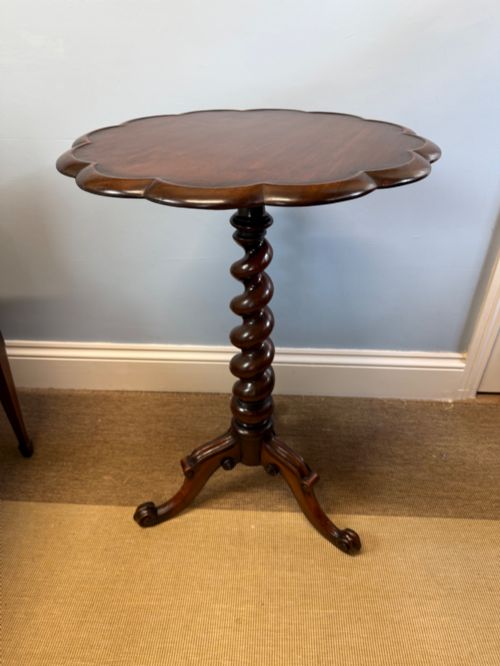
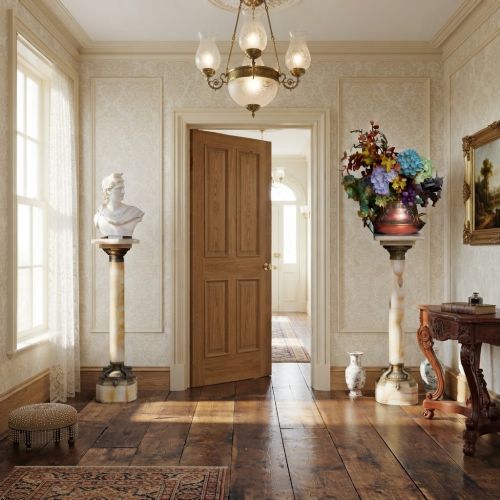
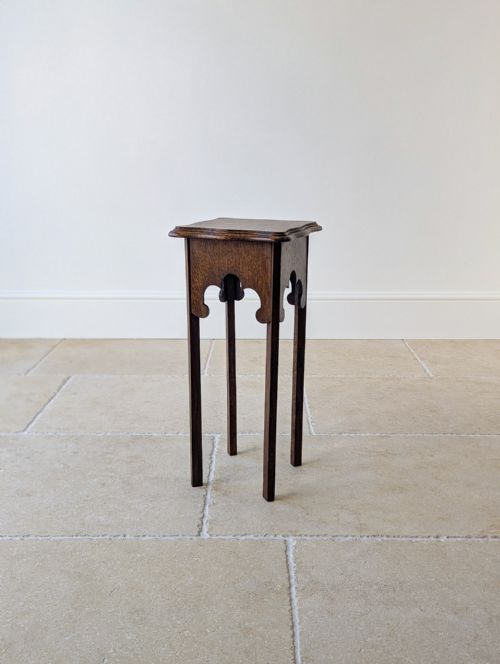
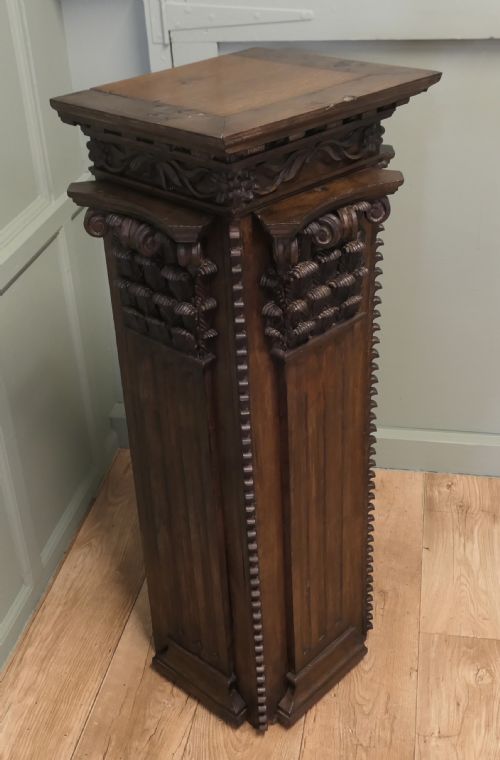
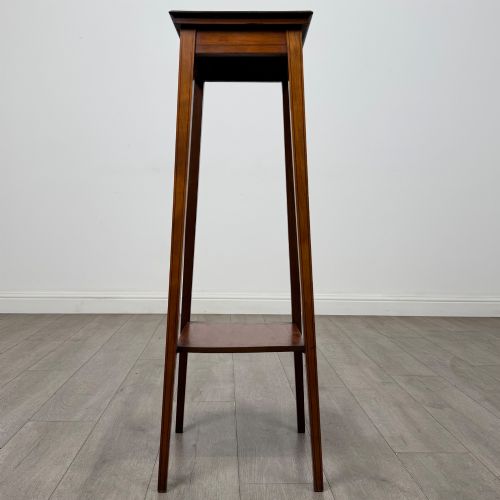
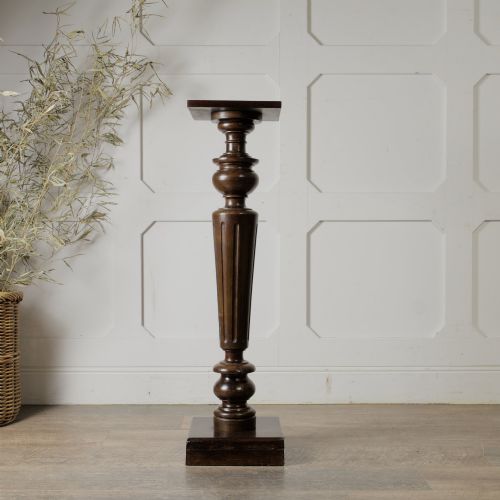
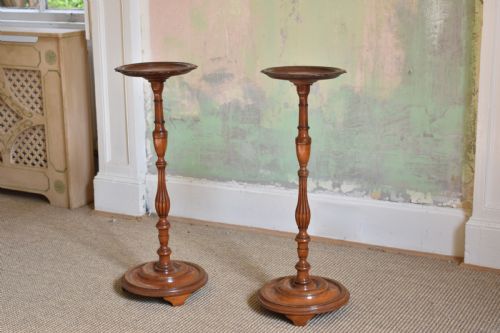
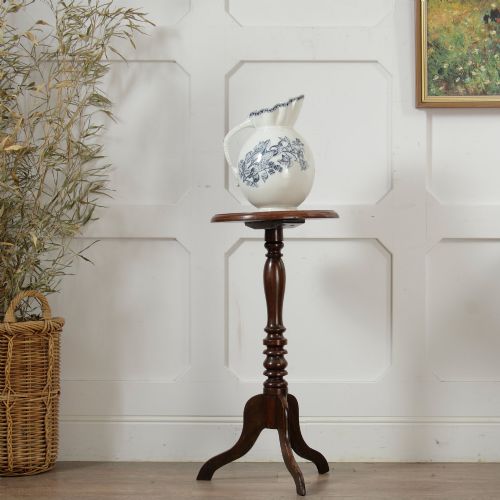
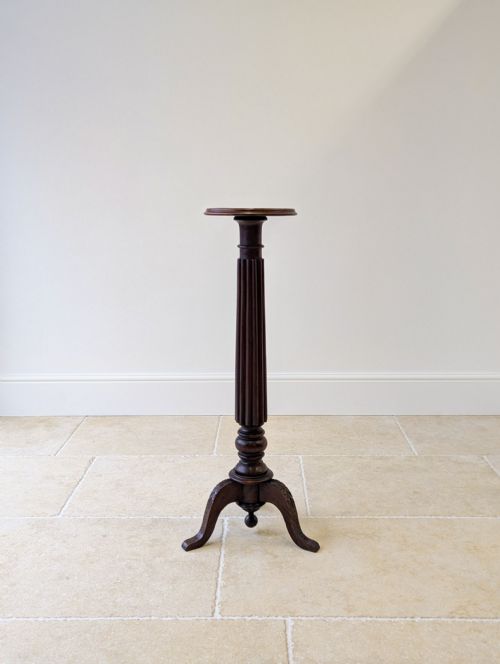
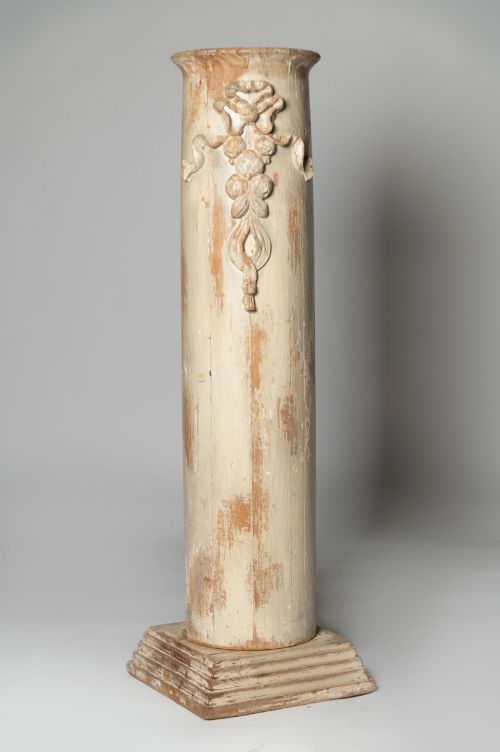
A plant stand column acts as a display support for urns, busts, jardinieres, and lamps, lifting them into the line of sight. When you explore this selection, you encounter forms designated variously as pedestals, torcheres, plinths, and occasional tables.
The material origins span multiple centuries, with Victorian and Edwardian examples appearing alongside 18th-century and Georgian pieces. Makers constructed these items to serve domestic display functions in drawing rooms and halls, utilising classical architectural proportions adapted for household interiors.
Materials and construction
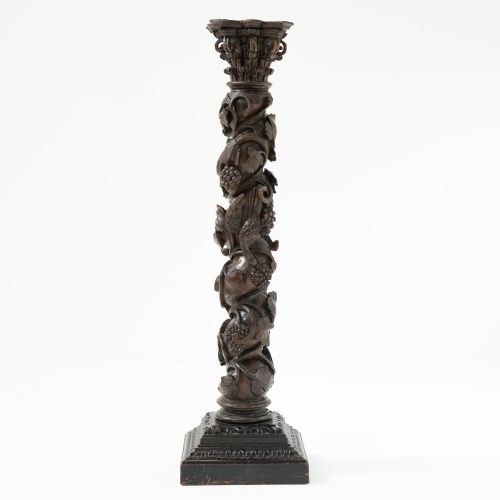
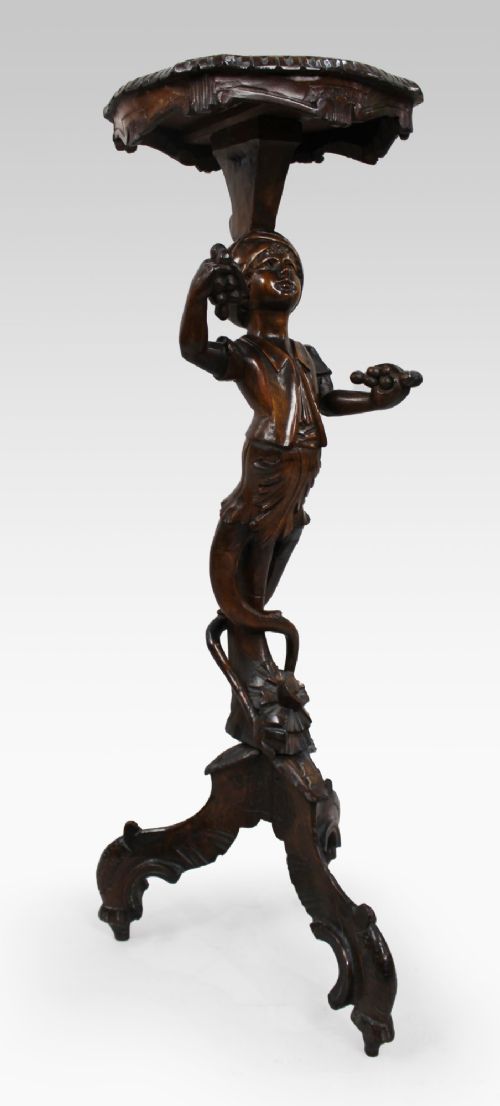
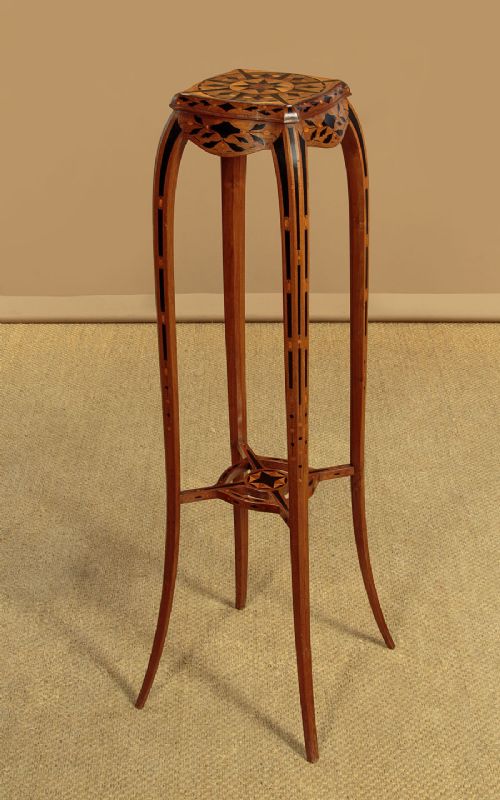
Cabinetmakers and artisans utilised timber species such as mahogany, walnut, oak, satinwood, and kingwood, frequently employing turning, carving, and marquetry inlay techniques. Pieces often feature solid construction or decorative veneers applied to carcase woods.
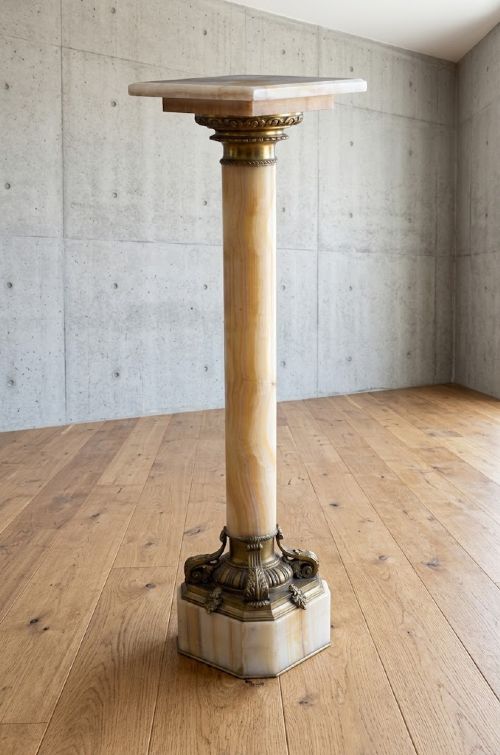
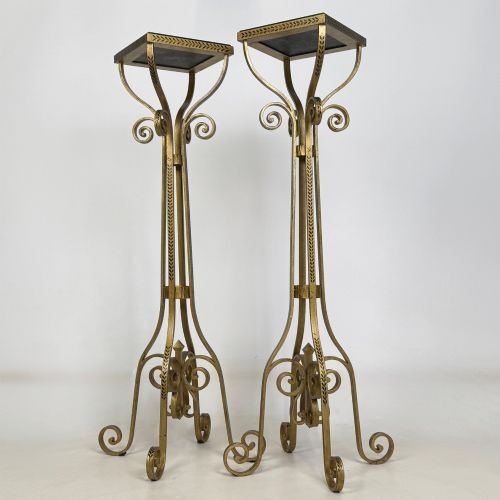
Stonework and metalwork form another major construction category, incorporating marble, onyx, alabaster, scagliola, terracotta, bronze, and ormolu collars. Artisans combined these mineral materials with wood or cast metal elements to create stable display columns.
Assessing quality
Quality depends upon the crispness of carved detail, the selection of timber grain or marble figure, and the structural integrity of the column shaft. Superior examples display balanced proportions, secure joints, and harmonious material pairings such as marble tops with ormolu mounts.
Decorative embellishments, including hand-painted surfaces, intricate inlay, or cast bronze mounts, elevate standard utility pieces into fine decorative arts. Finer items exhibit deliberate attention to secondary woods and finished undersides that mark competent workshop production.
Shoolbred
The Plant Stand Column Glossary
- Torchere
- A tall, slender stand designed to hold a light or a decorative plant. These pieces usually feature a small circular or square top supported by a single central pillar and a stable base.
- Solomonic
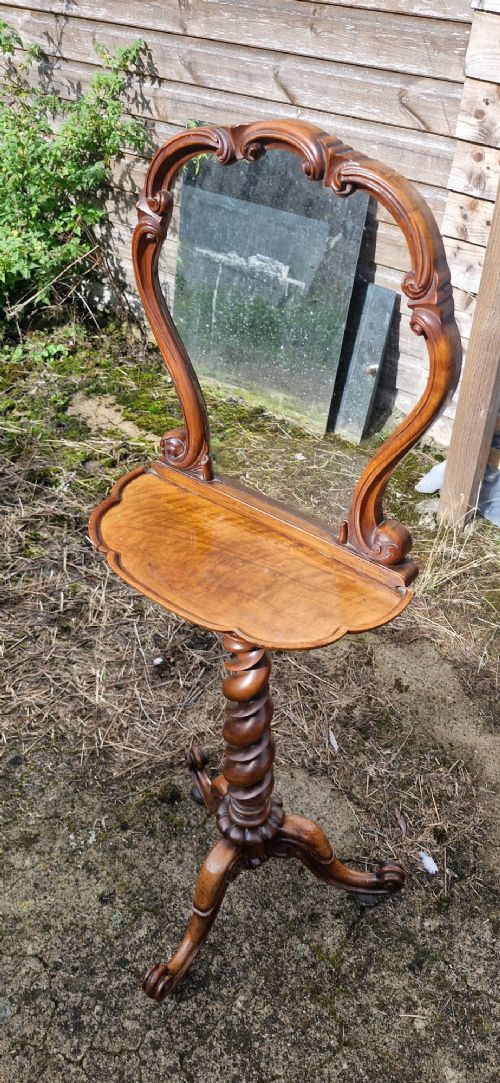
- A helical or spiral-twisted column shaft associated with classical and baroque architecture. Carvers executed this dynamic twist in solid oak and other timbers.
- Ormolu
- Gilt-bronze decorative mounts applied to furniture and stonework. Makers utilised these metallic accents to enrich the junction points of columns and pedestals.
- Scagliola
- A composite material made from selenite, glue, and pigments, mimicking natural marble. Artisans poured and polished this substance to create decorative columns.
- Plinth
- The flat base or block supporting a column shaft, statue, or vase. This architectural component provides structural stability and visual grounding for the stand above.
Plant Stand Column: Frequently Asked Questions
What is a plant stand column?
A plant stand column is a raised architectural support designed to display botanical specimens, sculptures, or lighting within domestic interiors.
These pieces lift decorative objects to eye level, introducing vertical proportion to room layouts while serving functional display roles.
Where were they placed historically?
Historically, owners positioned these stands in drawing rooms, hallways, and conservatories to display prized plants, art objects, or lamps.
Their narrow footprint allowed them to occupy corners and empty wall spaces without obstructing foot traffic in principal reception rooms.
How do I distinguish Victorian from Edwardian stands?
Victorian stands tend to feature heavier carved mahogany or walnut timber with rich dark finishes and robust classical revival detailing.
Edwardian examples often embrace lighter woods like satinwood and feature delicate inlay work reflecting Neoclassical or Arts and Crafts sensibilities.
Can these columns support heavy items?
Many solid wood and marble columns possess substantial weight-bearing capacity suited for heavy stone urns or large bronze busts.
Stability depends primarily on the breadth of the base and the soundness of the central construction rather than the height alone.