




Pink Wool Persian Rug
A pink wool persian rug brings warmth and enduring craft to a room, woven by nomadic and village hands across the centuries.
Pink Wool Persian Rug
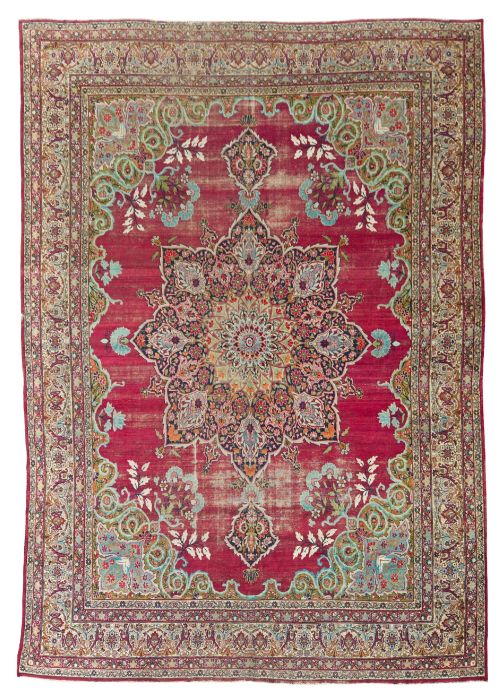
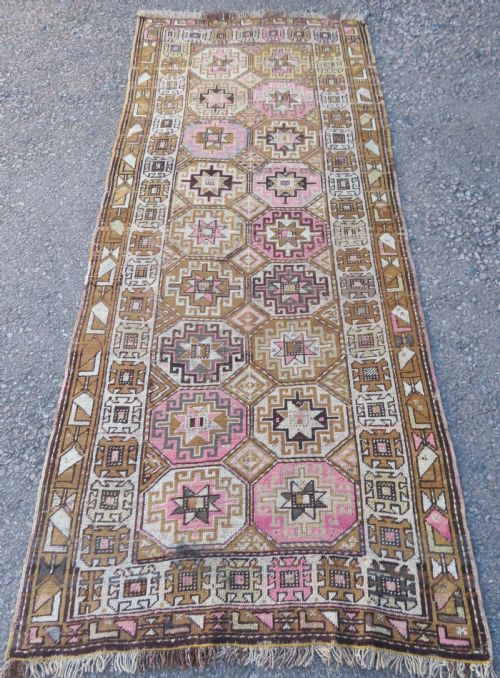
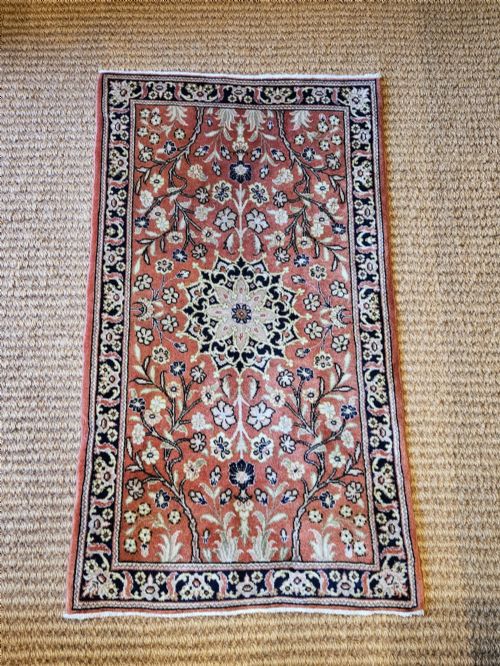
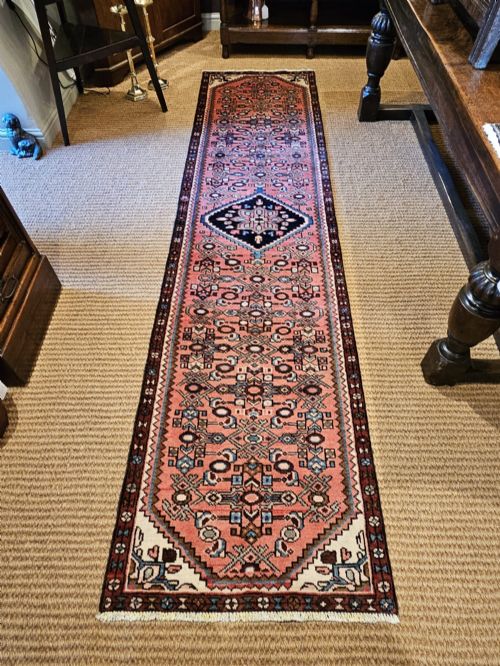
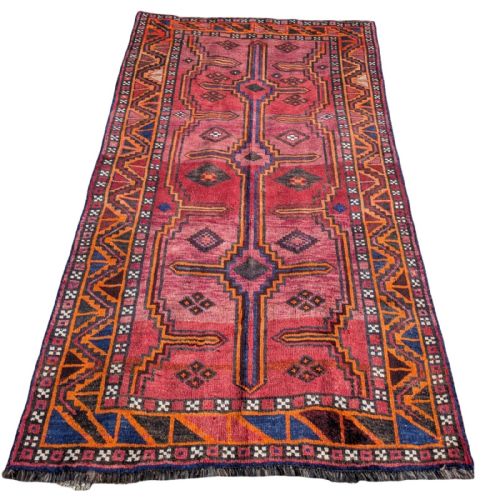
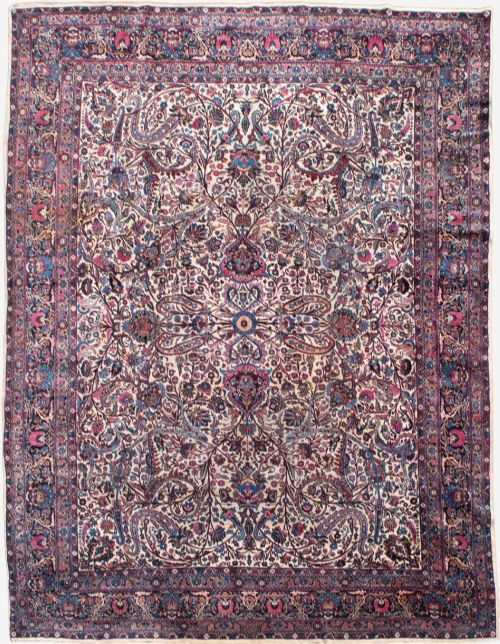
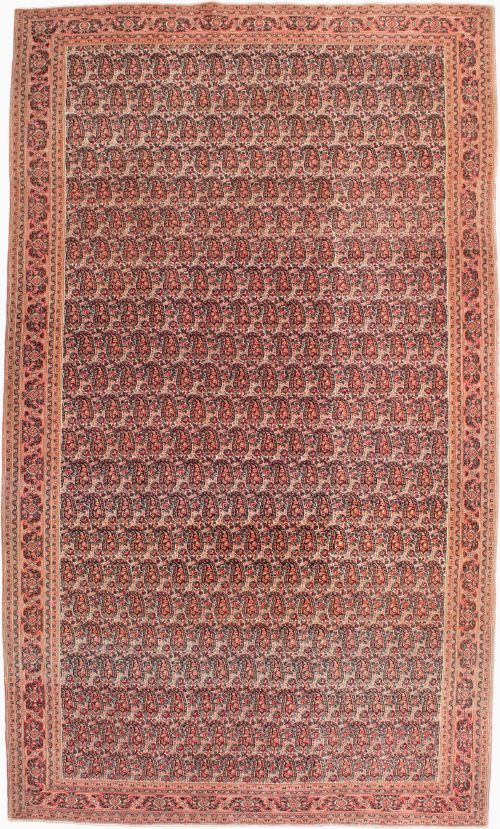
A pink wool persian rug embodies centuries of textile tradition, taking form as room-sized carpets, runners, hearth-sized mats, and flatweave sofres produced across western and southern Persia. The selection centres on hand-woven village and tribal pieces originating from centres such as Kirman, Hamadan, Sarouk, and Heriz, alongside nomad groups including the Afshar and Luri.
Makers shaped these floor coverings in dimensions ranging from small bedside rugs to grand carpets exceeding five metres, utilising natural dyes that yield soft rose and pink tones. The designs encompass medallion patterns, all-over floral motifs, and geometric tribal field arrangements passed down through generations of weavers.
How they were made
Weavers constructed these textiles using pure wool pile knotted onto cotton or wool foundations, employing hand-woven techniques characteristic of traditional Persian workshops and nomadic tents. Natural dyes provided the colour palette, absorbing into the wool fibres to create the varied pink and rose hues seen across the pieces.
The density of the knotting and the quality of the spin in the wool yarn determined the handle and resilience of each carpet, while flatweave techniques formed sturdy utility cloths like bread sofres.
Nomadic weavers frequently worked from memory outside standard templates, occasionally hiding asymmetric tribal symbols within floral Persian medallion layouts.
What varies in quality
Quality rests in the fineness of the knotting, the complexity of the design layout, and the depth achieved by natural dye mixtures. A superior piece displays precise symmetry in tribal motifs or balanced curves in floral medallions, showing skilled handling of the loom.
The integrity of the foundation threads and the even wear of the wool pile dictate how gracefully a rug ages under foot traffic. Variations in the saturation of the pink tones reflect the skill of the dyer and the purity of the materials gathered.
The Pink Wool Persian Rug Glossary
- Sofreh
- A flatweave cloth used for kneading bread or serving meals among nomadic groups. These textiles often feature striking tribal geometries.
- Pile
- The upright yarn loops forming the soft surface of a knotted rug. It provides texture and protects the structural foundation.
- Natural Dyes
- Colourants derived from plants, roots, and insects before the advent of synthetic aniline dyes. They produce harmonious, fading tones over time.
- Foundation
- The underlying warp and weft threads that support the knotted pile of a carpet. Cotton and wool serve as the primary structural materials.
- Flatweave
- A textile produced without a pile by interweaving warp and weft threads directly. This creates a thin, durable fabric used for covers and utility cloths.
Pink Wool Persian Rug: Frequently Asked Questions
How do I clean a wool rug?
Vacuum gently without a rotating brush bar to remove surface dust without pulling the wool pile. Professional specialist cleaning remains essential for addressing deep soil or spills.
Avoid soaking the foundation or using harsh chemical detergents, as these methods damage natural dyes and weaken cotton or wool warp threads.
Are these rugs suitable for high-traffic hallways?
Many sturdy village and tribal runners withstand regular foot traffic when paired with an appropriate underlay. Tightly knotted wool construction provides natural resilience against wear.
Lighter flatweave pieces or delicate room-sized carpets benefit from placement in lower-traffic settings to preserve their historic pile.
How can I date an antique Persian rug?
Dating relies on stylistic markers, wool characteristics, and the chemical composition of the dyes used in the piece. Subtle variations in colour saturation often point to natural dye batches from specific decades.
Structural evidence, such as selvage construction and foundation materials, helps narrow the period of origin alongside traditional regional motifs.
Do natural dyes fade in sunlight?
Organic colourants respond to direct, prolonged ultraviolet exposure by softening in tone rather than breaking down harshly. Rotating the rug periodically ensures even exposure across the surface.
Placing the textile away from unshaded south-facing windows preserves the original saturation of the pink wool.