


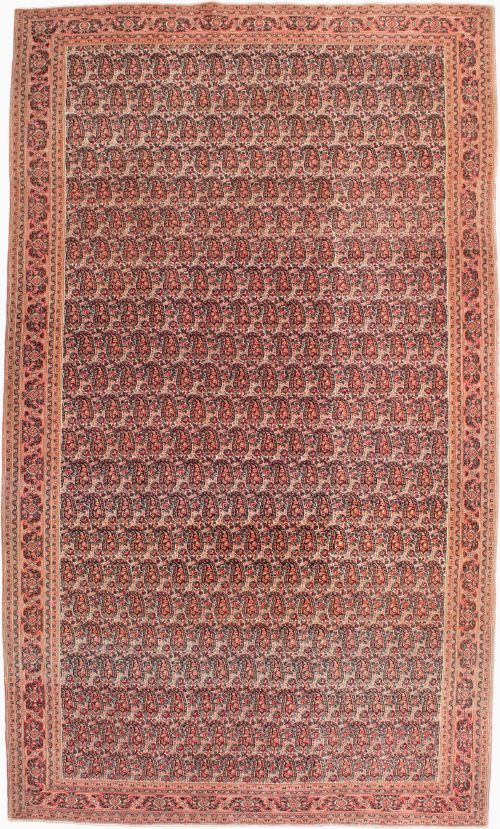


Pink Persian Rug
A pink persian rug brings traditional woven artistry and soft botanical tones into a room, offering durability alongside classic floral and tribal patterns.
Pink Persian Rug
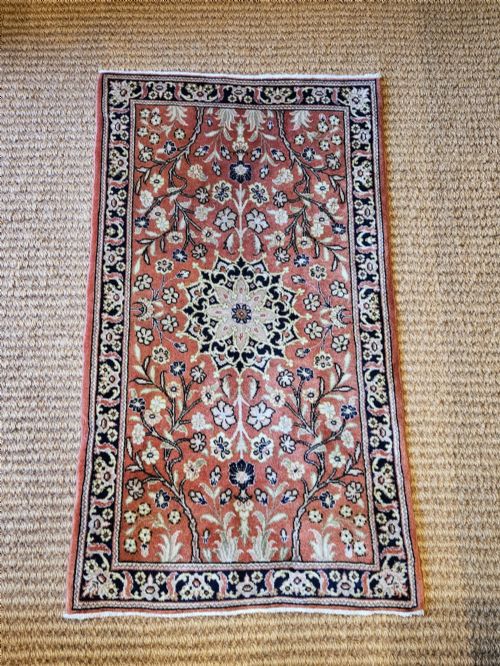
When someone searches for a pink persian rug, they encounter hand-woven floor coverings originating from various weaving centres across Persia and neighbouring regions. These pieces span the late nineteenth century and the early decades of the twentieth century, showcasing traditional village and workshop designs.
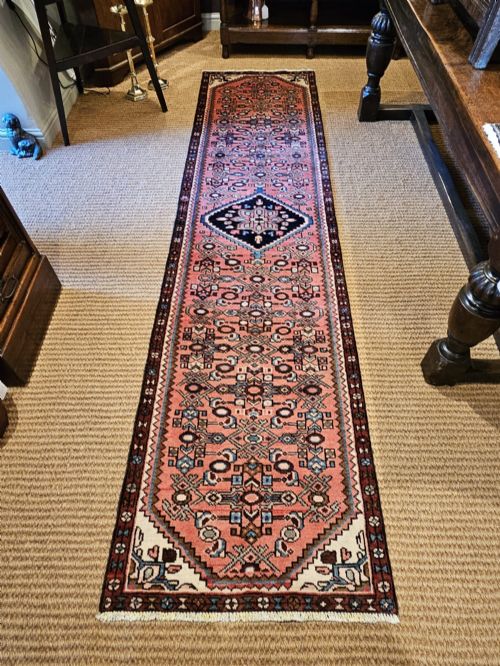
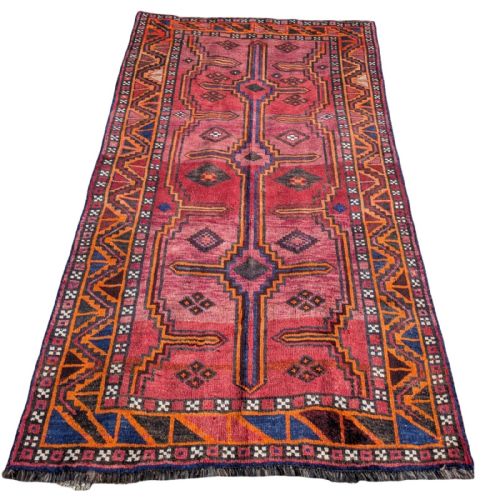
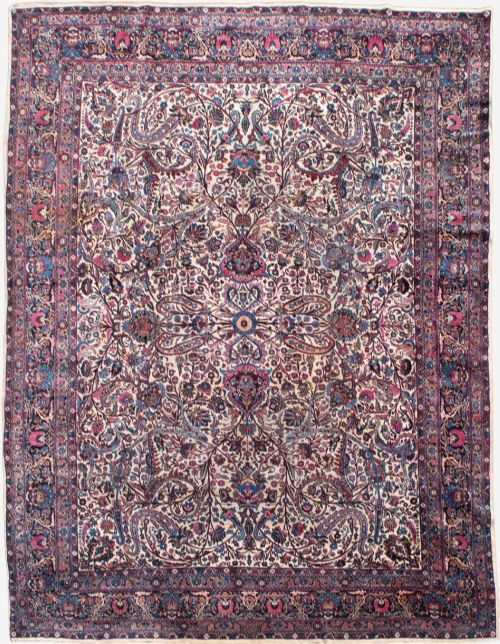
The selections available here include room-size carpets, hearth-sized formats, runners, and specialised utility pieces like bread sofrehs. Village examples such as Kurdish, Hamadan, and Malayer rugs sit alongside city pieces from Kirman, Kashan, and Sarouk.
Carpets from this category bring distinct historical character to interior spaces. They bridge domestic utility and textile art through time-honoured knots, dyes, and regional motifs.
Materials and Construction
These textiles rely principally on wool pile foundations paired with cotton warps and wefts, providing structural resilience for daily use. Weavers utilised natural dyes to achieve rich colour palettes, generating soft rose and pink tones alongside deeper contrasting hues.
The making process involves hand-weaving techniques executed either by nomadic and village weavers on upright looms or within established urban workshops. Flatweave rugs and pile carpets alike demonstrate meticulous knotting and weaving precision passed down through generations.
Listings feature wool and cotton materials across nineteenth and early twentieth century periods.
Distinctions in Quality
Quality in these textiles rests upon the fineness of the weave, the integrity of the wool, and the complexity of the design layout. City carpets from centres like Kirman or Kashan often display intricate floral precision, whereas tribal and village rugs exhibit expressive geometric and medallion compositions.
Condition also plays a central role, distinguishing pieces with intact borders and uniform pile from heavily distressed or restored examples. The depth and stability of the natural dyes further elevate the standing of a textile.
The Pink Persian Rug Glossary
- Sofreh
- A woven spread or cloth utilised by nomadic tribes for kneading dough and sharing meals. These utilitarian textiles often feature striking tribal iconography.
- Runner
- A long, narrow carpet format designed specifically for hallways, corridors, or alongside furniture. Such pieces accommodate elongated architectural spaces.
- Flatweave
- A rug constructed without a pile by interweaving warp and weft threads directly. These textiles offer a lower profile than traditional knotted carpets.
- Natural Dyes
- Colourants derived from plant, insect, and mineral sources rather than synthetic laboratories. These substances yield organic hues that age gracefully over decades.
- Millefleurs
- A decorative pattern densely filled with small flowers and blossoms. This style frequently appears in fine prayer rugs and classical carpets.
Pink Persian Rug: Frequently Asked Questions
How do I clean an antique rug?
Professional dusting and gentle washing by a specialist familiar with natural dyes and wool pile remain essential. Harsh chemical treatments and excessive water damage historic fibres.
Regular light vacuuming without a rotating beater bar helps maintain the surface between professional cleans.
Can I place these rugs in high traffic areas?
Many sturdy village and tribal weaves withstand moderate household transit due to dense wool construction. Placing a quality underlay beneath the textile prevents slipping and reduces fibre wear.
Delicate room-size carpets benefit from placement in lower-traffic settings to preserve their structural integrity.
How do I identify a village rug from a city rug?
Village and nomadic pieces typically feature geometric motifs, asymmetrical designs, and thicker wool yarns woven on smaller looms. City carpets display refined floral symmetry, curving medallions, and higher knot densities.
Regional characteristics often point toward specific origins like Hamadan or Kirman.
What causes the pink and rose tones?
Weavers achieved these botanical shades through traditional natural dye ingredients such as madder root combined with specific mordants. Over time, exposure to light softens these colours into gentle rose and salmon variations.
Original dye variations give each textile its distinct visual depth.