

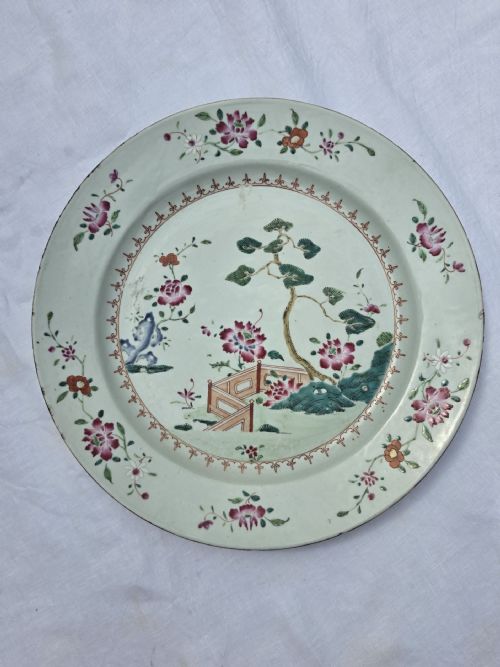


Pink Hand Painted Plates
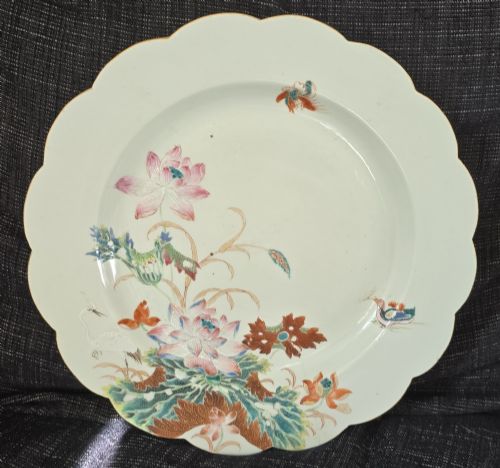
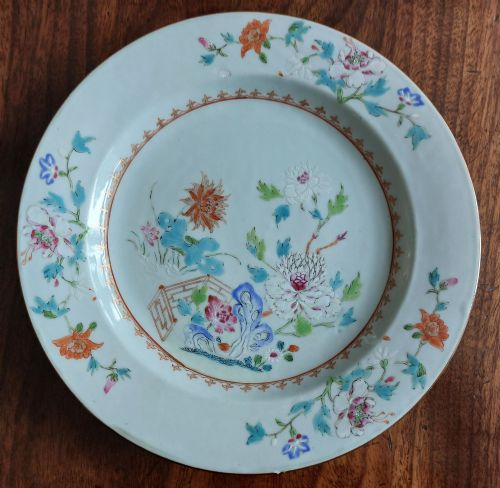
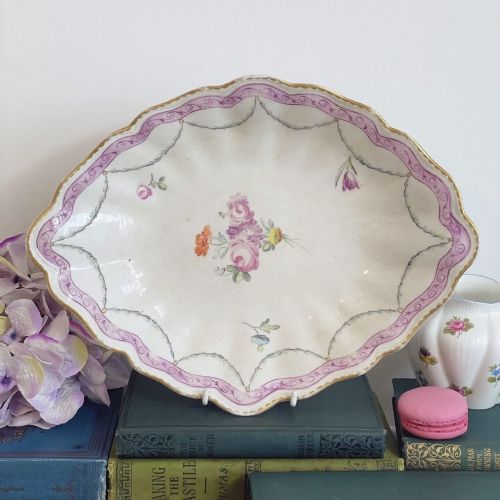
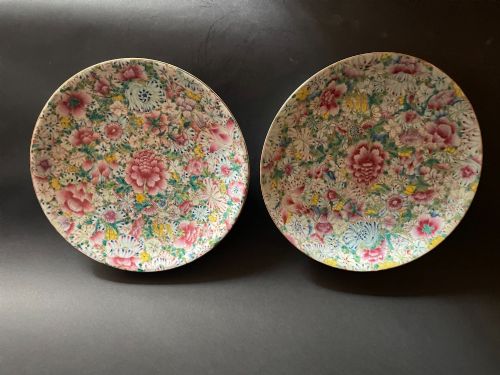
Pink hand painted plates bring vibrant enamel colour and intricate floral or figural brushwork to the table, offering a striking display of historic ceramic artistry.
Pink Hand Painted Plates
Pink hand painted plates encompass a diverse range of decorative tableware, serving dishes, and cabinet chargers spanning the eighteenth to the early twentieth century. When exploring this selection, buyers encounter various forms including traditional circular plates, scalloped dishes, trefoil trays, and large chargers.
The pieces originate from major European porcelain houses such as Derby, Worcester, Minton, and Vienna, alongside significant Asian export traditions including Chinese Canton, Famille Rose, and Japanese Kutani wares. Most examples combine delicate hand-brushed polychrome motifs with prominent pink enamel grounds or rose-tinted palettes.
Serving dishes and dessert plates dominate the selection, offering both functional utility and ornamental presence. Each piece reflects the specific decorative tastes of its period, shifting from Georgian floral arrangements to Victorian jewelled landscapes and Art Deco designs.
How they were made
Potters utilised hard-paste porcelain and standard ceramic bodies, shaping them into plates, chargers, and bowls before applying an initial glaze. Artisans then executed the hand-painted decoration using mineral enamels, often incorporating gold leaf, gilding, and enamel glaze to accentuate specific motifs.
Techniques varied from delicate polychrome brushwork depicting birds and floral scenes to complex tubelined designs and pearl jewelling. Kiln firing fixed the pigments into the glaze, producing durable surfaces that preserved the detailed artistry across centuries.
Pink Hand Painted Plates Retail Price Guide 2026
Typical asking prices for pink hand painted plates among the pieces listed under this phrase on Sellingantiques today, from the lower quarter to the upper quarter. They describe what is for sale here now, not the wider market.
Circus acrobats occasionally tumble across 18th-century tea bowls, proving that even fine porcelain masters appreciated a touch of physical comedy.
What varies in quality
The refinement of the hand-painted brushwork dictates the visual success of each piece, distinguishing hurried factory output from meticulous artisan execution. Finer examples display precise control in botanical details, facial expressions, and complex narrative scenes.
The quality of the porcelain body and the richness of the gilding or enamel glaze also define the tier of the piece. Superior items retain crisp relief, vibrant pink tones without fading, and intact gold leaf detailing across the rim and central motifs.
Charlotte Rhead Crown Ducal·Kornilov Brothers·Barr Flight and Barr·Royal Worcester
The Pink Hand Painted Plates Glossary
- Famille Rose
- A major palette of Chinese ceramic glazes introduced in the Qing dynasty, distinguished by its dominant opaque pink enamel. This colour scheme allowed artists to render delicate floral and figural compositions with subtle tonal gradations.
- Hard-paste porcelain
- A dense, vitrified ceramic material composed of kaolin and petuntse, fired at high temperatures. It provides a durable, bright white body that resists scratching and supports intricate overglaze enamelling.
- Gilding
- The application of gold leaf or powdered gold to ceramic surfaces for decorative enhancement. Artisans often applied it to rims and borders to frame the central hand-painted design.
- Charger
- A large ornamental plate used traditionally for service or displayed upright on a sideboard. These substantial pieces frequently feature the most ambitious hand-painted artwork in a maker's output.
- Enamel glaze
- A vitreous composition fused to the ceramic body during firing to provide a smooth, colourful coating. It serves as the stable base for subsequent overglaze hand painting.
Pink Hand Painted Plates: Frequently Asked Questions
How do I care for antique plates?
Wash these delicate porcelain pieces by hand using lukewarm water and mild detergent, avoiding abrasive sponges or modern dishwashers. Dry them immediately with a soft cloth to protect the historic enamel and gilding from moisture damage.
Display them securely on padded plate hangers or within enclosed cabinets to prevent accidental chipping. Keeping them away from direct, harsh sunlight preserves the vibrancy of the pink enamel pigments over time.
Were these plates used for dining?
Many of these items functioned as dessert plates, serving dishes, or tea wares within wealthy households during the Georgian and Victorian eras. Dessert courses in particular featured colourful painted porcelain to impress dinner guests.
Larger chargers and cabinet plates served primarily an ornamental role, displayed on walls or sideboards rather than subjected to daily dining use. Examining the wear on the central well often reveals whether a piece saw active service.
How do I identify Chinese export pieces?
Chinese export wares created for Western markets typically combine traditional Qianlong or Qing decorative styles with shapes requested by European buyers. Look for Famille Rose palettes featuring pink enamels alongside specific motifs like birds, floral arrangements, or Mandarin figures.
The porcelain body on these pieces often feels particularly dense, and the foot rings may show characteristic unglazed firing marks. Eighteenth-century examples generally display softer, hand-mixed enamel colours compared to later nineteenth-century production.
What distinguishes Victorian dessert plates?
Victorian dessert plates often showcase saturated pink ground colours paired with heavily gilt borders and raised jewelling effects. Factories like Minton utilised these rich decorative techniques to create opulent table services.
The artwork frequently shifts towards botanical studies, pastoral landscapes, or classical scenes executed with high precision. Maker marks and registration numbers stamped or painted on the reverse help confirm their nineteenth-century origin.