



Antique Porcelain Dinner Plates
Antique porcelain dinner plates are formal tableware pieces built for dining, offering centuries of hand-painted artistry and fine ceramic history for the collector's table.
Antique Porcelain Dinner Plates
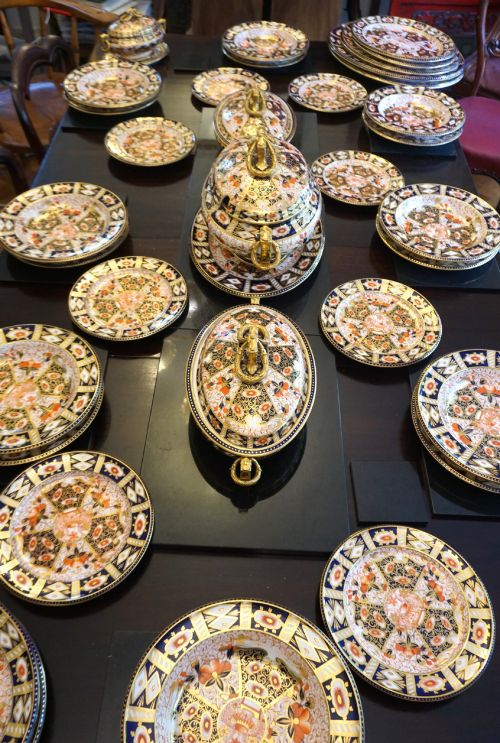
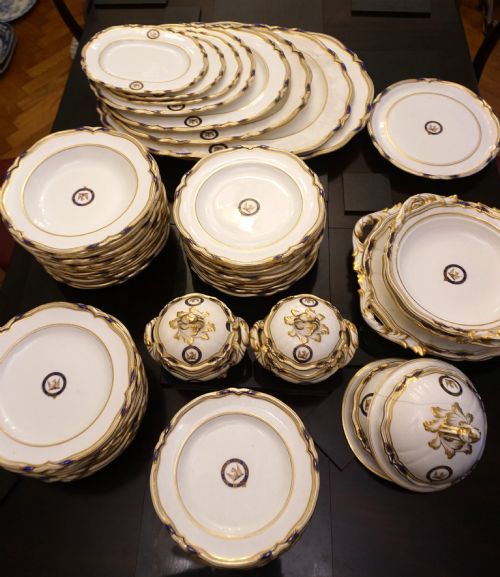
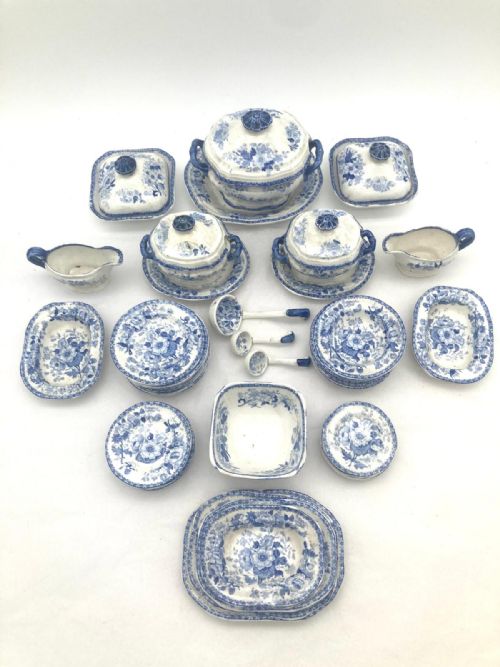
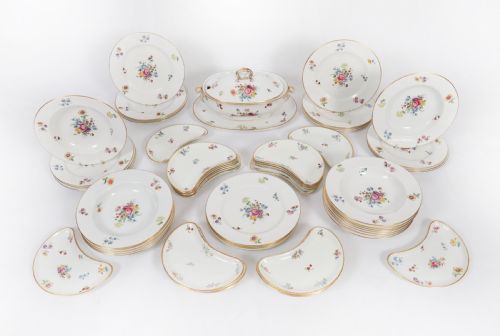
These pieces are formal tableware items designed for dining, encompassing individual antique porcelain dinner plates alongside complete dinner services and smaller child's sets. When exploring antique porcelain dinner plates, the selection ranges from single Georgian service plates to extensive Victorian sets used in grand dining rooms.
The offerings span multiple periods from the eighteenth century through the twentieth century, with nineteenth-century examples and Victorian services appearing frequently in the current listings. Buyers encounter both English manufactories and continental European kilns, reflecting diverse historic dining customs.
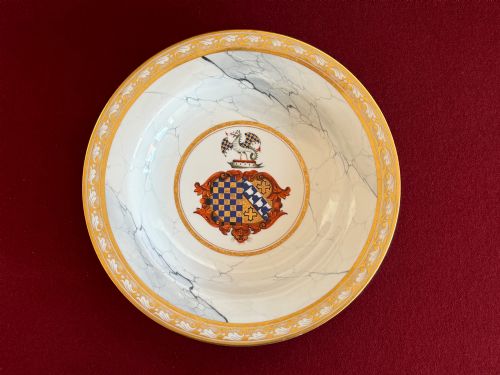
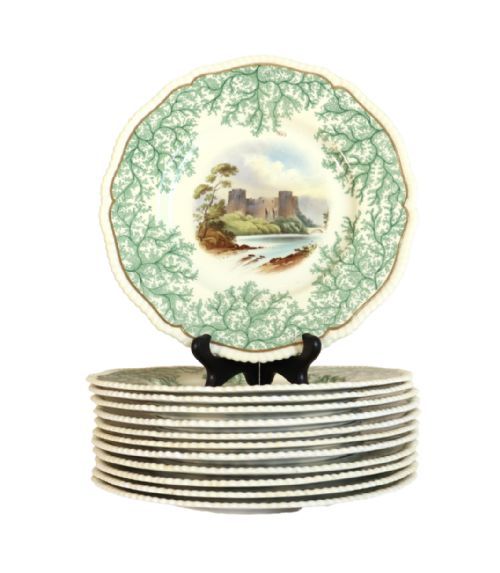
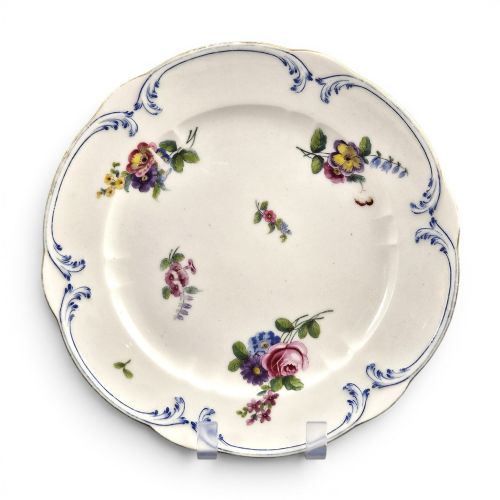
Formats vary from standard dinner plates to decorative plates, rope-edge plates, and Chinese export wares featuring armorial designs or floral motifs. Each item bears the stylistic hallmarks of its era, from Rococo curves to traditional English transfer printing.
What varies in quality
The standard of painting and hand-applied detail distinguishes finer services from utilitarian wares, with delicate brushwork on floral or armorial motifs commanding attention. The precision of the gilding and the clarity of the enamel colours indicate the skill involved in production.
Completeness and uniformity across a set dictate the desirability of larger dinner services, whilst the reputation of the manufactory, such as Sèvres, Spode, or Chelsea, influences the standing of the pieces within the historic record.
Antique Porcelain Dinner Plates Retail Price Guide 2026
Typical asking prices for porcelain dinner plates among the pieces listed under this phrase on Sellingantiques today, from the lower quarter to the upper quarter. They describe what is for sale here now, not the wider market.
Several miniature child's services survive in pristine order, proving that past generations taught fine dining etiquette to very small people.
Spode·Ambroise Michel·Minton·Wedgwood·Copeland·Coalport·Sevres·Chantilly·Doulton·Royal Worcester·Chelsea·Limoges
The Antique Porcelain Dinner Plates Glossary
- Soft-paste porcelain
- A ceramic composition fired at lower temperatures than hard-paste, common in eighteenth-century European factories like Chantilly and Sèvres. It has a warmer tone and a softer glaze.
- Transfer printing
- A mechanical method of applying complex patterns to ceramics from an engraved copper plate via tissue paper. This technique allowed factories like Spode to produce detailed designs efficiently.
- Armorial
- A term describing ceramics decorated with specific family coats of arms or crests. These custom-ordered plates were frequently exported from China to European nobility.
- Ironstone china
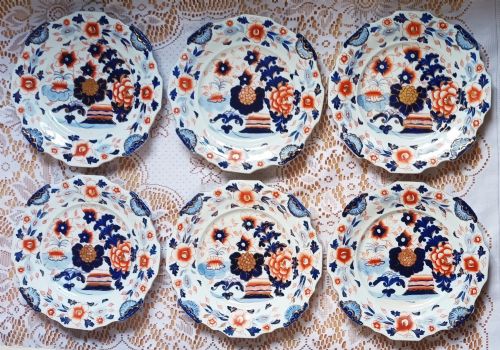
- A durable type of earthenware patented in the nineteenth century that mimics porcelain. It offers increased strength for everyday dining use while accepting colourful enamel patterns.
- Ozier border
- A moulded wicker or basket-weave pattern stamped into the rim of ceramic plates. This decorative edge was popular on eighteenth-century European porcelain.
Antique Porcelain Dinner Plates: Frequently Asked Questions
Can I use antique porcelain dinner plates for food?
Most collectors reserve these historic pieces for display or light occasional dining due to age-related wear on the glazes and delicate gold leaf.
Older soft-paste bodies and historic enamels can be sensitive to modern detergents and heavy cutlery use.
How do I clean antique dinner plates safely?
Wash them by hand in warm water using a mild soap, avoiding dishwashers entirely to protect fragile hand-painted enamels and gilt borders.
Dry them immediately with a soft cloth to prevent water spotting on the ceramic glaze.
What is the difference between porcelain and ironstone?
True porcelain is vitrified, translucent, and fired at high temperatures, whereas ironstone is a sturdy, opaque earthenware developed for durability.
Ironstone plates generally feel heavier in the hand and show less translucency when held to the light than fine porcelain wares.
How do I date an unmarked antique plate?
Examine the style of the decoration, the manufacturing body, and any rim moulding or shape characteristics to narrow down the period.
Matching the pattern style to known factory archives from the eighteenth or nineteenth century often provides a reliable timeframe.