


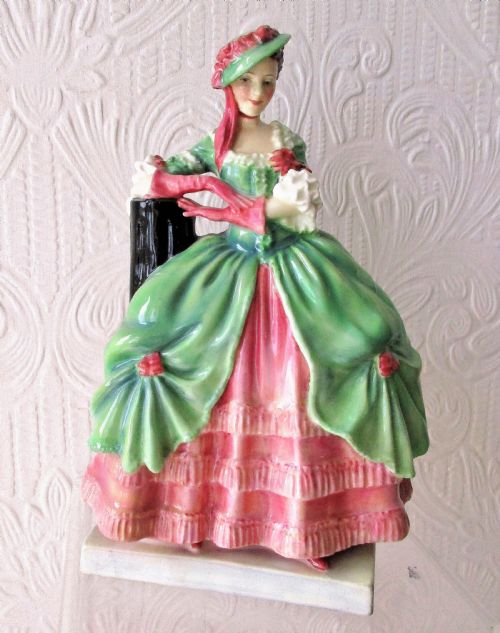


Green and Pink Porcelain
Green and pink porcelain pieces combine vibrant palettes across centuries of international production, offering collectors striking decorative objects for the home.
Green and Pink Porcelain
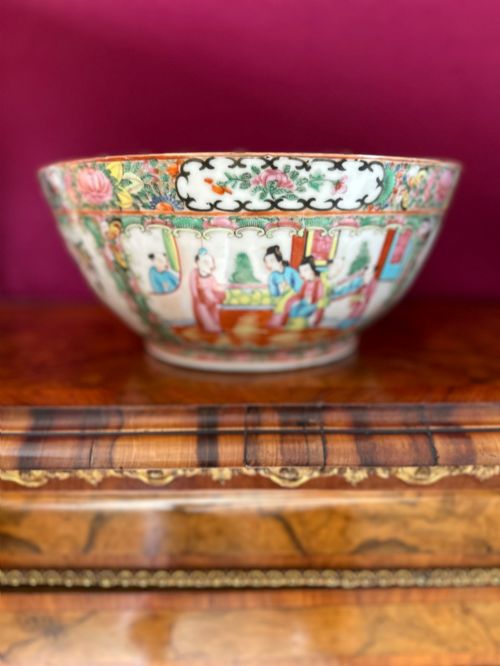
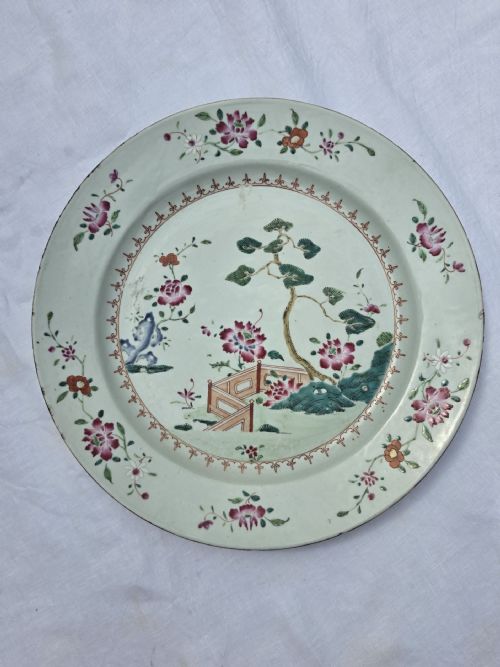
Green and pink porcelain encompasses items where these two dominant hues shape the visual character of the glaze or enamel work. Buyers encounter this palette most frequently on 19th-century Chinese Canton wares, particularly Rose Medallion and Famille Rose plates, bowls, and large baluster vases.
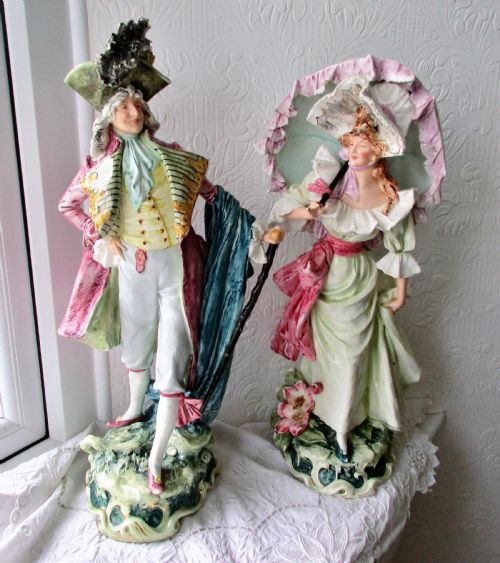
The selection also spans 18th-century Georgian and Qianlong dynasty chargers, alongside continental European figures from Worcester, Royal Vienna, and Royal Dux. Forms range from utilitarian punch bowls and pedestal dishes to decorative figurines, lamps, and wall plates.
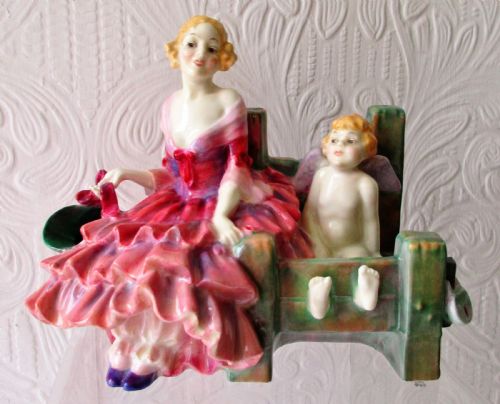
Twentieth-century examples introduce distinct styling shifts through Art Deco ceramics and figurines produced by makers such as Royal Doulton and Fasold and Stuach. These pieces demonstrate how the pairing of green and pink adapted from traditional export wares into modern domestic ornaments.
Materials and production methods
Makers achieved the characteristic coloration through mineral-based enamels applied over fired porcelain, bone china, or earthenware bodies. Gold leaf frequently accents the painted motifs, adding metallic highlights to the detailed surface patterns.
Hand-painting defines the decoration across these pieces, utilising precise brushwork for floral panels, figures, and borders. Glazes seal the pigments during subsequent kiln firings, preserving the vibrancy of the green and pink tones over generations.
Green and Pink Porcelain Retail Price Guide 2026
Typical asking prices for green and pink porcelain among the pieces listed under this phrase on Sellingantiques today, from the lower quarter to the upper quarter. They describe what is for sale here now, not the wider market.
Several Victorian continental pieces feature cheerful cherubs peering out from inside decorative porcelain vases.
Assessing quality in the palette
Quality rests on the precision of the hand-painted details and the depth of the enamel work across the surface. Finer pieces display crisp outlines in the figural and floral reserves without blurring or bleeding of the green and pink pigments.
The crispness of the porcelain body and the controlled application of gilding distinguish superior examples from standard commercial output. Heavier, more finely potted items with balanced composition command greater attention from collectors.
Royal Doulton·Fasold & Stuach·Royal Vienna·Royal Dux
The Green and Pink Porcelain Glossary
- Famille Rose
- A palette of opaque rose-pink enamel introduced in Chinese ceramics during the Qing dynasty. It allowed for subtle shading and tonal gradation across floral and figural motifs.
- Rose Medallion
- A specific style of 19th-century Chinese export porcelain featuring alternating panels of birds, butterflies, and figures enclosed by green and pink floral borders.
- Canton
- A major trading port in China associated with porcelain decoration and export. Wares finished here often display dense polychrome enamel painting.
- Faience
- Tin-glazed earthenware produced in various European centres. It offers an opaque white ground suitable for colourful enamel decoration.
- Charger
- A large decorative plate intended primarily for display rather than dining. These pieces often serve as the focal point of a collection due to their expansive painted surfaces.
Green and Pink Porcelain: Frequently Asked Questions
What is Famille Rose porcelain?
Famille Rose refers to Chinese porcelain decorated with a predominant pink enamel derived from colloidal gold. This palette emerged during the 18th century and allowed artisans to achieve delicate tonal variations.
Items decorated in this style frequently incorporate contrasting green foliage and gold leaf accents. The technique remained popular through the 19th century on export wares destined for European markets.
How do I date Chinese Canton porcelain?
Dating Canton porcelain relies on examining the intensity of the colours, the style of the panel borders, and the weight of the ceramic body. 19th-century examples often feature dense Rose Medallion or Rose Mandarin patterns with vibrant pinks and greens.
Earlier pieces from the 18th century display more restrained brushwork and thinner potting. Markings, where present, can also indicate specific dynastic periods such as the Qianlong reign.
Where were Royal Dux figures made?
Royal Dux figures originated from a porcelain and ceramic factory in Bohemia, now part of the Czech Republic. The enterprise gained renown during the late 19th and early 20th centuries for its distinctive Art Nouveau styling.
These pieces often combine naturalistic human or animal forms with shell motifs and pastel colourways. Early examples typically feature applied pink triangle marks on their bases.
How should I display large porcelain vases?
Large porcelain vases and baluster jars require stable, level surfaces away from high-traffic areas to prevent accidental impact. Placing them on sturdy pedestals or low tables allows their height and surface detail to be viewed clearly.
Some 19th-century Canton vases have been converted into lamps, combining decorative export porcelain with functional interior lighting. When positioning these items, ensure wiring does not strain the antique body.